Early Canada Goose Season Tactics
Stepping out for early Canada goose season in South Dakota presents a unique set of challenges and opportunities. Unlike the blustery, freezing hunts of late fall, September often greets us with warm sunshine, different bird behaviors, and fields that aren't yet buried in snow. This guide will walk you through the specifics of effectively targeting resident Canada geese before the big migrations flood the flyway, helping you adapt your strategies for success in those often-balmy early days.
Understanding Early Season Goose Behavior
Early Canada goose season in South Dakota is primarily about targeting resident birds, the ones that hatched here and haven't felt the urge to migrate south just yet. These aren't the same wary, weather-beaten geese that have dodged hunters for thousands of miles. They often behave differently, and understanding these nuances is crucial for putting birds in the bag.
Resident Bird Patterns and Preferences
These local geese typically operate on a much smaller scale than their migratory cousins. They're established in their home territories, meaning they have preferred roosting water bodies – whether that's a larger lake like Lake Oahe, a smaller prairie pothole, or even a stock dam – and a consistent flight path to their favored feeding fields. You won't see the massive, multi-county movements you'd expect during the peak of migration. Instead, expect shorter, more predictable flights between roost and feed.
Their diet preferences in early season might also differ. While late-season geese are often hammering cut corn, early birds can be found in a wider variety of fields. They'll definitely be in cut small grain fields like wheat or barley, but don't overlook areas like alfalfa, clover, or even green pasture fields, especially if there's been some rain to sprout new growth. This wider menu means you need to broaden your scouting horizons. Remember, these birds aren't facing the same nutritional pressures as migrating geese; they're simply topping off the tank on familiar grounds. This predictability is both a blessing and a curse. It means if you find their pattern, it's often consistent, but it also means there are fewer birds to chase compared to the mid-season influx.
Less Pressure, More Predictability
One of the significant advantages of the early season is the relative lack of hunting pressure. Many hunters are focused on preparing for deer season or waiting for the "real" goose migration to begin. This means the resident flocks haven't been shot at day in and day out. They might be a bit more forgiving to less-than-perfect spreads or calling, and they're less likely to divert from their established flight lines at the first sign of trouble. This calmer environment can make for incredibly rewarding hunts, especially if you prioritize observation and adaptation. You're dealing with more localized intelligence rather than trying to interpret continent-wide weather patterns influencing migration. It's a game of finding their daily routine, not guessing the daily migration. This local knowledge is invaluable.
Scouting and Location Strategy for September Geese
Successful early season goose hunting hinges almost entirely on meticulous scouting. You can have the best decoys and call like a champion, but if you're not where the geese want to be, it's all for naught. September scouting is a different beast than glassing for late-season birds, demanding attention to detail and a keen eye for subtle clues.
Identifying Roosting and Feeding Areas
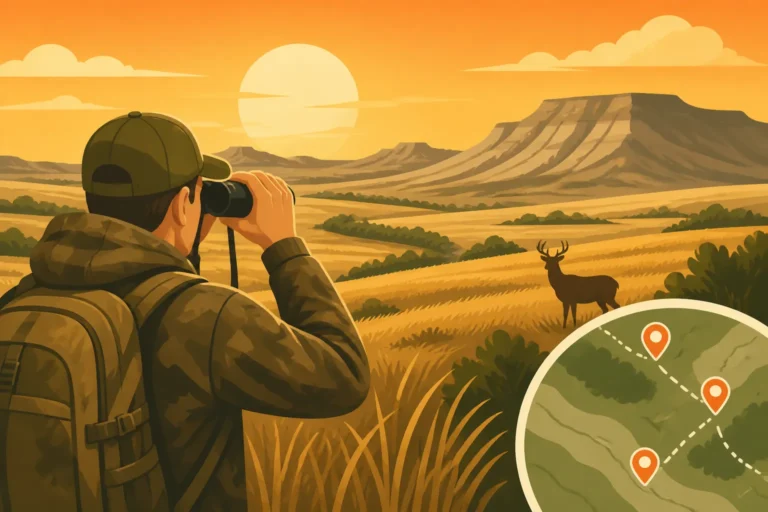
The first step in your early season strategy is to pinpoint where the geese are spending their nights and their days. Start by locating potential roosting water. This could be anything from a large reservoir, a smaller river segment, or even a collection of South Dakota Waterfowl Production Areas if you're targeting public ground. Observe these areas at dawn and dusk. Watch for geese lifting off water in the morning and returning in the evening. Their flight lines will give you the direction to their feeding fields.
Once you have a general flight direction, focus on fields within a few miles of the roost. Drive the gravel roads, and use your binoculars to scan cut fields for feeding geese. Look for the white-and-black contrast of feeding birds against the stubble. Pay close attention to the specific field they're in, and, if possible, where in that field they prefer to land. Are they in the middle, or hugging a fence line or a small depression? Are they in a Field Hunting Geese in South Dakota Cut Corn field, or perhaps a freshly mowed alfalfa patch? Note the time they arrive and depart. This level of detail is paramount. You're not just looking for geese, you're looking for their specific routine. Tools like GoHunt can be incredibly useful here, allowing you to quickly identify land ownership and boundaries, so you know whether you're looking at public access or private land that requires permission.
Utilizing Public and Private Access
South Dakota offers an abundance of hunting opportunities, but knowing how to access them legally is critical. For early season geese, Scouting South Dakota Public Ground Before the Season is a non-negotiable step. The state's Walk-In Area (WIA) program, Game Production Areas (GPAs), and federal lands like Waterfowl Production Areas can be goldmines for resident geese. These areas are mapped and updated regularly, and many can be found on the South Dakota Game, Fish and Parks website or through mapping apps like GoHunt.
When scouting, pay attention to current crop rotations. What was corn last year might be soybeans this year, changing goose preference. If you're hoping to hunt private land, start knocking on doors well in advance. Explain your intentions, be respectful, and offer to clean up any spent shells. Many landowners are more amenable to granting access for geese, especially if they're eating crops, than they might be for deer. Remember, securing permission often comes down to showing respect and building rapport. Always have your South Dakota Nonresident Hunting Licence Cost or resident license, along with your habitat stamp and federal duck stamp, ready to go. A crucial aspect of early season scouting is also noting any potential changes to the landscape, such as new construction, recent tilling, or standing water that might alter a goose's preferred flight path.
Decoying and Calling for Early Season Success
When those September mornings roll around, the way you set up your spread and call to early season Canada geese will directly impact your success. These birds haven't been educated by months of hunting pressure, but they're still wild animals, and a sloppy setup will send them packing.
Smaller, Realistic Spreads
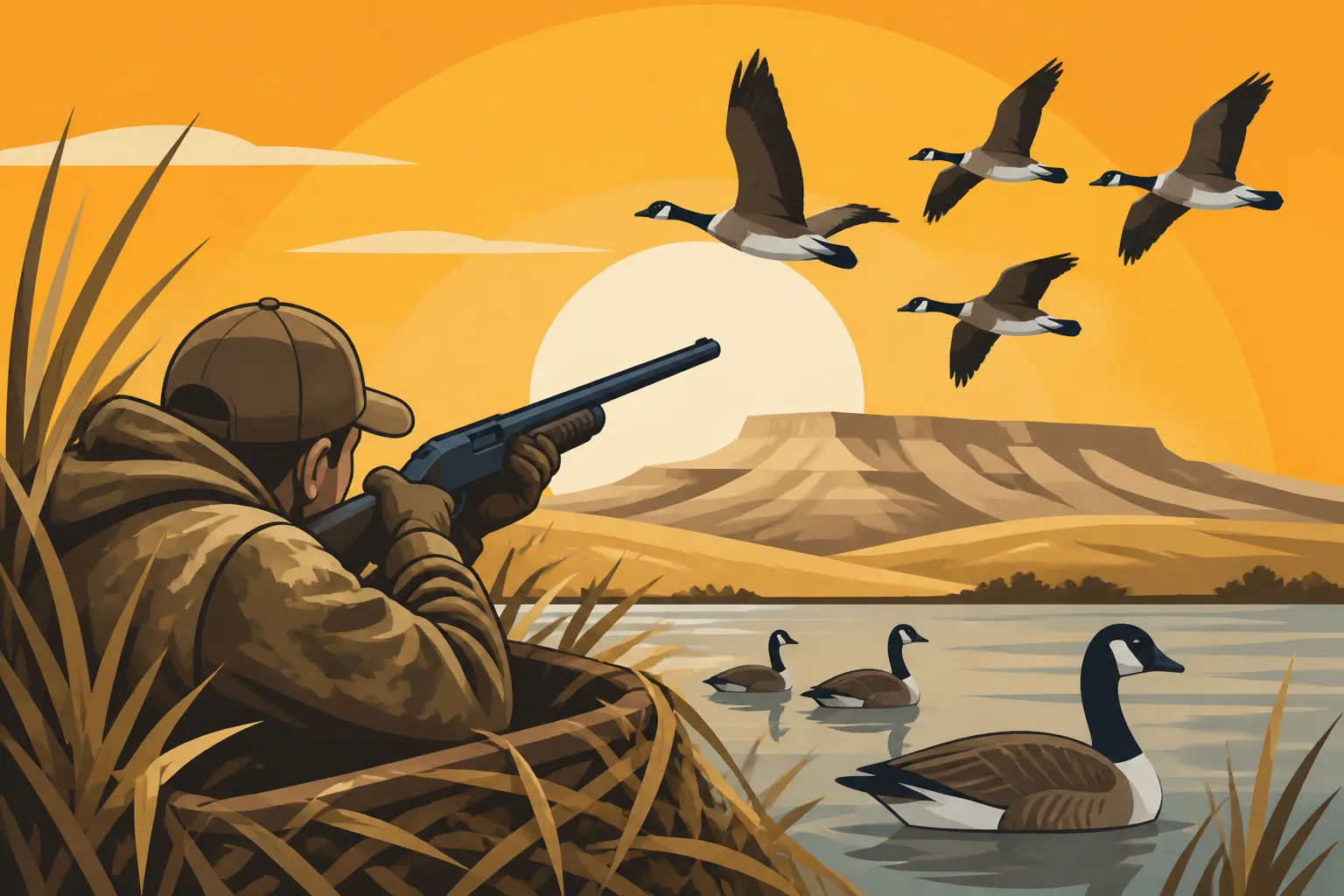
Forget the massive 300-plus decoy spreads you might use for snow geese in the spring. Early season Canada geese often travel in smaller family groups or small flocks, so a smaller, more realistic spread is often far more effective. A spread of 1 to 3 dozen quality full-body or shell decoys can be plenty. The key is realism and proper setup. Focus on creating a natural-looking landing zone for these less pressured birds. Think about how geese land – they don't typically dive bomb into the middle of a dense flock. They swing wide, cup their wings, and set down on the fringes or into a clear landing strip.
Place your decoys in family groups of 3 to 5, leaving plenty of open space in the middle for landing. Position your blinds downwind or crosswind of this landing zone, so geese are flying directly into or across your face. Don't be afraid to add a few feeder decoys, heads down, mimicking relaxed birds. Motion decoys, like a few fliers or a small jerk rig, can add life to your spread, but don't overdo it. The goal is to appear as a calm, confident group of feeding birds. Overly aggressive or cluttered spreads can look unnatural to these less wary early season geese. Considering the potential for warmer weather, dark full-body decoys can absorb a lot of heat, so ensure they are placed in a way that minimizes sun glare, especially if using older, shinier models.
Subtle Calling and Concealment
Less is often more when it comes to early season calling. These resident geese aren't as call-shy as later season birds, but they also don't need a symphony of desperate honks to bring them in. Start with subtle clucks, murmurs, and quiet honks. Mimic the contented sounds of feeding birds on the ground. As birds approach, you can increase the volume slightly, but never sound frantic or aggressive. A simple "cluck-honk-cluck" sequence can be incredibly effective. Pay attention to how the birds react; if they flare, back off the calling. If they seem interested, continue your soft, reassuring calls.
Concealment is paramount, especially in bright September sunshine. Layout Blinds on South Dakota Stubble are excellent, but ensure they are brushed in meticulously with natural vegetation from the field you're hunting. Corn stalks, wheat stubble, or even clumps of grass can make all the difference. If hunting a field with minimal cover, consider using natural depressions, fence lines, or even a larger piece of farm equipment if you have permission to set up near it. The goal is to disappear into the landscape. Even a few exposed faces or a patch of bright clothing can cause a flock to flare. Remember, these birds aren't used to seeing hunters in every field, so any anomaly will stand out. This is where attention to detail in your blind setup truly shines. Consider a lightweight mesh cover over your face to break up your outline, even when lying perfectly still.
Gear and Setup Considerations for Warmer Weather
Early Canada goose season often brings with it the unpredictable weather of a South Dakota September. While you might dream of crisp, cool mornings, the reality is often quite different. Being prepared for warmer temperatures while still needing effective gear is essential for comfort and success.
Dressing for Comfort and Concealment
Layering is always a good idea in South Dakota, even in September. While dawn might be cool, by mid-morning, temperatures can climb rapidly, especially in the direct sun of a stubble field. Start with a moisture-wicking base layer, then add a light long-sleeved shirt and a vest or light jacket. All outer layers should be in camouflage patterns appropriate for your chosen hunting environment – often darker browns and tans for cut fields, or green if you're hunting near water with more vegetation. Avoid heavy, insulated clothing that will make you sweat. Sweating can lead to discomfort, and if a sudden cool front rolls in, hypothermia can become a risk.
Consider wearing a wide-brimmed hat or a baseball cap with a dark underside to reduce glare and keep the sun out of your eyes. Lightweight gloves in a camo pattern can also help with concealment and provide a bit of warmth if the morning is chilly. Good quality, waterproof boots are always a wise choice, even if you're not planning to wade. Fields can be damp with dew, and you might encounter muddy spots around potholes. Having comfortable footwear that can handle miles of walking is a must, especially when working those South Dakota Walk-In Areas for resident birds. Don't forget bug spray; early season can still mean plenty of mosquitoes, especially near water.
Essential Field Gear and Safety
Beyond your clothing, a few key pieces of gear will make your early season goose hunt smoother. A reliable shotgun, typically a 12-gauge, is standard, paired with effective shotshells. Steel shot is mandatory for waterfowl hunting, and for Canada geese, you'll generally want larger shot sizes like BB or #2. Make sure you practice with your chosen load before the season opens so you know your effective range. A good decoy bag or sled is invaluable for transporting your spread to and from the field, minimizing multiple trips and saving your energy.
Hydration is often overlooked in warmer weather. Bring plenty of water to stay hydrated throughout the hunt. A small backpack with snacks, extra shells, a first-aid kit, and maybe a small pair of binoculars for spotting distant flocks will serve you well. Don't forget your hunting license, federal duck stamp, and South Dakota Habitat Stamp Requirements. Safety is paramount. Always practice safe gun handling, especially when hunting with others. Clearly communicate your shooting zones and maintain muzzle awareness. Remember, even though it’s early season, the basic principles of Safe Gun Handling on a Bird Drive still apply, even if you're in a smaller group. A GPS or a mapping app like GoHunt on your phone can be a lifesaver for navigating unfamiliar fields or ensuring you stay on public land.
| Feature | Early Canada Goose Season (September) | Late Canada Goose Season (November-January) |
|---|---|---|
| Bird Type | Primarily Resident Geese | Migratory and Resident Geese |
| Flock Size | Smaller family groups, local flocks | Larger, often massive migratory flocks |
| Behavior | Less call-shy, predictable patterns | Very wary, educated by pressure |
| Preferred Fields | Cut small grain, alfalfa, pastures, cut corn | Heavily prefers cut corn |
| Calling Style | Subtle, contented clucks and murmurs | More aggressive, louder, complex sequences |
| Decoy Spread | 1-3 dozen realistic decoys | Larger spreads (3-6 dozen+) often effective |
| Weather | Warm, mild, potential for bugs | Cold, freezing, snow, wind |
| Clothing | Lightweight, moisture-wicking layers | Heavy, insulated, windproof layers |
| Hunting Pressure | Generally lower | Can be very high |
Legalities and Regulations for Early Goose Hunting
Hunting in South Dakota means adhering to specific rules and regulations, and early Canada goose season has its own unique parameters. Staying informed is not just about compliance; it's about being a responsible hunter and ensuring the future of our sport.
Season Dates and Bag Limits
The South Dakota Early Canada Goose Season Dates are typically designed to target resident populations before the larger migratory birds arrive. These dates can vary slightly year to year, so always consult the most current South Dakota Game, Fish and Parks (GFP) hunting handbook before heading afield. Generally, the early season begins in early September and runs for a few weeks. The bag limits are often more generous during this period than in the regular season, reflecting the management strategy for resident geese. For instance, you might find a daily bag limit of 15 Canada geese during the early season.
It's crucial to understand the exact start and end times for hunting each day, which are usually from one-half hour before sunrise to sunset. These details are clearly outlined in the GFP regulations. Also, be aware of any specific zones or areas that might have different rules. South Dakota is generally divided into East River and West River zones, and sometimes regulations, especially for other waterfowl, can differ between them, though early goose season tends to be more statewide. Always have a copy of the regulations with you, either physically or digitally on your phone, to avoid any misunderstandings.
Licensing and Permits
Before you even step foot in a field, ensure all your licensing is in order. For Canada geese in South Dakota, you'll need a valid South Dakota Nonresident Small Game Licence Price (or resident small game license), a South Dakota Habitat Stamp, and a Federal Migratory Bird Hunting and Conservation Stamp (often called a Federal Duck Stamp). If you're under 16, you might also need to meet South Dakota Hunter Safety Requirements or hunt under an apprentice license.
All waterfowl hunters, regardless of age, must also register for the Harvest Information Program (HIP). This is a federal requirement that helps wildlife agencies gather data on migratory bird harvests. It's a quick, free registration that you complete when purchasing your state license. Forgetting any of these stamps or registrations can result in hefty fines and potential loss of hunting privileges, so double-check your wallet and your online records before you leave for the field. Making sure you're fully compliant with all state and federal regulations is a simple step that shows respect for the resource and ensures your hunt is legal and enjoyable.
Disclaimer
Please note that hunting regulations, seasons, and licensing requirements in South Dakota are subject to change. Always consult the most current South Dakota Game, Fish and Parks (GFP) hunting handbook and official regulations before planning and embarking on any hunt. This guide is for informational purposes only and should not be considered legal advice or a substitute for official government publications.