Which Coulees Hold Bucks in Dry Years
Hunting mule deer in South Dakota's West River country can be a real challenge, and it only gets tougher when drought conditions settle in. Those familiar coulees and draws you've come to rely on for cover and deer sign might look completely different, leaving you wondering where on earth the bucks have gone. This guide will dive deep into understanding mule deer behavior during dry years and help you pinpoint exactly which coulees are most likely to hold those elusive bucks, even when the prairie feels like a desert.
Understanding Mule Deer Behavior in Arid Conditions
When the South Dakota prairie bakes under a relentless summer sun and fall brings little relief, it's not just the vegetation that changes; the entire ecosystem shifts, and with it, the behavior of our beloved mule deer. Hunters often get frustrated because their usual spots are devoid of game, but it's not that the deer have vanished, they've simply adapted to the harsh reality of water scarcity and diminished forage.
The Impact of Water Scarcity on Movement
In years of abundant rainfall, mule deer, especially bucks, can be found scattered across wide swathes of the prairie. They'll use various coulees, shelterbelts, and even open draws for bedding and feeding, confident that water is usually within a reasonable distance. However, when the landscape dries up, water becomes the absolute driving force behind their daily movements. Imagine having to walk miles every day just for a drink; that's the reality for these animals. Bucks, with their larger body mass and higher metabolic rate, often need more water than does, making them even more sensitive to its availability.
This shift means that coulees, which in wetter years might simply be travel corridors or bedding areas, become critical if they offer any residual moisture or are situated close to reliable water sources.Ephemeral water sources like rain puddles or temporary seeps quickly disappear, forcing deer to concentrate around more permanent springs, stock dams, or even human-made water points. Hunters who fail to adjust their focus to these water-centric locations will find themselves walking empty ground, a common and disheartening experience in dry conditions.
Forage and Thermal Cover Changes
Beyond water, dry years dramatically alter the available forage and thermal cover. Lush, green grasses and forbs that usually fill the bottoms of coulees become brittle, brown, and less nutritious. Deer are forced to seek out areas where some green-up persists, or where browse like sagebrush and certain shrubs can still offer sustenance. These plants often hold moisture themselves, providing a dual benefit.
Thermal cover is another huge consideration. In a hot, dry environment, bucks need shade and areas where they can escape the sun and wind, conserving energy and moisture. Coulees with dense, north-facing slopes, stands of trees (even small ones like junipers or cottonwoods), or thick brush become invaluable. This is especially true during midday, when bucks will seek out the coolest, shadiest pockets they can find, often lying up against a steep bank that blocks the sun. Without these critical elements, a coulee might be completely overlooked by deer, no matter how good it looks on a map.
Identifying Productive Dry-Year Coulees
So, with the understanding that water and specific types of cover are paramount, how do you actually identify which coulees are going to be worth your time? It requires a keen eye, a good map, and a willingness to dig deeper than just surface appearances.
Proximity to Reliable Water Sources
This is, hands down, the most crucial factor. In a dry year, a coulee's value skyrockets if it's within a reasonable travel distance of a dependable water source. We're talking about anything from a natural spring that never seems to dry up, to a well-maintained stock pond, or even a dug-out that holds water longer than others. Mule deer will establish travel routes between these water points and their bedding areas, and often, those routes run directly through the coulees offering the best cover.
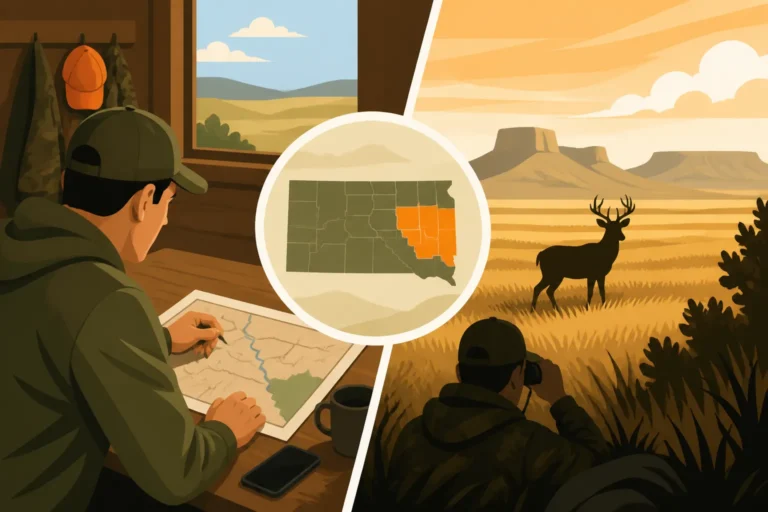
When you're scouting, either digitally using tools like GoHunt or on the ground, focus on mapping out all potential water sources in your hunting unit. Then, look for coulees that branch off or lead into these water points. A prime coulee will often have multiple game trails leading to and from it, all converging on water. Don't be fooled by small, isolated puddles from a recent shower; deer need consistent water, and they know which sources are dependable. If you're looking for more details on this, our article on Finding Water in Dry West River Country might be particularly helpful.
Vegetation that Retains Moisture and Offers Shade
Not all vegetation is created equal in a drought. While many grasses wither, certain plants have deeper root systems or are naturally more drought-resistant, retaining precious moisture longer. Look for coulees with:
- Sagebrush: This hearty plant offers both browse and decent cover.
- Juniper or Cedar Stands: Even small patches provide dense thermal cover and can hold moisture.
- Thicker Brush Species: Certain shrubs found along drainage bottoms can stay greener longer.
- North-Facing Slopes: These areas receive less direct sunlight and often hold more moisture and lusher vegetation, providing cooler bedding spots.
A coulee might be wide and deep, but if its floor and slopes are nothing but dried-up cheatgrass, it's unlikely to hold bucks. Conversely, a narrower, less imposing coulee that boasts a thick patch of junipers on its north side, or a healthy stand of sage, becomes an instant hotspot. Bucks will bed down in these areas during the day, taking advantage of the shade and slightly cooler temperatures. This is where attention to detail on aerial imagery, combined with on-the-ground observation, really pays off.
Topographical Features Providing Seclusion and Security
Beyond water and vegetation, the physical structure of the coulee itself plays a huge role in a buck's decision-making in dry years. Deer become much warier and seek out areas offering maximum security, as their options for quick escapes or hiding in dense cover are reduced.
Look for coulees with:
- Deep, Steep-Sided Cuts: These offer excellent visual obstruction from the prairie above, making deer feel secure. They can also create microclimates that are slightly cooler and less windy.
- Complex Branching Systems: A coulee that has multiple fingers, draws, and small side cuts offers numerous escape routes and places for deer to disappear quickly if disturbed. This complexity increases their sense of security.
- "Hidden" Pockets or Benches: Sometimes, a coulee will have a small, secluded bench or a bend that creates a natural pocket. These are prime bedding locations, especially for mature bucks who value solitude.
- Elevated Bedding Spots within the Coulee: Bucks often prefer to bed on a slight rise or lip within the coulee, giving them a view of both the bottom and parts of the rim, allowing them to detect threats early.
Understanding Reading Prairie Coulees for Mule Deer in general is crucial, but knowing these specific nuances for dry years will refine your scouting efforts dramatically.
Scouting and Strategy for Dry-Year Coulees
Finding these hidden gems isn't just luck; it's a methodical process that combines digital tools with diligent fieldwork. Your approach needs to be more focused and efficient, as valuable deer sign will be concentrated in fewer, more specific areas.
E-Scouting and Topographical Analysis
Before you even step foot on the prairie, dedicate significant time to e-scouting. Tools like GoHunt or other mapping applications with detailed satellite imagery and topographical layers are your best friends. Start by outlining your target hunting areas and then systematically zoom in on every coulee.
What to look for during e-scouting:
- Water Sources: Identify all ponds, dams, springs, and even green spots that might indicate a seep. Cross-reference with historical rainfall data or local knowledge if possible.
- Vegetation Pockets: Look for darker green areas, or patches that clearly show different vegetation types (e.g., junipers, denser brush) compared to the surrounding parched prairie. North-facing slopes often stand out.
- Complex Terrain: Zoom in on contour lines. Steep, intricate contour lines suggest deep, broken country with plenty of hiding spots. Identify potential benches or hidden pockets.
- Access Points and Pressure: Consider how accessible these coulees are. Bucks in dry years will avoid areas with heavy human pressure. Look for more remote sections or coulees that require a longer walk, as these often hold unpressured deer. Our guide on E-Scouting Walk-In Areas Before the Season provides an excellent foundation for this type of detailed digital work.
| Feature | Dry Year Importance | E-Scouting Clues | Field Scouting Clues |
|---|---|---|---|
| Water Proximity | Critical | Ponds, springs, green areas on satellite. | Fresh tracks, droppings near water, damp soil. |
| Drought-Resistant Vegetation | High | Darker green patches, distinct plant shapes (junipers, sage). | Healthy browse, fresh rub/scrape on resilient shrubs. |
| North-Facing Slopes | High | Shadowed slopes on satellite imagery. | Cooler temps, greener grass, more shade. |
| Steep, Complex Terrain | High | Tight, intricate contour lines; varied shadows. | Multiple game trails, hidden benches, escape routes. |
| Seclusion/Low Pressure | Critical | Remote areas, limited road access. | Minimal human sign, old/faded boot tracks. |
Ground Scouting for Fresh Sign
E-scouting gets you in the ballpark, but ground scouting confirms your suspicions. During dry years, fresh sign becomes incredibly important because deer movement is so concentrated. You're not looking for widely dispersed tracks; you're looking for clusters of recent activity.
Key signs to look for:
- Fresh Tracks: Especially those leading to and from water. Look for crisp edges, not sun-baked, dusty outlines.
- Droppings: Shiny, moist droppings indicate recent presence. Dried, crumbling pellets are older.
- Rub Lines and Scrapes: While bucks don't rub just for water, fresh rubs on persistent vegetation like junipers or strong shrubs indicate recent buck activity and territory marking. Pay attention to rubs from prior seasons too, as they show consistent use of an area.
- Beds: Look for oval depressions, particularly in shady spots on north-facing slopes or under thick brush. The presence of fresh hair or disturbed ground indicates a recent bed.
When you're out there, remember the concept of "glassing grids" from our Glassing Grids on Open Breaks article. Systematically glass the entire coulee, especially the edges of cover, shady spots, and around any visible water. Don't just scan; really pick apart the landscape, looking for an antler tip or the flick of an ear.
Strategic Hunting Approaches
Once you've identified a promising dry-year coulee, your hunting strategy needs to be precise. Bucks will be on high alert, and their movements are often predictable around water and cover.
- Early Morning and Late Evening Ambush: Mule deer will move between bedding areas and water during these cooler parts of the day. Position yourself to intercept them, perhaps overlooking a major game trail entering or exiting the coulee, especially if it leads directly to water. Remember, Wind Direction on a Prairie Stalk is paramount, so always approach with the wind in your favor.
- Midday Stalking (with Caution): This is where those deep, complex coulees shine. While bucks are bedded, a slow, methodical stalk along the bottom or one of the rims can be effective. Use the terrain to your advantage, keeping low and out of sight. Remember to use techniques like those described in Using Terrain to Close on a Mule Deer. This is a high-risk, high-reward approach, as disturbing a bedded buck will likely send him fleeing.
- Patience and Persistence: Dry years mean fewer deer per square mile in many areas, so patience is key. You might spend hours glassing a coulee only to spot a buck for a few precious seconds. Be ready to capitalize on those brief opportunities.
When considering your rifle setup for these open-country scenarios, our article on Rifle Choice for West River Mule Deer might give you some ideas, and don't forget the importance of Practicing Prone Shots on the Prairie as shots can often be long in this terrain.
Reading Sign and Adapting Tactics
Finding the right coulee is only half the battle; knowing how to interpret the subtle clues deer leave behind and adapting your hunting tactics on the fly is what truly sets successful hunters apart in dry years.
Interpreting Sparse and Subtle Deer Sign
In dry conditions, especially if deer numbers are down due to previous harsh winters or EHD outbreaks, fresh sign can be sparse. This means you need to become a master detective, piecing together even the most subtle clues.
- Bare Ground and Dust: When the ground is super dry, tracks can be harder to see. Look for disturbed dust, faint impressions, or scuff marks near water, bedding areas, or along preferred travel routes. The absence of sign in what should be a good spot might tell you more than a single old track.
- Bite Marks on Browse: Examine browse plants like sagebrush or small shrubs. Freshly clipped stems with jagged edges indicate deer feeding. If the leaves are wilted or yellowed, it's older.
- The "Feel" of the Coulee: Sometimes, it's less about visual sign and more about the overall impression. Does the coulee feel cool and protected? Does it offer plenty of places to hide? Does it connect logically to water or other secure cover? Trust your gut, but always try to back it up with tangible evidence.
Adjusting to Changing Conditions
The prairie is dynamic, even in drought. A sudden, localized rain shower can create temporary water sources or green-ups that shift deer patterns. Be prepared to adapt.
- Post-Rain Shifts: If a heavy rain hits a previously dry area, deer might temporarily disperse from core water sources to take advantage of new puddles or freshened forage. Keep an eye on weather patterns and be ready to explore areas that were previously too dry.
- Wind and Temperature: On a scorching day, deer will be even more tightly bound to deep, shady cover. On a cooler, cloudy day, they might be more willing to move or feed for longer periods. Adjust your hunting times and search patterns accordingly. A sustained strong wind might keep deer tucked even deeper into a protected coulee bottom.
- Pressure Dynamics: Even in remote areas, other hunters can inadvertently push deer into new coulees. If you're seeing signs of increased pressure in your primary area, it might be time to move to a more secluded or difficult-to-access coulee. Check the South Dakota Hunting Atlas Online regularly for any updates on public land use or recent hunting activity patterns.
When you're fortunate enough to connect with a buck in these challenging conditions, don't forget the practicalities. Getting a deer out of a deep coulee, especially a heavy mule deer, requires planning and effort. Our article on Getting a Deer Out of a South Dakota Coulee offers some great advice for this task. Ultimately, hunting mule deer in dry South Dakota years is a testament to perseverance and a deep understanding of how these resilient animals survive and thrive, even when the odds seem stacked against them.
Disclaimer
The information provided in this guide is for general informational purposes only and does not constitute legal advice regarding hunting regulations. Hunting laws and regulations in South Dakota can change. Always consult the official South Dakota Game, Fish and Parks (GFP) regulations and guidelines before planning and executing any hunt to ensure compliance with all current laws. The author and publisher are not responsible for any actions taken based on the information presented herein.