Hunting With a Landowner You Know
It's a common frustration among hunters, especially those new to South Dakota, to stare at an aerial map and see vast stretches of prime habitat marked as private land, wondering how on earth to gain access. While many consider the often-daunting task of cold-calling strangers or navigating expensive outfitter services, there's a gold mine of opportunity in hunting with a landowner you already know. This guide will delve into the unique benefits, essential etiquette, and crucial considerations for cultivating and maintaining these invaluable personal hunting relationships.
The Unique Comfort and Advantages of Familiar Landowners
Hunting isn't just about pulling the trigger; it's about the entire experience, from scouting to the stories shared afterward. When you have an existing relationship with a landowner, that experience transforms, offering comforts and advantages that simply aren't available through other avenues. It removes a layer of stress and formality, allowing you to focus more on the hunt itself and the natural world around you.
Building on Existing Relationships for Hunting Access
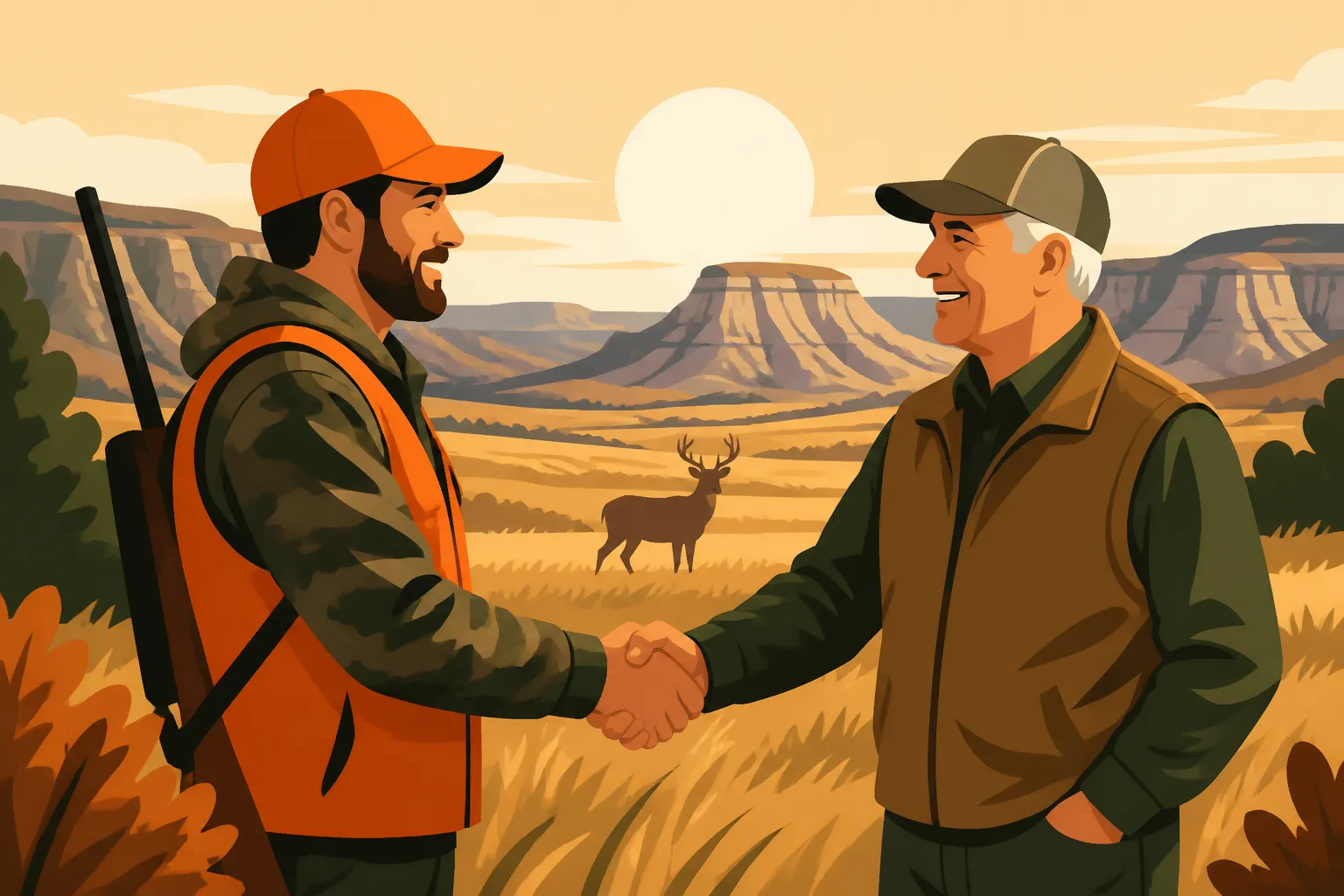
The biggest hurdle for many hunters seeking private land access is breaking the ice. If you already have a connection – perhaps you're a relative, a long-time family friend, a neighbor, or even someone who provides a service to the landowner – you've already cleared that initial barrier. This pre-existing trust is invaluable. The landowner knows your character, your habits, and hopefully, your respect for property. They aren't just letting a stranger onto their land; they're extending a privilege to someone they care about or respect. This foundational trust means you might be granted access more readily, and for a broader range of activities, than someone approaching them out of the blue. It’s not just about a handshake; it’s about years of shared experiences or mutual acquaintances that speak to your reliability.
Think about it: a farmer who has seen you help out with a fence repair or shared coffee with you at the local diner is far more likely to grant permission than a call from an unknown number. They know you won't leave gates open, drive across wet fields, or disregard their rules. This deep-seated understanding allows for a much more relaxed and reciprocal arrangement, where both parties feel comfortable and respected. You're not just a hunter; you're you, and that makes all the difference.
Beyond the Permission Slip: Deeper Understanding of the Land
When you're hunting with a landowner you know, the access isn't just a simple "yes" or "no." It often comes with a wealth of insider knowledge that public land hunters or even those on paid preserves rarely get. Your friend or family member knows the land intimately – where the whitetails like to bed down after a morning feed, which cattail slough consistently holds roosters in late season, or where the antelope cross a particular draw. They might tell you about a hidden spring, a new food plot they put in, or a change in deer movement patterns they observed last week. This kind of nuanced information is gold.
This insight can save you countless hours of scouting and vastly increase your chances of success. They can guide you to specific areas, warn you about tricky terrain, or share stories of past hunts that give you a feel for the rhythm of the property. This is a level of detail that no digital map, however sophisticated, can fully replicate. It transforms your hunt from a general search into a targeted mission, informed by generations of local wisdom. For example, knowing which coulees hold bucks in dry years can be the difference between a tough hunt and a successful one.
Trust and Flexibility: A Different Kind of Hunt
The nature of hunting with a familiar landowner often brings a level of flexibility and casualness that is hard to find elsewhere. You might be able to coordinate hunts on shorter notice, adapt plans based on weather or game movement, or even simply spend more time on the property without feeling rushed or bound by strict schedules. This comfort allows for a more organic hunting experience, where the focus can truly be on the pursuit and enjoyment of the outdoors.
This trust extends to things like where you can park, whether you can bring your dog, or if you can leave a treestand up for a few days. These small details can significantly enhance your hunt. While public land often has strict regulations on all these fronts, a trusted landowner might offer you more leeway, knowing you'll respect their property and remove anything you bring in. This flexibility makes the hunt feel more personal and less like a commercial transaction.
Navigating the Practicalities and Etiquette
While hunting with a familiar landowner offers distinct advantages, it’s far from a free-for-all. Maintaining this privilege requires diligent adherence to both spoken and unspoken rules, ensuring the relationship remains strong and access is preserved for years to come. It’s a reciprocal arrangement, not a one-way street.
Clear Communication: Setting Expectations
Even with a strong existing relationship, never assume anything about hunting access. Always have a clear, direct conversation about what’s allowed. This means discussing:
- What species you're targeting: Are you after pheasants, deer, antelope, or something else?
- When you plan to hunt: Specific dates, times of day, or general periods. The landowner might have specific times they prefer you aren't there due to farming operations, livestock, or family events.
- Specific areas of the property: Are there fields, pastures, or timber blocks that are off-limits?
- Any specific rules: What gates need to be closed, where can you drive, can you bring a guest, or use a UTV?
- Weapon choice: Shotgun, rifle, bow, or muzzleloader?
It’s easy to assume your uncle knows you're after deer because you talked about it last Thanksgiving, but a fresh conversation about this year's hunt is crucial. "Hey, Uncle John, I was hoping to chase some whitetails on your back forty next month, maybe a few mornings. Is that still okay? Any particular fields I should avoid, or gates I need to worry about?" This kind of open dialogue prevents misunderstandings and demonstrates your respect for their property and their time. Remember, rules can change from year to year, or even week to week, depending on agricultural cycles or livestock movements. Do You Need Written Permission in South Dakota? Even if you don't legally need written permission in all cases, it's often a good practice to confirm the details, especially if you plan to share the access with others.
Offering Value: How to Reciprocate
Hunting on private land, even with a friend or relative, is a privilege, not a right. One of the best ways to ensure continued access is to offer value back to the landowner. This doesn't always mean money; in fact, for many landowners, it’s about a relationship more than a transaction.
- Offer to help: Can you help with chores? Fence repair, moving hay bales, assisting with calving, or even just general labor around the farm are all incredibly valuable. Many landowners are busy, and an extra set of hands, especially from someone they trust, is a huge asset.
- Share the harvest: A couple of pheasants, a venison roast, or some fresh fish can be a wonderful gesture of thanks.
- Give a thoughtful gift: This doesn't have to be extravagant. A gift certificate to a local restaurant, a nice bottle of liquor, a pie baked by your spouse, or something useful for their farm or home. Gifts and Thanks for Landowner Access discusses this in more detail, but the key is thoughtfulness.
- General courtesy: Always leave the property cleaner than you found it. Pick up any trash, spent shell casings, and make sure gates are closed as instructed.
Think of it as an ongoing investment in the relationship. If you're consistently a good guest and helpful friend, your access will likely be secure. Many landowners appreciate assistance more than money, as it builds a deeper bond. Don't underestimate the power of showing up with a few extra hands when they're swamped.
Understanding the Landowner's Needs and Limits
Every landowner has different priorities for their land. Some might be primarily focused on agriculture, others on raising livestock, and some might value specific wildlife management practices. Understanding these overarching goals will help you be a better guest. If they're cutting hay, that's not the time to be driving through fields. If they have cattle in a certain pasture, you need to be extra mindful of gates and disturbance.
Their limits might also extend to the amount of hunting pressure they're comfortable with. Even if you're family, they might not want you hunting every single day, or bringing a large party of friends every weekend. Be sensitive to this and respect their wishes. They might have neighbors who complain about noise, or simply prefer quieter periods on their property. Being flexible and understanding shows that you prioritize their comfort and land management goals above your own hunting desires. This empathetic approach is key to a lasting relationship.
Common Pitfalls and How to Avoid Them
Even with the best intentions and a solid relationship, missteps can happen. It's crucial to be aware of potential pitfalls when hunting with a familiar landowner and to proactively work to avoid them. A good relationship can be tarnished by a single oversight, so diligence and respect are always paramount.
Assuming vs. Confirming: Don't Take Anything for Granted
One of the most dangerous assumptions is that because you hunted there last year, or even last week, permission is automatically granted for today. Or that because you’re family, you don’t need to ask. This is a quick way to lose access and potentially damage a relationship. Always, always confirm. A quick text or phone call, "Hey, planning to head out Saturday morning for a few hours if that still works for you," can save a world of trouble.
Circumstances on the land can change rapidly. Livestock might have been moved, a new crop planted, or a different hunting party might have already been given access for that specific day. What was okay yesterday might not be okay today. Taking the extra minute to confirm demonstrates respect and thoughtfulness, ensuring you're not putting the landowner in an awkward position or inadvertently causing an issue. Never just show up with your gear and assume it's business as usual.
Respecting Boundaries and Rules: Written or Unwritten
Even on familiar land, respecting specific boundaries and rules is critical. This includes:
- Property lines: Just because you have access to one piece of land doesn't mean you can cross into adjacent private property, even if it looks like prime habitat. Know the exact boundaries of where you are permitted to hunt. South Dakota Trespass Law and Posted Land outlines the legal implications of crossing these lines. Using tools like the South Dakota Public Hunting Atlas or apps like onX can help clarify boundaries, even on private ground.
- Gates and fences: If a gate is closed, close it behind you. If it's open, leave it open (unless instructed otherwise). Never cut across fields unless explicitly told it's okay, especially if crops are still in.
- Livestock: Be extremely mindful of cattle, horses, or other animals. Keep your distance, don't harass them, and avoid anything that could spook them or cause them to injure themselves.
- Vehicle use: Stick to designated trails or roads. Driving off-road, especially in wet conditions, can cause significant damage and compaction to fields. If you're unsure, walk.
- Specific hunting rules: This could be anything from "no hunting near the house" to "don't shoot toward that particular fenceline." These aren't arbitrary; they often relate to safety, neighboring property, or the landowner's comfort.
If a landowner mentions they’d rather you didn’t walk a certain shelterbelt because it’s where their grandkids play, you respect that without question. These details, whether explicitly stated or understood through years of interaction, are the bedrock of continued access. Neglecting them can instantly erode trust.
Managing Expectations: Not Every Day is a Limit Day
It's easy to get excited about hunting familiar private land and build up high expectations for bagging game. While private land often offers excellent opportunities, it's essential to manage your expectations. Wildlife is still wild, and success is never guaranteed. Focusing solely on the harvest can lead to disappointment and put undue pressure on both you and the landowner.
Instead, embrace the entire experience. The joy of being outdoors, the quiet companionship, the chance to observe nature, and the sheer privilege of being on that land should be central. If you harvest game, fantastic! Reading a South Dakota Harvest Report can help you understand the broader picture of game populations, but ultimately, every day afield is a gift. The landowner isn't a game farm operator, and you shouldn't treat their property as such. Appreciate the access, the beauty of the landscape, and the time spent, regardless of what ends up in your game bag.
| Aspect | Hunting with a Known Landowner | Hunting Public Land | Hunting a Commercial Outfitter |
|---|---|---|---|
| Access | Personal relationship, trust-based, often informal | Open to all, regulated by state, no specific permission needed | Contractual agreement, payment-based, formal booking required |
| Local Knowledge | Deep, insider information from landowner, personal guidance | Requires extensive self-scouting, e-scouting, trial-and-error | Guide provides knowledge, may or may not be intimate with specific spots |
| Flexibility | High, can often adapt plans, bring guests (with permission) | Limited by regulations, highly competitive with other hunters | Defined by package, strict schedules, limited personal choice |
| Cost | Often free or reciprocal (help, gifts), strengthens relationships | License, travel, gear. No direct land access fees | Significant financial investment, daily rates, trophy fees, tips |
| Privacy | High, often have the land to yourself or a small group | Low, high potential for encountering other hunters | Varies, usually dedicated areas for your group but other groups may be present |
| Rules | Combination of state regulations and landowner's personal rules | State-defined, rigid, enforced by wardens | State regulations + outfitter's specific rules, often very strict |
| Relationship | Builds lasting friendships, mutual respect | Impersonal, no direct relationship with land manager | Client-service provider, transactional, professional |
Beyond the Hunt: Maintaining the Relationship Long-Term
The success of a single hunt is great, but the true prize is cultivating a long-term relationship that ensures continued access for years to come. This requires ongoing effort, genuine appreciation, and a commitment to being an excellent steward of the land and a good friend. It's about looking past one season to many more.
Post-Hunt Follow-Up and Gratitude
After your hunt, whether successful or not, always follow up with the landowner. A simple thank you text, phone call, or even stopping by to chat goes a long way. Share any interesting observations you made – a big buck track, a group of pheasants in a particular cover, or anything that might be useful to them. If you were successful, offering to share some of the game, or simply showing them a photo of your harvest, can be a great way to express gratitude. They often get a lot of satisfaction from knowing their land provided an opportunity.
Consider sending a formal thank you card with a small, thoughtful gift. It reinforces your appreciation beyond a quick verbal exchange. Gifts and Thanks for Landowner Access offers more ideas for gestures of gratitude. This small effort ensures you end the season on a positive note and leaves a good impression for future requests. It shows you value more than just the hunting opportunity; you value their generosity.
Off-Season Engagement: Being a Good Neighbor
Your relationship with the landowner shouldn't be limited to hunting season. Checking in during the off-season, offering help, or simply being present as a friend or neighbor demonstrates that your interest goes beyond just the game animals on their property. This might mean offering to help during planting or harvest, assisting with fence mending, or simply stopping by for a cup of coffee and a chat.
For instance, if you know they're working hard during spring planting, a quick text offering to run an errand for them, or bring them a meal to the field, can be incredibly meaningful. This kind of consistent, year-round engagement solidifies the relationship, making future hunting requests much easier and more natural. It's about being part of their community and showing you care about their well-being, not just their land.
Protecting the Privilege: Your Role as a Guest
Ultimately, you are an ambassador for all hunters when you step onto private land. Your actions directly reflect on the hunting community and can impact whether landowners continue to grant access in the future.
- Adhere to all laws and regulations: This includes bag limits, shooting hours, tagging requirements, and ethical hunting practices. South Dakota Hunter Safety Requirements are not just for beginners; they are a lifelong commitment.
- Practice good land stewardship: Leave no trace. Pack out everything you pack in. Be careful with fire, especially in dry conditions. Report any issues you notice, like downed fences or suspicious activity, to the landowner.
- Manage carcass disposal: Be mindful of where you field dress game and how you dispose of remains. If you're hunting a deer and it's warm, prompt Field Dressing in Warm October Weather is crucial, and proper disposal is part of respectful hunting. Be aware of Carcass Transport Rules for CWD if you're in a management zone.
- Avoid over-hunting: Even if you have unlimited access, don't abuse the privilege. Respect the wildlife populations and avoid pressuring them too much. The goal is sustainable enjoyment, not depletion.
This long-term perspective ensures that the special bond you have with a particular landowner remains strong, benefiting both of you and potentially paving the way for future generations to enjoy similar opportunities. It's about being a trusted ally, not just a seasonal visitor. If a problem arises, address it immediately and honestly, just as you would with any good friend.
Disclaimer
This article is for general informational purposes only and does not constitute professional advice. Laws, prices and regulations vary by location and change over time. Consult a qualified professional for guidance on your specific situation.