Preserve Bag Limits in South Dakota
Hunting on a South Dakota shooting preserve can be a fantastic experience, offering consistent action and a longer season, but it often leaves hunters scratching their heads about bag limits. Unlike hunting wild birds where the daily and possession limits are clearly defined by the state, preserves operate under a different set of rules that can seem a bit opaque at first glance. This guide will clarify exactly what you can expect regarding bag limits when you're enjoying a day afield at a South Dakota shooting preserve, ensuring you're prepared and compliant.
The Unique Nature of South Dakota Shooting Preserves
Before we dive into the specifics of bag limits, it's really important to understand what a shooting preserve actually is and how it differs from traditional wild bird hunting in South Dakota. Many hunters come to the state expecting only wild birds, and while that's certainly a huge draw, preserves offer a distinct experience. They exist to extend the hunting season, provide opportunities for guaranteed bird numbers, and sometimes offer a more controlled environment that's perfect for new hunters, youth, or those who simply want a less strenuous hunt.
What Defines a Shooting Preserve
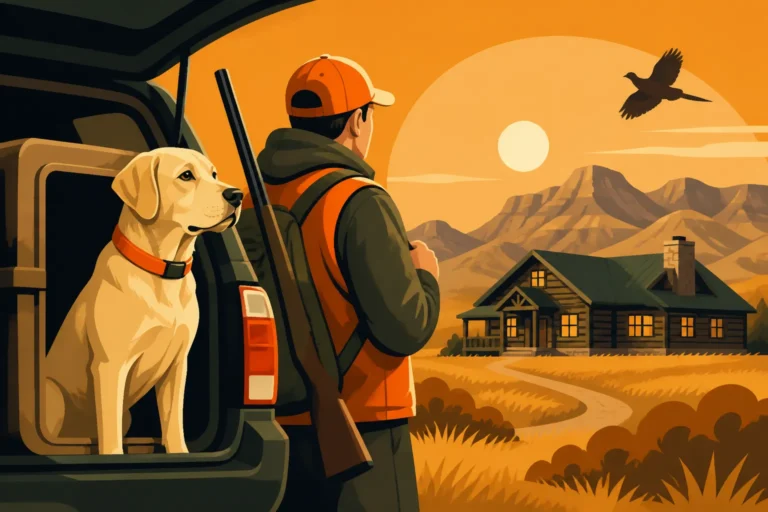
A shooting preserve in South Dakota is essentially a designated area of private land where pen-raised game birds, primarily pheasants, are released for hunting. The state licenses these operations, allowing them to offer extended seasons and often different rules regarding bird harvest compared to the traditional statewide pheasant season. This system helps support local economies by attracting hunters year-round and provides a valuable alternative for those who might not have the time or access for a full-on wild bird hunt. You'll find everything from sprawling, luxurious lodges to smaller, family-run operations, each with its own flavor. The key takeaway here is that these aren't wild birds in the sense of naturally reproducing populations that are subject to strict biological management through state-set daily limits in the same way. The rules are designed to facilitate a managed hunting experience, which impacts how bag limits are structured.
Why Preserve Rules Differ From Wild Bird Hunting
The rules for shooting preserves are different because the entire premise is different. When you're chasing wild pheasants on public land or even leased private ground, the state is managing a natural resource that faces all sorts of challenges like habitat loss, winter survival, and nesting success. South Dakota Pheasant Population History clearly illustrates these challenges. To protect that wild population, daily and possession limits are put in place to ensure sustainability. On a preserve, however, the birds are typically raised commercially and released specifically for the hunt. The preserve operator has invested in raising these birds, and their goal is to provide a certain hunting experience, often including a "guaranteed" number of harvest opportunities. This fundamental difference in managing a released, rather than wild, population is why the state allows preserves to operate under special regulations. It's a way to provide hunting opportunities without impacting the wild populations that are managed so carefully by the South Dakota Game, Fish and Parks.
Understanding Preserve Bag Limits: What to Expect
Now for the main event: what about those bag limits? This is where many hunters get confused, especially if they're used to the strict daily and possession limits of traditional hunting. The good news is that preserve bag limits are generally much more flexible and are typically determined by the specific package you book with an outfitter, rather than a hard state-mandated number.
How Preserve Bag Limits Are Structured
Instead of a fixed daily bag limit like the typical three roosters for wild birds, shooting preserves often structure their hunts around a certain number of birds per hunter, per day, or per hunt package. For example, a preserve might offer a package that includes "8 birds per hunter" for a full day hunt. This means you and your group are paying for the opportunity to harvest that many birds. Some preserves might even offer "unlimited" birds for a flat fee, especially later in the season or on specific types of hunts. The key here is that you're essentially pre-paying for the birds you intend to shoot, which shifts the dynamic away from conservation-based limits to a more service-based model. It's important to clarify these specifics when you're Booking a South Dakota Pheasant Hunt with any preserve.
Many preserves also allow for the harvest of hens, which is strictly prohibited during the wild pheasant season in South Dakota. This adds to the flexibility and hunting opportunities available on a preserve. Always confirm with your chosen preserve what their specific policies are regarding hen harvest. The exact bag limits are a commercial decision by the preserve, guided by the regulations of their How South Dakota Licenses Shooting Preserves permit, rather than a fixed number in the hunting handbook for wild game.
Factors Influencing Preserve Bag Limits
Several factors can influence the bag limits you'll encounter at a South Dakota shooting preserve. These often include:
- The specific hunting package: Most preserves have various packages. A basic day hunt might include 4-6 birds per hunter, while an upgraded package could offer 8-10 birds, or even more. Some lodges cater to corporate groups or extended stays, which might involve a higher overall bird count over multiple days. When looking at options on platforms like BookYourHunt, pay close attention to the "birds included" section of each package.
- The species being hunted: While pheasants are king, some preserves also release other game birds like quail, chukar, or Hungarian partridge. The "bag limit" might be a combined total, or specific numbers might be allocated per species.
- Time of year: While preserves have extended seasons, sometimes early or late season specials might include different bird numbers to encourage bookings.
- "Guaranteed" vs. "Released" Birds: Be sure to understand if the number refers to birds you are guaranteed to take home or birds released into the field for your group. Most reputable preserves aim for a high recovery rate, but it's always good to clarify.
- Per-bird charges: Some preserves might offer a base package with a lower bird count, then allow you to purchase additional birds if your group limits out early and wants more action. These "per-bird charges" are a common way to extend the hunt.
Here’s a general comparison to help you visualize the difference between wild bird limits and what you might encounter on a preserve:
| Aspect | South Dakota Wild Bird (Pheasant) Limit | South Dakota Shooting Preserve (Typical) |
|---|---|---|
| Daily Bag Limit | 3 roosters | Varies by package, often 4-10+ birds |
| Possession Limit | 15 roosters (after 5th day of season) | Varies by package, often unlimited for paid birds |
| Species Covered | Pheasant (roosters only) | Pheasant (roosters & hens), quail, chukar, partridge |
| Season Dates | Fixed state season (e.g., Oct-Jan) | Extended season, often March-October |
| Cost Basis | License + personal expenses | Package fee (includes birds) or per-bird charge |
| Guarantee | No guarantee of harvest | Often a "guaranteed" number of birds available |
Keep in mind that the numbers for preserves are illustrative; you must check with the specific preserve for their current offerings.
Licensing, Rules, and What Else You Need to Know for Preserve Hunting
Beyond just understanding the bag limits, there are other crucial aspects of preserve hunting that you need to be aware of. The licensing requirements, tagging procedures, and general conduct can differ from a public land hunt, and being informed ensures a smooth, enjoyable, and legal experience.
Required Licenses and Stamps for Preserves
Even though you're on a private preserve, you typically still need some form of hunting license. For non-residents, this usually means a South Dakota Nonresident Shooting Preserve Licence at a minimum. However, some preserves might require or suggest you purchase a regular nonresident small game license if they also offer access to hunt wild birds on adjacent properties, or if you plan to extend your trip with a What the Nonresident Small Game Licence Covers hunt outside the preserve.
Don't forget the South Dakota Habitat Stamp! This is a requirement for most hunting in the state, whether on public land or a preserve, so factor that into your planning. It's always best to contact the preserve directly or check the South Dakota Game, Fish and Parks website for the absolute latest and most specific license requirements for the exact type of hunt you're booking. The rules can be slightly different depending on whether the preserve is solely preserve-oriented or offers a mix of experiences.
Tagging and Transporting Birds From a Preserve
One of the big questions people have after a successful preserve hunt is about tagging and transporting all those birds. With potentially higher bag limits, it's easy to wonder how it all works. Generally, birds harvested on a licensed South Dakota shooting preserve do not fall under the same tagging requirements as wild birds. The preserve itself will usually have a system for documenting your harvest, and often they'll provide a receipt or tag that indicates the birds were legally taken from their operation. This documentation is crucial for transporting your birds out of state, if that's your plan.
Many preserves offer bird cleaning and packaging services, which is incredibly convenient. They can breast out your birds, vacuum seal them, and even freeze them for your trip home. This service simplifies the logistics of dealing with a large number of birds and ensures they are properly handled for transport. If you're going to use a service like this, it's a good idea to discuss it with the preserve when you're making your booking, as it might be an additional cost.
Beyond the Birds: Why Hunters Choose Preserves (and What to Consider)
While the focus here is on preserve bag limits, it's worth taking a moment to consider why hunters choose preserves in the first place, and what other factors come into play. It's not just about the numbers; it's about the entire experience.
The Allure of a Controlled Hunting Experience
For many hunters, especially those traveling a long distance, the appeal of a South Dakota shooting preserve is the reliability and control it offers. Imagine flying in for a hunting trip, and knowing you're going to get consistent shooting opportunities regardless of weather patterns, wild bird populations, or hunting pressure. That's a significant draw. Preserves are also fantastic for Youth Hunters at a South Dakota Lodge or those who might be new to upland bird hunting. The environment is often less physically demanding than slogging through miles of heavy cover for wild birds, and the higher bird numbers provide more chances for new shooters to gain confidence. You'll often find excellent dog work from professional guides, which is a joy to watch, even if you brought your own flusher or pointer. Many outfitters listed on sites like GoHunt specialize in creating memorable experiences, not just harvesting birds.
What to Consider When Booking a Preserve Hunt
Even with liberal bag limits, a preserve hunt isn't a "free for all." There are still ethical considerations and practical choices to make.
- Quality of Birds: While they are pen-raised, the quality of the birds can vary. Reputable preserves will release strong-flying birds that offer challenging shots. Ask about their stocking practices and the age of the birds they release.
- Habitat and Terrain: Some preserves cultivate excellent natural-looking habitat, making the hunt feel very authentic. Others might be more open. Consider what kind of hunting experience you're looking for – open field flushing or dense cover challenges.
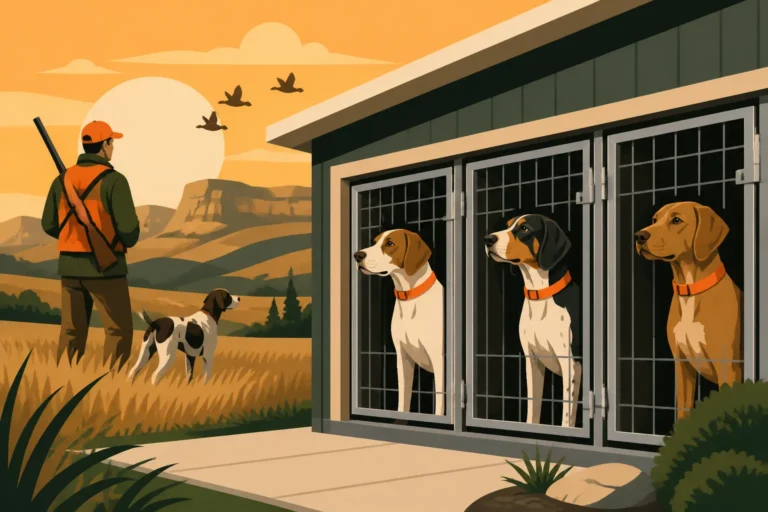
- Guide and Dog Services: Most preserve hunts are guided, often with experienced dog handlers and well-trained dogs. This is a huge benefit, as great dog work makes any bird hunt better. Clarify if a guide and dogs are included in your package. Bringing Your Own Dog to a Lodge is sometimes an option, but always check their policy first.
- Cost: Preserve hunts generally cost more than a DIY wild bird hunt due to the services provided, the birds themselves, and the accommodations. Make sure you understand what the What a South Dakota Hunt Price Includes so there are no surprises. This includes not just the birds, but also lodging, meals, bird cleaning, and tipping.
- Reviews and Reputation: Just like any service, researching the preserve's reputation is key. Look for testimonials, ask for references, and check reviews on platforms like BookYourHunt to ensure you're choosing a quality operation that prioritizes the hunting experience and client satisfaction.
Ultimately, South Dakota shooting preserves offer a fantastic and often action-packed hunting experience with flexible bag limits that cater to the hunt you've paid for. Understanding these differences from wild bird hunting is the first step to planning a successful and enjoyable trip.
Disclaimer
This article is for general informational purposes only and does not constitute professional advice. Laws, prices and regulations vary by location and change over time. Consult a qualified professional for guidance on your specific situation.