Wild Versus Preserve Bird Hunts in South Dakota
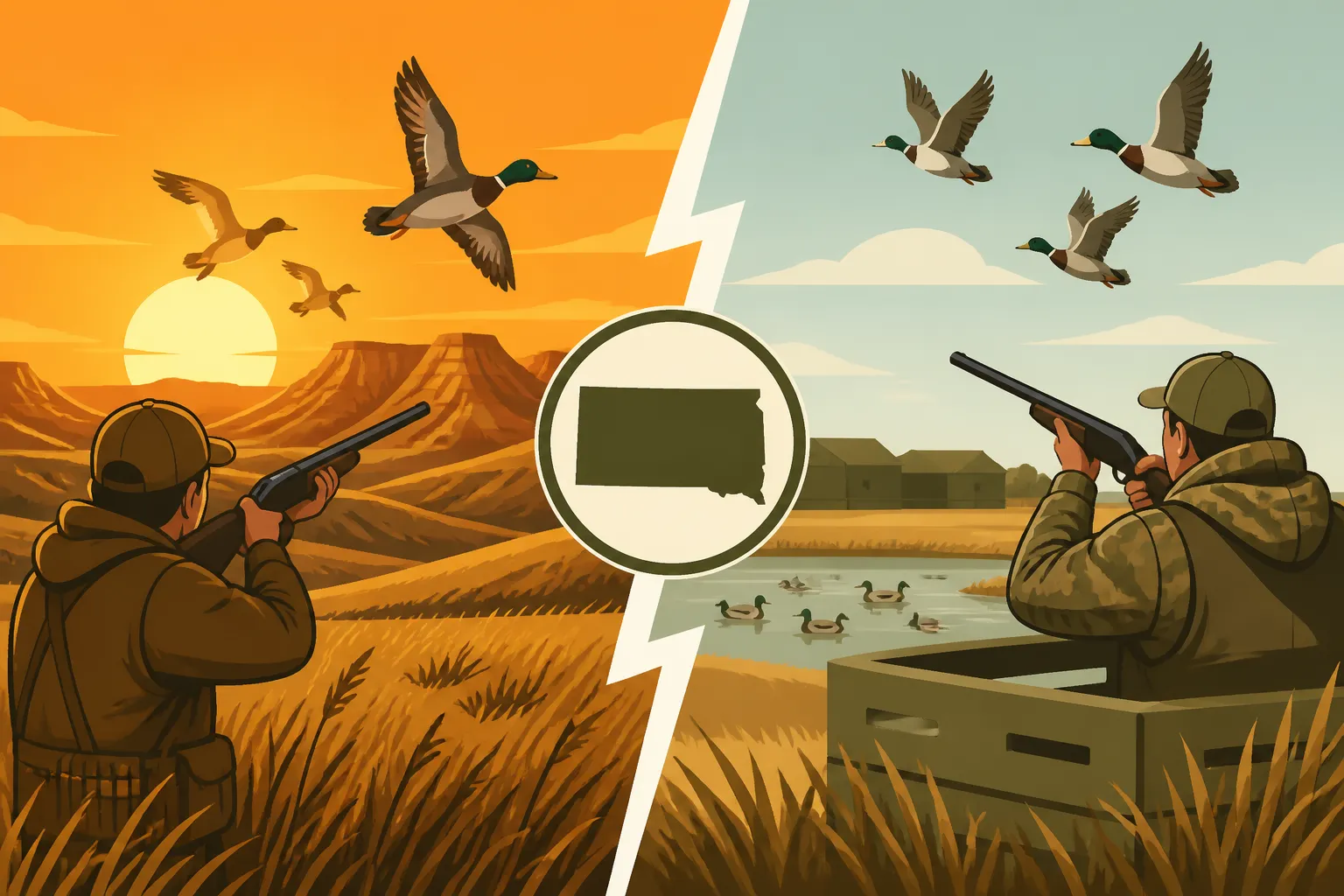
The dream of hunting pheasants in South Dakota lights up the eyes of countless sportsmen and women, but when it comes to planning that trip, a common question quickly emerges: should you pursue wild birds on the vast prairie or opt for a more controlled experience on a shooting preserve? This distinction can be confusing, and understanding the core differences between a wild hunt and a preserve hunt is crucial for setting your expectations and ensuring you have the best possible experience in the "Pheasant Capital of the World." This guide aims to clear up that confusion, offering a realistic look at both options so you can choose the adventure that's right for you.
Understanding "Wild Bird" Hunting in South Dakota
For many, the allure of South Dakota pheasant hunting is intrinsically linked to the pursuit of truly wild, free-ranging birds. This isn't just about bagging pheasants; it's about the entire experience—the expansive landscapes, the unpredictable flushes, and the feeling of truly earning your birds in their natural habitat.
The Essence of the Wild Pheasant Experience
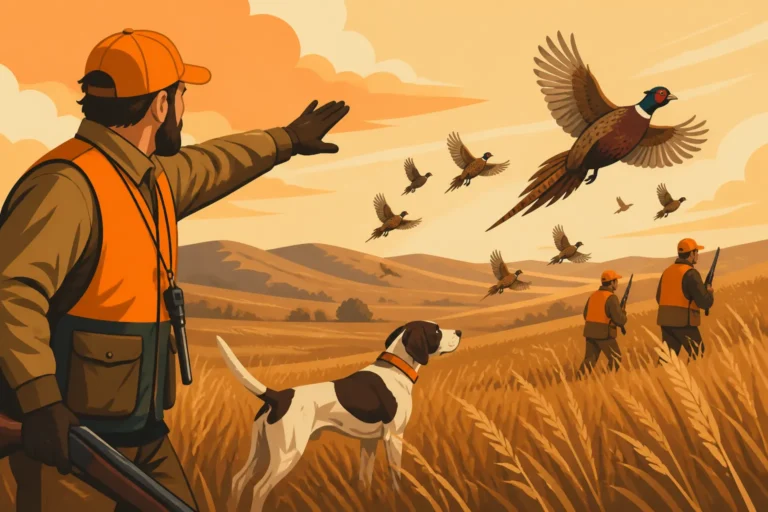
When we talk about hunting "wild birds" in South Dakota, we're talking about pheasants that have hatched, grown, and survived entirely on their own in the prairie environment. These birds are savvy; they've evaded predators, weathered harsh winters, and become experts at using the diverse cover South Dakota offers, from cattail sloughs to dense shelterbelts. The challenge of a wild pheasant hunt comes from their natural instincts: they run, they hold tight, and they explode from cover when you least expect it, often flushing just out of range or in an unexpected direction. This unpredictability is precisely what makes the hunt so thrilling and rewarding. Success isn't guaranteed, and that's part of the appeal. It requires keen observation, strategic planning, a good dog (or a well-coordinated group of hunters), and often, a lot of walking. It’s an immersion into the natural world, dictated by the birds’ behavior and the landscape.
Imagine walking a vast field of standing corn, dogs working diligently ahead, and suddenly a rooster cackles and bursts into the air, its iridescent plumage glinting in the sun. Or perhaps you're pushing a dense slough, wading through heavy cattails, when a whole covey erupts around you, testing your reflexes. These are the moments that define a truly wild pheasant hunt, deeply rooted in the traditions of the South Dakota prairie. The birds you encounter have adapted to survive in this environment, making each one you bag a testament to your hunting skill and perseverance.
Where Wild Birds Roam: Habitat and Public Access
South Dakota is blessed with an abundance of diverse habitat crucial for supporting its legendary wild pheasant populations. Prime areas include expansive grasslands, CRP (Conservation Reserve Program) fields, corn and milo food plots, natural drainage ditches, and thick cattail sloughs. These areas provide nesting cover, food, and crucial winter thermal protection for the birds. A significant portion of this habitat is found on private lands, but South Dakota also offers incredible public access opportunities that make wild bird hunting accessible to everyone. The Walk-In Area (WIA) program, Game Production Areas (GPAs), and federal lands like Waterfowl Production Areas (WPAs) and National Grasslands are treasure troves for public hunting. Hunting South Dakota Walk-In Areas provides an excellent overview of how to navigate these public resources.
The key to finding wild birds often lies in understanding their habitat preferences throughout the season. Early in the year, birds might be scattered in lighter cover, while late-season birds will be concentrated in heavy, protective cover like deep cattails and thick shelterbelts. The distribution of these habitats varies across the state, with the central and eastern regions generally holding the highest densities of pheasants. CRP Acres and South Dakota Bird Numbers can help you understand how land use impacts bird populations. Utilizing resources like the South Dakota Game, Fish and Parks public hunting atlas is essential for scouting and planning your wild bird adventure, ensuring you're hunting legally and effectively on ground where wild pheasants thrive.
The Licensing and Logistical Realities of Wild Hunts
Embarking on a wild pheasant hunt in South Dakota requires careful attention to licensing and other logistical details. For nonresidents, a Small Game License is essential, and many opt for the two five-day periods or a full season license, allowing flexibility in their hunting schedule. This also requires a Habitat Stamp. It's important to understand the specific season dates, daily bag limits, and possession limits, which are strictly enforced to manage the wild pheasant population responsibly. South Dakota Pheasant Season and Licences lays out these details. Unlike preserves, wild hunts are also governed by specific shooting hours, typically starting at 10:00 AM during much of the season, a rule designed to allow birds to leave their nighttime roosts naturally.
Logistically, a wild hunt can be more demanding. You're often responsible for your own transportation, lodging, meals, and finding hunting spots. This might mean driving on remote gravel roads, using mapping apps like OnX Hunt to verify public land boundaries, and navigating varied terrain. If you're hunting with a group, coordinating efforts for pushing fields and blocking escape routes becomes part of the strategy. Bringing your own well-trained hunting dog is highly recommended for maximizing success and efficiently recovering birds. This DIY aspect is part of the charm for many, but it does require more planning and self-sufficiency compared to a fully guided preserve experience. What the Nonresident Small Game Licence Covers is a must-read for any out-of-state hunter.
Diving Into South Dakota's Shooting Preserves
For hunters seeking a more structured, predictable, and often more accessible pheasant hunting experience, South Dakota's licensed shooting preserves offer an excellent alternative to wild bird hunting. These operations provide a distinct set of advantages, particularly for those with limited time, less experience, or specific group needs.
What Defines a Licensed Shooting Preserve
A shooting preserve in South Dakota is a privately owned and managed hunting area where game birds, primarily pheasants, are raised or purchased and released specifically for hunting. These operations are licensed and regulated by the state to ensure ethical practices and bird welfare. The core difference from a wild hunt is that these birds are not entirely free-ranging, self-sustaining populations. They are typically released just prior to or during the hunt, ensuring a higher density of birds and a greater likelihood of flushes. This creates a hunting environment designed for consistent action and success. Preserves often manage their land specifically for hunting, including planting ideal cover crops and food plots to hold released birds and provide a quality hunting experience.
The experience on a preserve is highly controlled. You'll typically hunt designated fields or areas, often with experienced guides and well-trained dogs provided by the outfitter. This allows for a more relaxed approach, where the focus is often on companionship, enjoying the dogs work, and consistent shooting opportunities, rather than extensive scouting or navigating complex public land boundaries. The objective is to provide a reliable, high-volume bird hunt, making it an attractive option for corporate groups, families, or those new to pheasant hunting.
The Controlled Environment and "Guaranteed" Birds
The major draw of a shooting preserve is the controlled environment, which translates to a much higher probability of encountering birds. While nothing in hunting is ever truly "guaranteed," preserves offer a remarkably consistent experience compared to the inherent unpredictability of wild bird hunting. Birds are typically released in numbers that ensure plenty of shooting opportunities for your group throughout the hunt. This means less time searching and more time with dogs on point or pheasants in the air. This aspect is particularly appealing for hunters who are traveling a long distance and want to maximize their chances of success, or for those who simply enjoy the thrill of frequent flushes.
Preserves also often boast excellent infrastructure. You'll find comfortable lodges, sometimes gourmet meals, and professional staff dedicated to making your trip seamless. What a South Dakota Pheasant Lodge Provides offers a glimpse into the amenities you might expect. The hunting fields themselves are meticulously managed, often designed with easy walking in mind, though challenging cover is still present to test hunters and dogs. This focus on a well-orchestrated experience means less stress about logistics and more focus on the hunt itself. For many, it's about the camaraderie and the shared experience, knowing that finding birds won't be a major struggle.
Specific Licensing for Preserve Hunts
Even on a shooting preserve, proper licensing is required, though the specific requirements can differ from a wild hunt. Nonresidents generally need a special nonresident shooting preserve license. This license often comes with different fee structures and may have different validity periods compared to a general small game license. It's crucial to confirm the specific license needed directly with the preserve you plan to hunt, as they will be the most up-to-date on current regulations. Many preserves will guide you through the licensing process or even handle some aspects of it for you.
One significant difference is that preserve hunting seasons can be considerably longer than the state's general wild pheasant season, sometimes extending for several months outside the traditional opener. Preserve Season Dates in South Dakota will give you an idea of these extended seasons. This extended period offers greater flexibility in planning your trip, especially if your schedule doesn't align with the peak wild bird season. Bag limits on preserves are also typically more liberal, often based on the number of birds released or a per-day limit set by the preserve, rather than the state's daily bag limit for wild birds. How South Dakota Licenses Shooting Preserves further details the regulations governing these operations.
Key Differences: Wild Hunt Versus Preserve Hunt
Deciding between a wild hunt and a preserve hunt in South Dakota really boils down to your personal priorities, experience level, and what you seek from the overall hunting adventure. While both offer the thrill of chasing pheasants, the experiences are fundamentally distinct.
The Challenge and Reward Factor
The challenge on a wild pheasant hunt is significantly higher. You are tracking truly independent birds that are experts at survival. They will run, hide, and flush unpredictably, demanding more from hunters in terms of physical exertion, strategic thinking, and shooting skill. Success is never guaranteed, and there will be days when the birds simply outsmart you, or you might walk miles for just a few flushes. However, this inherent difficulty makes the reward incredibly sweet. Every pheasant bagged feels like a true accomplishment, a testament to your ability to read the land, work with your dogs (or hunting partners), and outwit a wild creature. It's the ultimate test of traditional upland hunting skills.
In contrast, preserve hunts offer a more controlled challenge. While the birds are still pheasants and require good shooting to bring down, the density of released birds means more frequent flushes and a higher likelihood of success. The challenge often shifts from finding birds to making good shots under varied conditions. For newer hunters, youth hunters, or those looking to introduce friends to the sport, the more predictable action on a preserve can be less intimidating and more encouraging. It allows them to focus on shooting fundamentals and dog work without the added pressure of constantly searching for birds. The reward is often measured in the sheer volume of birds encountered and the consistent action, making for a day filled with exciting moments.
Cost Implications and Value Proposition
When it comes to cost, wild hunts are generally less expensive, especially if you go the do-it-yourself (DIY) route. Your primary expenses will be your hunting license, habitat stamp, travel, lodging (which can be budget-friendly motels or camping), food, and potentially fuel for your vehicle to access various public lands. If you hire a guide for a wild hunt, the costs will increase, but still often remain lower than a fully outfitted preserve hunt. The value proposition here is the freedom and authenticity of the experience; you're paying for access to the public land and the challenge of hunting truly wild game.
Shooting preserve hunts, on the other hand, typically come with a higher price tag. These packages often include guides, dogs, bird cleaning, lodging, and meals, offering a comprehensive experience where most of the logistics are handled for you. The cost reflects the extensive services provided, the overhead of raising and releasing birds, and the management of prime hunting grounds. The value proposition for a preserve hunt lies in convenience, a higher probability of success, a well-managed experience, and often, more luxurious accommodations and dining. For many, the ability to simply show up and hunt, without the extensive planning and scouting required for a DIY wild hunt, is well worth the investment. It’s a premium experience designed to maximize the hunting enjoyment. If you're comparing options, services like BookYourHunt can help you navigate the various packages and pricing offered by different lodges and preserves.
Bird Behavior, Density, and Hunting Pressure
The behavior and density of birds are profoundly different between the two hunting styles. Wild pheasants live under constant natural pressure, making them wary and cunning. Their density naturally fluctuates based on habitat quality, weather patterns, and reproductive success. Why South Dakota Is the Pheasant Capital explains why the state generally has such high wild bird numbers, but it's still a natural population. You might walk for a significant period between flushes, and when they do flush, they often do so unexpectedly, taking advantage of terrain and cover to escape. Hunting pressure on public lands can also influence wild bird behavior, pushing them into thicker, harder-to-reach cover, especially during peak times like the opening weekend. Hunters need to be prepared for the possibility of seeing fewer birds, but those they do see will be truly "trophy" birds in terms of their wildness.
On a preserve, the bird density is intentionally much higher. Birds are released specifically for hunting, meaning you're almost guaranteed to encounter them in the designated hunting areas. While these birds retain their natural instincts, their behavior can sometimes be less wary than a truly wild pheasant that has survived multiple hunting seasons. They might hold tighter or flush closer, contributing to the higher success rates. Hunting pressure on preserves is also controlled, as only paying clients are allowed access to the specific hunting areas. This ensures a consistent experience without worrying about other hunting parties impacting your hunt. The focus is on providing a consistent flow of action, allowing hunters to experience multiple flushes and shooting opportunities within a shorter timeframe.
Advantages and Disadvantages of Each Approach
Both wild bird hunting and preserve hunting in South Dakota offer unique benefits and drawbacks. Understanding these can help align your expectations with the reality of the hunt.
The Appeal of the Wild: Freedom and Authenticity
For many, the biggest advantage of a wild pheasant hunt is the unparalleled sense of freedom and authenticity it offers. You are truly pitting your skills against nature, exploring vast landscapes, and experiencing the prairie as it has been for generations. There's a deep satisfaction in successfully navigating public land, locating cover, and flushing a truly wild pheasant. This experience connects you to the tradition of upland hunting in a profound way. The learning curve can be steep, but the knowledge gained—reading bird sign, understanding habitat, calling the wind, and working with your dog in a natural setting—is invaluable. South Dakota Ring-Necked Pheasants provides background on the species that makes this wild pursuit so special.
However, this freedom comes with its own set of disadvantages. Wild hunts are inherently unpredictable. Success is never guaranteed, and you might spend a lot of time walking without seeing many birds. This can be frustrating for less experienced hunters or those with limited physical stamina. Logistics are entirely on you, from scouting locations to securing lodging and managing your gear. There's also the element of competition on public lands, particularly during the early season and weekends, which can mean shared hunting areas and birds that are pressured. If you're new to the area, it can take significant effort to find productive spots, and you might even consider using mapping resources like those offered by GoHunt to aid your scouting.
The Practicality of Preserves: Convenience and Success Rates
The primary advantages of a preserve hunt revolve around convenience and a higher probability of success. Everything is typically organized for you: guides, dogs, access to prime hunting fields, and often meals and lodging. This "turn-key" approach eliminates much of the planning stress, allowing you to focus purely on the hunting experience. For groups, it simplifies coordination and ensures everyone has a fair chance at birds. The higher density of released birds also translates to more shooting opportunities, making it an excellent choice for those who want a lot of action or are looking to hone their shooting skills. It’s also often more suitable for hunters with physical limitations, as preserves can often accommodate different mobility needs.
The downsides of a preserve hunt usually come down to cost and what some perceive as a less "authentic" hunting experience. The birds, while still wild in their instincts, are not self-sustaining populations, and some hunters may find this detracts from the traditional challenge. The controlled environment, while convenient, means less of the exploratory freedom that defines a wild hunt. Additionally, the higher price point can be a barrier for some budgets, especially for multi-day trips or larger groups. While many preserves strive to emulate a wild hunting environment, the fact remains that it is a managed experience, which may not appeal to purists.
When Each Option Makes the Most Sense
Choosing between a wild and preserve hunt often depends on your personal circumstances and priorities.
Choose a Wild Hunt if:
- You prioritize the challenge, authenticity, and the thrill of outsmarting truly wild game.
- You enjoy the DIY aspect of hunting, including scouting, planning, and self-reliance.
- You have a good level of physical fitness and are prepared for extensive walking across varied terrain.
- You are comfortable navigating public lands and potentially encountering other hunters.
- You have a well-trained hunting dog that thrives in natural settings.
- You are on a tighter budget and prefer to manage your own expenses.
Choose a Preserve Hunt if:
- You prioritize convenience, a higher likelihood of success, and a more predictable hunting experience.
- You are new to pheasant hunting or want to introduce others (including youth hunters) to the sport.
- You have limited time for planning and scouting, or prefer to have all logistics handled for you.
- You desire a guided experience with professional dogs and handlers.
- You're organizing a corporate retreat or a large group outing.
- You want to hunt outside the traditional wild pheasant season dates.
- You are comfortable with a higher cost for a more structured and amenity-rich experience.
Making Your Choice: Considerations and Recommendations
Ultimately, the "best" type of pheasant hunt in South Dakota is the one that aligns most closely with your personal preferences, budget, and hunting philosophy. There's no single right answer, only the right choice for you.
Assessing Your Experience Level and Expectations
Before booking anything, take a realistic look at your own hunting experience and what you truly expect from your South Dakota trip. Are you a seasoned upland hunter who cherishes the unpredictable nature of wild birds and the satisfaction of a hard-earned flush? Or are you a newer hunter, perhaps with family or friends, looking for a more consistent and accessible introduction to pheasant hunting? Your physical condition is also a major factor. Wild hunts can involve miles of walking through tough cover, while preserves often offer more accessible terrain.
Consider your priorities. Is it about the volume of birds, the camaraderie, the challenge, or the immersion in nature? If your expectation is to shoot your limit every day with minimal effort, a preserve hunt is likely a better fit. If your expectation is to experience the raw beauty of the prairie, test your skills, and cherish every single bird, then a wild hunt might be your calling. Be honest with yourself about what constitutes a "successful" hunt, as this will heavily influence your satisfaction with either option.
Researching Reputable Outfitters
If you lean towards a preserve hunt, or even a guided wild hunt on private land, researching reputable outfitters is paramount. The quality of your experience will largely depend on the outfitter's professionalism, the quality of their guides and dogs, and the condition of their hunting grounds. Start by looking for outfitters with a long-standing reputation in the state. Websites like BookYourHunt and GoHunt often feature lists and reviews of reputable operations, providing a good starting point for your search.
Don't be shy about asking questions:
- What is included in the package price (guides, dogs, lodging, meals, bird cleaning)?
- Are the hunts truly wild bird hunts, preserve hunts, or a mix?
- What is the typical guide-to-hunter ratio?
- How much ground will your group be hunting each day?
- Can they provide references from past clients? (This is perhaps the most important question!)
- What are their cancellation policies and what happens if you don't draw a tag for a guided big game hunt (less applicable to small game, but good general practice)?
A good outfitter will be transparent about their operations and happy to answer all your inquiries. Look for consistency in their responses and across multiple reviews.
Planning Your South Dakota Bird Adventure
Once you've decided on the type of hunt, it's time to dive into the specifics of planning. For wild hunts, this means getting your South Dakota Hunter Education and Licensing in order well in advance. Then, spend time studying maps—physical maps, online atlases, and apps—to identify potential public hunting areas, habitat types, and access points. Consider the time of year you'll be hunting, as bird behavior and cover change significantly from the South Dakota Pheasant Season Structure opener to the late season.
For preserve hunts, book well in advance, especially if you're targeting popular dates. Confirm all details in writing, including what your package covers and any additional costs. Ensure you understand the specific licensing required for the preserve. Regardless of your choice, ensure your firearms are sighted in and you've practiced your shooting. Pack appropriate clothing for the unpredictable South Dakota weather, comfortable walking boots, and safety gear. A first-aid kit, a good GPS or mapping device, and plenty of water are essential for any hunt on the prairie. No matter which path you choose, a South Dakota pheasant hunt promises to be an unforgettable adventure.
| Feature | Wild Bird Hunt | Preserve Bird Hunt |
|---|---|---|
| Bird Source | Naturally hatched, free-ranging wild pheasants | Released pheasants, often raised on site |
| Challenge | High; unpredictable flushes, extensive searching | Moderate; higher density, more consistent action |
| Success Rate | Variable; dependent on skill, conditions, luck | High; designed for frequent shooting opportunities |
| Cost | Generally lower (DIY), higher if guided | Generally higher; often all-inclusive packages |
| Licenses | South Dakota Small Game License, Habitat Stamp | Special Nonresident Shooting Preserve License |
| Season Dates | Strict state-set seasons (e.g., South Dakota Pheasant Season Structure) | Often extended, outside regular state seasons |
| Logistics | DIY; own scouting, transportation, lodging, food | Often handled by outfitter (guides, dogs, lodging) |
| Physical Demand | High; extensive walking through varied terrain | Variable; can be tailored to fitness levels |
| Authenticity | High; traditional upland hunting experience | Managed; focus on consistent action and convenience |
| Crowd Levels | Can be high on public land during peak times | Controlled; limited to paying clients |
Disclaimer
This article is for general informational purposes only and does not constitute professional advice. Laws, prices and regulations vary by location and change over time. Consult a qualified professional for guidance on your specific situation.