Late-Season South Dakota Pheasants in Heavy Cover
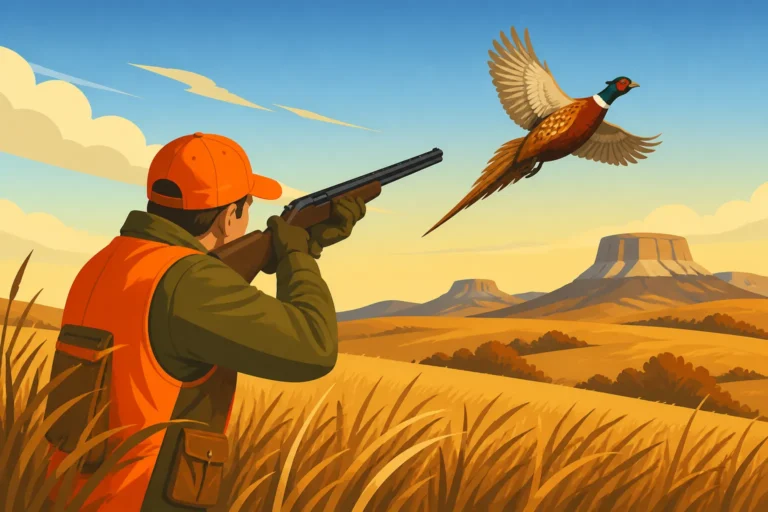
The late season in South Dakota can be brutal, but it also offers some of the most rewarding pheasant hunting experiences if you’re willing to brave the elements and dive into the thick stuff. There’s nothing quite like the frustration of watching a rooster disappear into a seemingly impenetrable cattail slough or a dense shelterbelt, knowing he’s in there but feeling utterly helpless to get him out. This guide is all about equipping you with the knowledge and tactics to confidently tackle those challenging, heavy cover areas where the wariest pheasants hide out when the snow flies and the temperatures drop.
The Late-Season Pheasant Mindset
As the South Dakota landscape transforms from golden stubble to a stark, often snow-covered expanse, so too do the habits of its ring-necked pheasants. Gone are the days when you might find birds loafing in open fields or easy-to-access CRP. These late-season roosters are survivors, wise to the ways of hunters and masters of finding the absolute densest, most protected cover available. Understanding this shift in their behavior is the first critical step to putting birds in the bag when the weather turns truly cold.
Why Cover Becomes King for Winter Roosters
Think about it from a pheasant’s perspective: when winter sets in, survival becomes a daily struggle. The thin cover of earlier seasons no longer provides adequate protection from biting winds, heavy snow, or the ever-present threat of predators, both avian and mammalian. This is why roosters, especially the older, smarter ones, gravitate towards what we call "heavy cover." We’re talking about places like dense cattail sloughs, thick shelterbelts, overgrown creek bottoms, and robust patches of uncut native prairie grasses or CRP (Conservation Reserve Program) that stand tall against the elements.
This heavy cover isn't just about hiding from hunters; it's a vital thermal blanket. A thick canopy overhead, combined with dense undergrowth, creates a microclimate that can be significantly warmer than the exposed prairie, especially on windy days. It also offers excellent concealment from aerial predators like hawks and eagles, which become more of a threat when snow highlights everything on the ground. Furthermore, these areas often contain residual food sources or are adjacent to agricultural fields where birds can make quick forays to feed before retreating to safety. They become virtual fortresses, and any hunter who expects to walk in and pick up birds easily is in for a rude awakening. You need to respect these areas for what they are – the pheasant's last stand against winter and hunters alike.
Understanding Late-Day Movement Patterns
One of the biggest mistakes hunters make in the late season is sticking to the same hunting schedule they used during the warmer opener. While the South Dakota pheasant opener might see good action all day, when cold weather grips the state, pheasant movement becomes much more predictable and often concentrated during specific times. Those morning drives might yield a few birds, but the real magic often happens later in the day.
Birds will typically spend the frigid mornings holed up deep in their heavy cover sanctuaries, conserving energy and staying warm. As the sun climbs higher and temperatures, even slightly, begin to moderate around mid-morning, they’ll start to stir. This is when they might venture out to feed, hitting nearby food plots or corn edges. You might notice that "Ten a.m. Start Times and Bird Behaviour" is a common theme for a reason – that’s often when pheasants decide it’s safe enough to emerge. However, they don't wander far, and they're quick to retreat. As the afternoon progresses, especially in that sweet spot between 2:00 PM and legal shooting light, pheasants begin their final push for food before heading back to their roosting cover for the night. This late afternoon window is often your best bet for catching birds moving between feeding areas and their evening roosts, or getting them to flush as you push their chosen roosting cover. Knowing "Where Roosters Sit at Midday" can also give you an advantage, as these are often smaller, sun-exposed pockets of cover where birds might loaf before the evening feed. The key is patience and timing your pushes to align with their natural movements.
Identifying Prime Winter Habitat
Finding late-season pheasants is less about luck and more about understanding where they have to be. When the landscape is bleak, these birds gravitate to specific types of dense cover that offer the best protection. You’ve got to think like a rooster and identify those places on the map before you ever set foot in the field. This is where scouting, both digital and on the ground, truly pays off.
Navigating the Deepest Cattail Sloughs
Cattail sloughs are absolute magnets for late-season pheasants, especially after a good snow. They provide incredible thermal cover, shielding birds from wind and cold, and their dense vertical structure offers excellent camouflage. These aren't just any cattails, though; we're talking about the thickest, nastiest, often waist-to-chest-high stands of them, usually bordering or containing water. Pushing a cattail slough can be incredibly tough work, akin to wrestling with a giant, tangled mattress, but the rewards can be phenomenal.
When scouting these areas, look for sloughs that are substantial in size – the bigger and denser, the better. Often, you'll find them in lower-lying areas, sometimes with standing water or ice, which only adds to the challenge for both hunters and dogs. These are the places where pheasants feel most secure, often running deep into the cover rather than flushing easily. A truly dense cattail slough might require multiple passes or a well-coordinated team to properly work. If you're wondering how to approach them, checking out resources on "Walking and Blocking South Dakota Cattail Sloughs" can provide invaluable insights, as can a deeper dive into "Pushing a Cattail Slough With Blockers". These areas might seem daunting, but they hold the biggest concentrations of birds. Using mapping tools like GoHunt, you can often identify these wetland areas from satellite imagery, giving you a head start on where to focus your efforts.
Dense Shelterbelts and Tree Rows as Fortresses
South Dakota's prairie is dotted with shelterbelts and tree rows, planted decades ago to break the wind for farmsteads and fields. In the late season, these linear strips of trees, especially those with a thick understory of brush, plum thickets, or even fallen limbs, become impenetrable fortresses for pheasants. They offer overhead cover from aerial predators and a significant buffer against piercing winds.
The key to finding productive shelterbelts is to look for density. A thin line of widely spaced trees might hold a few birds, but the ones you want to focus on are those that are wide and choked with undergrowth – the kind that makes you wonder if you can even physically walk through them. Also, pay attention to their orientation; shelterbelts running east-west often catch more sun, making them even more appealing to birds seeking warmth. When hunting these, pheasants will often run the length of the belt, trying to escape out the ends. This makes "Working South Dakota Shelterbelts for Roosters" a strategic game, often requiring blockers at the far end to ensure birds flush into shooting range rather than simply disappearing into the next patch of cover. Don't overlook these seemingly simple strips; they can hold surprising numbers of roosters.
Uncut Native Grasslands and CRP Sanctuaries
While cattails and shelterbelts are obvious choices, vast stretches of uncut native grasslands and well-maintained CRP fields are equally important, especially those with particularly tall, stiff grasses. These areas, when left untended, provide a dense matrix of cover that can shed snow, block wind, and offer excellent camouflage. Birds will burrow deep into these areas, disappearing as if by magic.
Not all CRP or native grass is created equal, however. Look for fields with switchgrass, big bluestem, or other robust grasses that remain standing even under heavy snow. Fields that haven't been grazed or hayed in a year or two are prime candidates, as they offer maximum residual cover. These can be particularly challenging to hunt because birds have so much room to run and hide. They often require systematic grid patterns, especially if you're hunting without a large group or many dogs. Using digital maps from platforms like GoHunt can help you differentiate between different types of conservation land and identify the most likely spots with good, dense grass. Be prepared for a lot of walking, as these can be expansive areas, but the satisfaction of flushing a late-season rooster from seemingly endless grass is truly something special.
Tactics for Cracking Heavy Cover
Hunting pheasants in heavy cover isn't just a walk in the park; it's a strategic operation that demands effort, teamwork (or exceptional solo skill), and most importantly, effective use of good dogs. The tactics shift significantly from early season hunts, requiring more deliberate, slower approaches to push birds out of their sanctuaries.
The Essential Role of Good Bird Dogs
Let's be honest, trying to effectively hunt late-season pheasants in heavy cover without a good bird dog is like trying to change a tire without a jack. It’s incredibly difficult, often frustrating, and frankly, you're missing out on a huge part of the experience and success. In the dense tangles of cattails, thick plum bushes, and deep grass, a pheasant's scent cone is often trapped, making it hard for them to know exactly where you are, and even harder for you to know exactly where they are. This is where a dog's nose, drive, and determination become absolutely indispensable.
A good flushing dog, like a Labrador or a springer spaniel, can dive headfirst into the thickest stuff, breaking cover and forcing birds to fly that you would have otherwise walked right past. Their relentless energy and ability to push through dense vegetation are unmatched. For those who prefer the elegant hunt of a pointing dog, breeds like German Shorthaired Pointers or Brittanys can lock onto scent, allowing you to move in for a planned flush. Regardless of breed, the dog needs to be conditioned for the cold, have tough pads, and be able to navigate difficult terrain. Their perseverance will often be the difference between a bird in the vest and an empty handed walk back to the truck. If you’re debating between "Pointing Dogs Versus Flushers on Wild Birds," consider the type of cover you’ll be hunting most often; flushers often excel in the true nastiness of late-season strongholds.
Executing Effective Drives and Flushes
When tackling larger blocks of heavy cover, especially those sprawling cattail sloughs or extensive shelterbelts, a well-coordinated drive is often the most effective method. This involves a group of hunters (the "walkers" or "drivers") moving systematically through the cover, pushing birds towards another group of hunters (the "blockers" or "posters") positioned at the expected escape routes.
The Walkers: The drivers need to move slowly and deliberately, kicking every clump of grass and probing every dense patch. Resist the urge to rush; late-season birds will run for hundreds of yards before flushing, especially if they feel unpressured. If you’re working a wide strip, try to stay in a relatively straight line, adjusting your pace to keep everyone together. Dogs should be working hard, quartering ahead, and pushing the thickest cover. For a deep dive, "How Many Blockers a Field Needs" and "Walking Speed That Holds Roosters" are great topics to explore for optimizing your drive.
The Blockers: Blockers are strategically placed downwind or at the end of the cover strip. Their job is to remain absolutely still and silent, ready for birds to come out. Patience is crucial here. They should be aware of the blaze orange rules for safety and have a clear understanding of the safe zones of fire. Communication between walkers and blockers is vital, whether through radios or pre-arranged signals. Remember that "Muzzle Discipline With Blockers Ahead" is paramount to ensure everyone's safety during these drives.
Stealthier Approaches for Smaller Groups or Solo Hunters
Not everyone has a large hunting party or a brace of well-trained dogs, but that doesn't mean late-season heavy cover is off-limits. Solo hunters or small groups of two or three can still be highly successful by adopting stealthier, more methodical tactics. The key here is to leverage the birds' reluctance to fly and their tendency to run.
Instead of a wide drive, focus on smaller, isolated pockets of heavy cover that might be overlooked by larger groups. Think small, dense draws, plum thickets, or the deep corners of larger CRP fields that abut standing corn. When approaching these areas, use the wind to your advantage, moving into the wind so your scent is carried away from the birds, and so your dog can work more effectively. Move slowly, pausing often. Those quick, erratic movements you make might be enough to push a bird to run rather than fly.
For solo hunters, a good strategy is to zig-zag through dense cover, forcing birds to make a decision. Walk a line, then angle back, then angle again, effectively creating multiple "pressure points" that can confuse a running bird and make it feel like it's being cornered. Another effective tactic for solo or small groups, especially in thick cattails or brush, is to push a section of cover, then loop around quickly to the far side or side where birds are most likely to exit, and wait silently. Many times, birds will run out, thinking they've escaped, only to present a shot to the waiting hunter. This requires a deep understanding of pheasant escape routes and good map reading skills to predict their movements, which GoHunt maps can greatly assist with. The goal is to make the bird feel trapped and force a flush, even if it's a short one.
Essential Gear and Safety in the Cold
Hunting South Dakota pheasants in the late season means dealing with whatever Mother Nature throws at you, and that often includes extreme cold, wind, and snow. Being unprepared isn't just uncomfortable; it can be dangerous. Proper gear and a keen awareness of safety protocols are non-negotiable.
Dressing for South Dakota's Winter Extremes
The prairie wind can cut right through you, and standing still as a blocker or walking slowly through deep snow can lead to rapid heat loss. Layering is your best friend when hunting in South Dakota's winter. Start with a moisture-wicking base layer – synthetic or merino wool is ideal – to pull sweat away from your body. Next, add an insulating mid-layer, like a fleece jacket or down vest, to trap warmth. Your outer layer needs to be windproof, water-resistant (or waterproof if snow is falling), and durable enough to withstand brush and briars.
Don't forget the extremities! A warm, windproof hat that covers your ears is critical. Insulated, waterproof gloves or mittens are a must, perhaps with thinner shooting gloves underneath for when you need dexterity. Good wool socks are essential, and bringing an extra pair to change into at midday can make a world of difference if your feet get damp. Many hunters also carry hand and foot warmers for those especially brutal days. Remember, you'll be exerting yourself, so avoid over-layering to the point of excessive sweating, which can lead to a dangerous chill later on. Having a good understanding of "Layering for South Dakota Wind" will keep you in the field longer and more comfortably.
Footwear, Traction, and Staying Dry
Your feet are your foundation, and in late-season heavy cover, they're going to take a beating. You need boots that are warm, waterproof, and offer excellent ankle support and traction. Think insulated rubber boots or high-quality leather hunting boots with a waterproof membrane like Gore-Tex. They should be rated for sub-zero temperatures, especially if you plan to be standing in snow or near icy water.
Traction is paramount when navigating icy sloughs, frozen ditches, or snow-covered hills. Boots with aggressive tread patterns are essential. You might even consider ice cleats or traction devices if conditions are particularly slick, especially when moving through icy cattails. Staying dry is just as important as staying warm; wet feet quickly become cold feet, leading to discomfort and potentially frostbite. Ensure your waterproof pants or bibs create a good seal over your boots to prevent snow from getting in. "Boots for Walking Cattails All Day" focuses on the specific demands of this tough terrain, ensuring you choose the right foot protection for the job.
Navigating Access and Staying Safe on Public Land
Hunting heavy cover, especially in the late season, often takes you into remote or less-traveled areas, frequently on public lands like Walk-In Areas (WIAs) or Game Production Areas (GPAs). This makes safety and proper access even more critical. Always let someone know your hunting plan, including where you'll be and when you expect to return. Cell service can be spotty in some parts of West River country, so don’t rely solely on your phone for communication or navigation.
Carry a physical map or ensure your digital maps (like GoHunt) are downloaded for offline use. Identify access points and exit strategies before you start. Be aware of "Hunting Pressure Patterns on Walk-In Areas"; these spots can see a lot of activity, especially on weekends. Always practice safe gun handling, especially during drives where visibility can be limited in dense cover. "Blaze Orange Rules on a Bird Hunt" are not just recommendations; they are vital safety regulations that protect everyone in the field. Be extra diligent with "Safe Gun Handling on a Bird Drive," always knowing where your hunting partners are and maintaining muzzle control. A basic first aid kit, water, and emergency food are also smart additions to your pack.
Dealing with Pressured Birds
Late-season pheasants aren't rookies; they've survived weeks, if not months, of hunting pressure. They've learned to be incredibly wary, and their survival instincts are finely honed. This means you can't hunt them the same way you would during the opener. Understanding their defensive strategies is key to countering them successfully.
Flushes vs. Runs: Adapting Your Approach
One of the most frustrating aspects of hunting late-season pheasants in heavy cover is their tendency to run instead of flush. A bird might be within yards of you, but instead of taking to the air, it simply ducks its head and sprints through the thick vegetation, using every available stalk and branch for concealment. This is particularly common in dense cattails, tall grass, and thick shelterbelts. They will run for a surprisingly long distance, often out the end of the cover strip, if they feel they have a chance to escape undetected.
Your approach needs to adapt to this behavior. Firstly, slow down. A fast pace gives birds more time and space to run ahead of you. A deliberate, almost creeping pace, with frequent pauses, can make birds nervous and force them to make a decision. Secondly, use dogs that are trained to stay within a reasonable range and to push hard into the nastiest cover. Their presence, combined with your slow pace, creates a sense of being cornered, which can trigger a flush. Thirdly, if you're working with a group, try to create "pinches" or bottlenecks in the cover, where the birds have fewer options to run wide. Understanding "Why Birds Run Instead of Flush" will fundamentally change how you plan your drives and work your dogs, turning a potentially frustrating run-off into a thrilling flush.
Hunting Pressure Patterns on Walk-In Areas
Walk-In Areas (WIAs) are an incredible resource for public hunting in South Dakota, but in the late season, they can also become quite popular. Wary pheasants on these publicly accessible lands quickly learn where the pressure comes from and how to avoid it. They’ll often hold tighter, run further, and use the most inaccessible parts of the WIA as their escape routes.
To counter this, think about unconventional approaches. Instead of hitting the most obvious cover right off the parking area, be willing to walk further into the WIA. Many hunters stop at the first good-looking patch of cattails or grass. The birds that survive often retreat to the deepest, hardest-to-reach pockets of cover. Use mapping tools like GoHunt to identify overlooked corners, smaller isolated patches of cover, or areas that require a longer hike. Consider hunting during weekdays if possible, when pressure is typically lighter. Also, pay attention to the time of day; while the 10 AM start is standard, birds might be more apt to move in the late afternoon when earlier hunting parties have departed. Don't be afraid to try "Access Routes That Do Not Blow Out Birds" by approaching cover from an unexpected direction, perhaps from downwind or from a less obvious field edge. The goal is to surprise the birds, rather than allow them to anticipate your move.
| Cover Type | Characteristics in Late Season | Hunting Strategy | Dog Type Preference | Hunter Group Size |
|---|---|---|---|---|
| Cattail Sloughs | Dense, wet, excellent thermal cover, often icy/snow-filled | Slow, systematic pushes. Crucial for dogs to break cover. Blockers at ends. Consider looping back. | Flusher | 3+ (effective) |
| Dense Shelterbelts | Wide, thick undergrowth, plum thickets, windbreaks. Birds run ends. | Walk slowly downwind. Blockers at ends are critical. Dogs work hard. | Flusher/Pointer | 2-5 |
| Uncut Native Grass/CRP | Tall, stiff grasses, good thermal/wind protection. Birds run far. | Systematic grid patterns. Very slow, thorough pushes. Dogs with strong noses and wide range. Patience is key. | Flusher/Pointer | 2-4 |
| Creek Bottoms/Brush | Linear, often tangled, thickets of plum, briars, small trees. | Often linear pushes, similar to shelterbelts. Look for pinch points. Blockers at natural bottlenecks. | Flusher | 2-4 |
After the Flush: Handling Your Hard-Earned Birds
After all that hard work, the triumphant flush, and a successful shot, the job isn't quite over. Proper post-hunt care ensures your hard-earned pheasants are kept in top condition, and adherence to regulations keeps you on the right side of the law.
Immediate Care for Quality Meat
One of the great joys of pheasant hunting is, of course, the delicious meal that follows. But to ensure the best possible table fare, immediate field care is crucial, even in cold weather. While freezing temperatures might seem to negate the need for quick cooling, proper handling still makes a difference. As soon as you retrieve your bird, try to ensure it cools down as quickly as possible. This means keeping it out of confined, warm spaces like the back of a heated truck cab or a tight game bag packed with other warm birds.
Many hunters will briefly hang their birds by the feet in the open air to cool them down if conditions allow. If you have a game vest with a mesh back, that's often sufficient to allow air circulation. Avoid piling birds in a cooler without ice, as this can still trap heat. If you're going to be out for several hours, bringing a cooler with a little ice or snow can help keep them chilled, but generally, the cold South Dakota air does most of the work for you in the late season. When you get back to the lodge or home, clean your birds promptly. Whether you choose to breast them out or fully pluck them, doing it quickly will result in the freshest meat.
Knowing the Rules for Transport
South Dakota has specific regulations regarding the transportation of game birds, and it’s critical to understand them to avoid any issues. The main rule to remember, especially for pheasants, is the requirement for proof of sex. This means that when you are transporting pheasants in South Dakota, at least one leg and foot (or some other identifiable part) must remain attached to the bird until it reaches your home or a commercial processing facility. This allows game wardens to verify that the bird is indeed a rooster and that you are adhering to the daily bag and possession limits.
Make sure you understand the "South Dakota Pheasant Daily Bag Limit" and "South Dakota Pheasant Possession Limit." The daily limit is how many birds you can harvest in one day, while the possession limit is the maximum number of birds you can have in your possession at any given time, including those from previous days. It's easy to get these confused, especially on a multi-day trip. If you're traveling across state lines, be aware of both South Dakota's rules and the regulations of any states you'll be passing through. It’s always a good idea to consult the most current South Dakota Game, Fish and Parks (GFP) hunting handbook or website for the precise wording of these rules before you hit the field. A quick read on "Tagging and Transporting Birds Legally" can save you a lot of headache.
Disclaimer
Please be aware that hunting regulations, seasons, and licensing requirements can change. Always consult the latest South Dakota Game, Fish and Parks (GFP) official regulations and publications before planning and undertaking any hunting activities. This guide is for informational purposes only and should not replace official sources. Safety should always be your top priority in the field.