Vehicle Rules on Game Production Areas
One of the trickiest parts about hunting in South Dakota, especially when you’re exploring new ground, is figuring out exactly where you can and cannot drive your vehicle. It's frustrating to pull up to a promising Game Production Area, see a good patch of cover, and then second-guess whether you can even drive down that two-track or if you’re about to accidentally trespass or damage the habitat. This guide is all about demystifying those vehicle rules on South Dakota Game Production Areas (GPAs) so you can hunt confidently and responsibly.
Understanding South Dakota Game Production Areas (GPAs)
South Dakota's Game Production Areas are absolute treasures for hunters, providing critical habitat for a variety of wildlife and opening up access for public recreation. But what exactly are they, and why do they have their own specific set of rules?
What Exactly Are GPAs?
Think of Game Production Areas, or GPAs, as parcels of land owned and managed by the South Dakota Game, Fish and Parks (GFP). Unlike some other public lands you might encounter, GPAs are specifically acquired and developed to enhance wildlife habitat and provide public hunting and fishing access. These aren't just random plots of ground; they are carefully chosen and often improved with things like dense thermal cover, food plots, and wetland restorations to truly boost pheasant, deer, and waterfowl populations. They are distinct from Walk-In Areas (WIAs), which are private lands leased by the state, and often have different rules, particularly regarding vehicles. Understanding that distinction is key to not making a misstep.
Why Vehicle Rules Matter on GPAs
You might wonder why there are so many rules about where you can drive when the land is public. The truth is, these regulations are vital for a few critical reasons. First and foremost, conservation is at the heart of it. Driving off-road can destroy delicate habitat, compact soil, and create ruts that lead to erosion. It can also disturb nesting birds or bedded deer, pushing them out of an area that was specifically designed to be a sanctuary. Beyond conservation, these rules are about maintaining equitable access for all hunters. If everyone drove wherever they pleased, popular areas would quickly become chewed up, making them less enjoyable and potentially less productive for wildlife. Finally, safety is a huge factor. Unrestricted vehicle use can lead to dangerous situations, especially during busy seasons like the pheasant opener when many hunters and their dogs are in the field. These rules protect the land, the wildlife, and every person who wants to enjoy South Dakota's outdoor heritage. You can learn more about the broader concept of public hunting land in the state by checking out Public Hunting Land in South Dakota.
The Core Vehicle Rules for GPAs
Navigating Game Production Areas requires a clear understanding of where your truck, ATV, or UTV is permitted. It’s not about restricting your fun, but ensuring the resource remains healthy for everyone, year after year.
Designated Access and Parking
The golden rule for vehicles on Game Production Areas is to stay on established roads and use designated parking areas. This means if a road isn't clearly marked as an access route or maintained for vehicle use, you should assume it's not for driving. Many GPAs will have signs indicating primary access points and parking lots. These are the spots where you can safely pull off the main road, unload your gear, and begin your hunt. Sometimes, an established two-track might lead into a GPA, but if it ends in a small turnaround or has a gate, that's your cue to park and proceed on foot. It’s never a bad idea to double-check the South Dakota Hunting Handbook Release for the latest guidance.
No Off-Road Travel
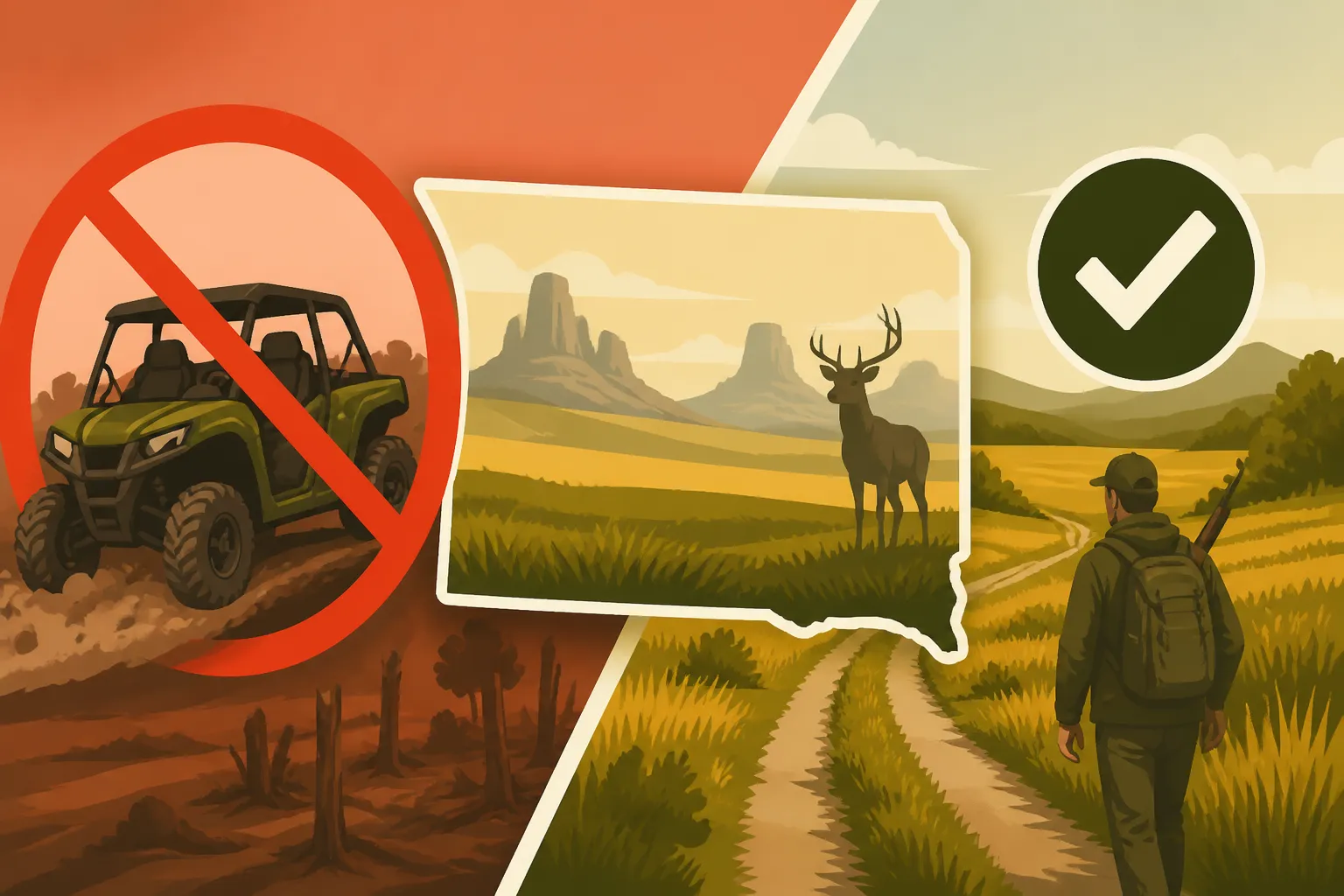
This is perhaps the most crucial rule for GPAs: absolutely no off-road travel with motorized vehicles is allowed. This isn't just a suggestion; it's a strict regulation. Driving your truck, ATV, or UTV across a field, through dense cover, or along a grassy edge, even if it looks like an old trail, is a violation. The damage caused by just one vehicle driving off-road can take years to recover, impacting everything from ground-nesting birds to the overall plant life that forms critical habitat. The only very rare exceptions might be for certain types of game retrieval, and even then, specific permission from GFP staff is almost always required before you drive off a designated path. Don't assume; always ask first if you think you might need to recover an animal in a hard-to-reach spot, and never just drive out there.
Seasonal Restrictions and Closures
Just when you think you have a handle on things, GPAs can throw another curveball: seasonal restrictions and temporary closures. Many GPAs, particularly those with delicate nesting habitat or significant waterfowl use, may have vehicle access restrictions during certain times of the year. For instance, some areas might be entirely closed to vehicles during spring nesting season to protect vulnerable birds, or roads might be gated during periods of heavy rain or snowmelt to prevent damage. You'll often see specific signage detailing these closures right at the entry points. It's not uncommon for sections to be closed for reasons like Prescribed Burns and Hunting Closures or even just periods of Flooding and Prairie Access. Always look for current signage and check the GFP website before heading out, especially if you're visiting an area you haven't been to in a while.
Navigating the Rules: Tools and Best Practices
Understanding the written rules is one thing, but applying them effectively in the field can be another challenge. Luckily, technology and a few smart habits can make all the difference.
Using Mapping Tools
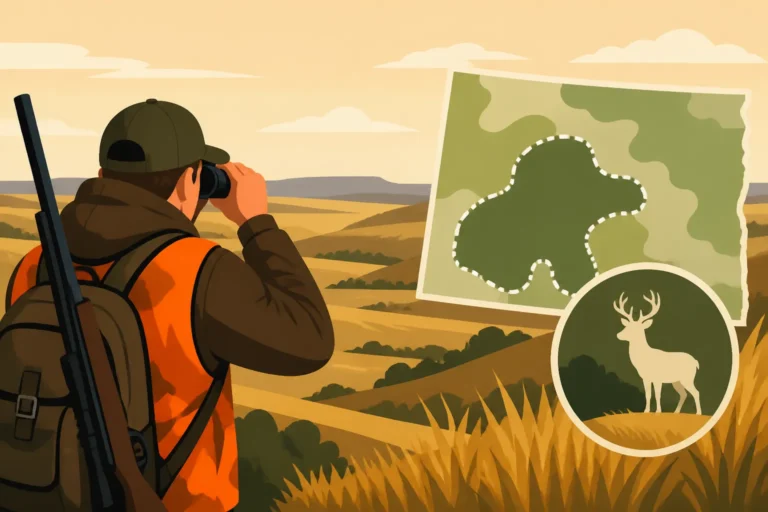
In today's hunting world, mapping apps are game-changers for understanding public land boundaries and access points. Tools like onX Hunt and GoHunt are invaluable for identifying Game Production Areas, seeing designated roads, and understanding land ownership. With onX Hunt, you can often toggle layers that show public land boundaries, specific GPA outlines, and even color-coded roads indicating where vehicle travel is permitted versus where it's foot traffic only. This can literally save you from making a wrong turn onto a prohibited road or accidentally driving into an area where vehicles are not allowed. Similarly, GoHunt provides detailed maps that can help you visualize the terrain and potential access routes before you even leave home. Many layers even show official GFP access points. Before every trip, I recommend spending some time with your preferred mapping app, studying the specific GPA you plan to visit. It’s a great way to E-Scouting Walk-In Areas Before the Season or any public ground for that matter.
Checking Official Sources
While mapping apps are fantastic, they are best used in conjunction with official sources from the South Dakota Game, Fish and Parks. The GFP website is a treasure trove of information, including interactive public hunting atlases that often show vehicle access roads, parking areas, and any temporary closures. Don't just rely on outdated information or hearsay. Take a few minutes to check the GFP's current website for the most up-to-date regulations specific to the GPA you're planning to hunt. And, of course, keep an eye out for physical signage at the GPA itself. Sometimes, a temporary closure or restriction might not yet be updated online, but a sign at the entrance will give you the most current information. Always respect those posted signs; they are there for a reason.
Respecting the Resource
Ultimately, following vehicle rules on GPAs boils down to a fundamental respect for the land, the wildlife, and your fellow hunters. These areas are vital for sustaining South Dakota's hunting opportunities, and every decision we make in the field has an impact. Driving responsibly, sticking to designated routes, and parking appropriately helps minimize disturbance to game, prevents habitat destruction, and ensures that these areas remain viable for generations of hunters to come. It also helps manage Hunting Pressure Patterns on Walk-In Areas and GPAs, keeping everyone's experience more enjoyable. Think of it as leaving no trace, but for your tires. Being a good steward of these public lands means making smart choices about where you drive, even if it means a longer walk to reach that prime cover.
Here’s a quick overview of common vehicle actions on GPAs:
| Action | Status on South Dakota GPAs | Notes |
|---|---|---|
| Driving on established gravel roads | Generally Permitted | Stick to clearly marked, maintained roads. |
| Parking in designated lots | Generally Permitted | Use marked parking areas; do not block gates or access points. |
| Driving on unmaintained two-tracks | Often Restricted or Prohibited | If it looks like an old field access, assume foot traffic only. |
| Driving through fields/grassland | Prohibited | Absolutely no off-road travel. Causes habitat damage and erosion. |
| Using ATVs/UTVs on designated roads | Permitted if road allows vehicles | Same rules as trucks; must stay on designated, open vehicle routes. |
| Recovering game off-road | Requires Specific Permission | Do NOT assume; must get prior authorization from GFP staff in most cases. |
| Driving during seasonal closures | Prohibited | Check signage and GFP website for seasonal road closures (e.g., mud season). |
Consequences of Violating GPA Vehicle Rules
While the vast majority of hunters are respectful and follow the rules, it's important to understand that there are real, tangible consequences for those who don't. These aren't just minor inconveniences; they can impact your hunting privileges and the quality of the hunting areas themselves.
Penalties and Fines
Breaking vehicle rules on a Game Production Area can lead to a range of penalties, from significant fines to the loss of hunting privileges. Conservation officers patrol these areas regularly, and they take violations seriously. Depending on the severity of the offense, you could be facing substantial monetary fines, court appearances, and even have your vehicle impounded. Furthermore, repeated or severe violations could result in a suspension of your hunting license, not just in South Dakota but potentially in other states through interstate compacts. It's simply not worth the risk. Always familiarize yourself with South Dakota Wildlife Violation Penalties and choose to err on the side of caution.
Impact on Access and Habitat
Beyond the personal penalties, violating vehicle rules has broader, negative impacts on our collective hunting future. When hunters disregard rules, it often leads to public backlash and increased pressure to restrict access even further. A single incident of off-road driving can cause lasting damage to sensitive habitats, compacting soil, destroying vegetation, and creating ruts that turn into erosion channels. This kind of damage can degrade the very habitat that makes GPAs so productive for wildlife, diminishing populations over time. It makes it harder for everyone to enjoy the resource. The GFP manages these lands with careful thought, and respecting their guidelines ensures that these vital areas remain open and healthy for future generations of hunters. It truly helps maintain access for all.
This article is for general informational purposes only and does not constitute professional advice. Laws, prices and regulations vary by location and change over time. Consult a qualified professional for guidance on your specific situation.