White River Country Hunting
The White River Country in South Dakota presents a unique challenge for hunters, with its rugged beauty and often remote stretches making for tough but rewarding pursuits. Many hunters, especially those new to the region, struggle to understand the nuances of its terrain and how game animals utilize it, leading to frustration and fewer opportunities. This guide is designed to peel back the layers of White River hunting, offering a deep dive into its landscape, game species, access points, and the specialized tactics you’ll need to punch your tag in this distinctive part of the state.
Understanding the White River Landscape
The White River carves its way through a fascinating part of South Dakota, primarily flowing through areas that transition from the rolling prairie into the more rugged badlands topography before it joins the Missouri River. This creates a diverse environment that's a far cry from the flat agricultural fields or dense timber stands found elsewhere. Knowing the lay of the land is your first step to success here.
Geographical Features and Their Impact on Wildlife
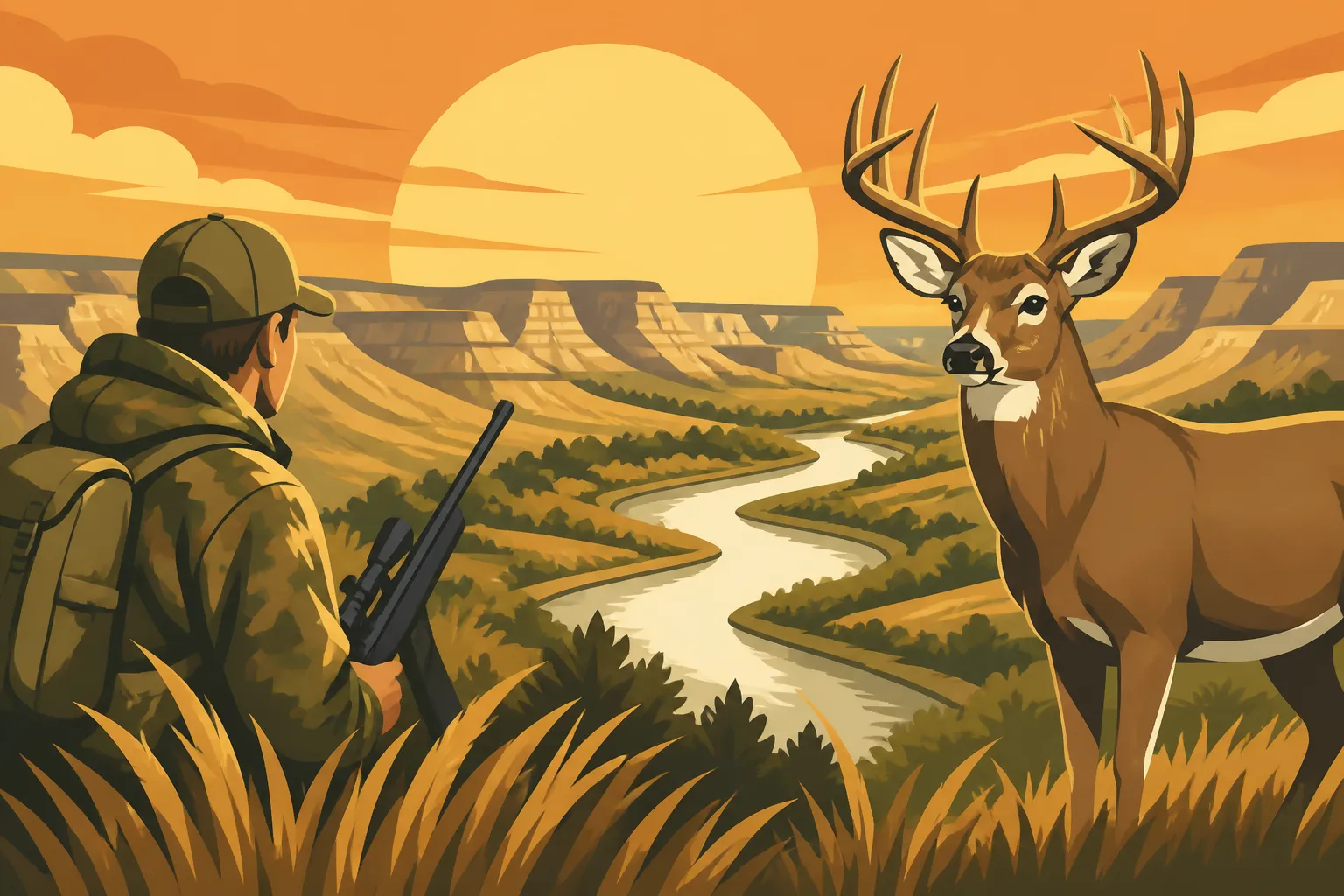
Picture a landscape characterized by deeply eroded coulees, steep clay bluffs, and draws that funnel into fertile river bottoms. That's the White River Country in a nutshell. Along the river itself, you'll find ribbons of cottonwood and willow trees, providing critical thermal cover and browse for whitetails, especially during harsh winters. These riparian zones are lifelines, drawing deer, turkeys, and countless other species for water and shelter. Away from the river, the landscape quickly rises into sagebrush flats, mixed-grass prairie, and the distinctive formations of the badlands in certain areas, which are prime mule deer habitat. The contrast between the lush river bottom and the arid uplands creates distinct habitat pockets. Bucks might bed high on a sunny bluff to catch the wind and watch for predators, then drop into the river bottom to feed under the cover of darkness. Understanding these micro-climates and terrain shifts is key to predicting game movement. Which Coulees Hold Bucks in Dry Years is a prime example of the kind of micro-detail that can make or break a hunt here.
The composition of the soil, predominantly clay and shale, means that rain can quickly turn trails into slick, impassable quagmires, and dry periods bake the ground to a concrete-like hardness. This impacts not only hunter access but also where animals will travel. Game often stick to the bottoms of draws and old two-track roads because they offer easier footing. Erosion is a constant force, shaping new cuts and ravines that can become natural travel corridors or impenetrable barriers. The presence of springs or seeps in hidden pockets within these coulees can be critical water sources, especially during dry spells, concentrating game in otherwise vast and empty spaces.
Seasonal Changes and Hunting Considerations
The White River Country experiences the full range of South Dakota seasons, each presenting its own set of challenges and opportunities. Early fall, during archery deer season, can be incredibly warm, making long stalks arduous and meat care a priority. The vibrant green of summer fades to the golden hues of autumn, and the river bottom's canopy still offers significant concealment. As rifle season approaches in late October and November, temperatures drop, and the cottonwood leaves begin to fall, opening up visibility in the river bottoms. This is when whitetails start thinking about the rut, and mule deer bucks become more visible on the breaks. The cool, crisp air makes for excellent scenting conditions for dogs, and human scent dissipates slower, so wind direction is paramount.
Winter in White River Country can be brutal, with deep snow and bitter winds, especially after a blizzard. This heavy snow pushes game, particularly deer, into the thermal cover of the river bottoms and sheltered draws. Late-season hunting, while physically demanding, can be incredibly productive as animals are concentrated. The stark, snow-covered landscape makes spotting game easier, but also means game can spot you from a long distance. Always remember the challenges of Hypothermia Risk on Open Prairie and plan accordingly with your layering. Spring brings green-up and turkey season, where calling tactics echo through the budding trees along the river. Each season demands a shift in strategy, gear, and physical preparedness.
Key Game Species and How to Hunt Them
The White River Country is a diverse habitat that supports a variety of game species, offering different hunting experiences depending on what you're after. While deer are undoubtedly the stars of the show, there are other opportunities to consider.
Mule Deer and Whitetails in the Breaks and River Bottoms
This region is renowned for its deer hunting, hosting both mule deer and whitetails, often in surprisingly close proximity. Mule deer typically prefer the higher, more open country of the breaks and sagebrush flats, where their keen eyesight and loping gait are perfectly suited to the undulating terrain. They'll often bed on sunny slopes with a view, relying on their senses to detect danger. Hunting mule deer here often involves extensive glassing from high vantage points, picking apart distant hillsides and draws for a tell-tale ear flick or the tines of an antler. Once spotted, a stalk can be incredibly challenging due to the open nature of the country and the broken terrain that offers limited cover. Using draws and topography to hide your approach is critical. Using Terrain to Close on a Mule Deer details how to execute these difficult stalks.
Whitetails, on the other hand, are creatures of the dense cover found in the river bottoms, along the creek channels, and within the isolated shelterbelts and tree claims dotting the landscape. They thrive in the thick brush, cottonwood groves, and willow thickets, using this cover for bedding, feeding, and escaping pressure. Hunting whitetails in the White River area often involves still-hunting slowly through these dense areas, paying close attention to wind direction, or setting up treestands or ground blinds in strategic locations along known travel corridors or pinch points. During the rut, bucks will cruise these river bottoms, checking for does, making calling tactics like rattling and grunting effective. Rattling and Grunting During the South Dakota Rut can be particularly exciting in these narrow strips of cover.
Upland Birds and Turkeys
While not as famous for pheasants as the East River, the White River Country still offers localized opportunities for upland bird hunting, particularly sharp-tailed grouse and Hungarian partridge, with pheasants often found closer to agricultural edges or in dense cattail sloughs along smaller tributaries. Grouse are typically found in the vast expanses of native prairie and sagebrush, often "holding tight" until flushed. Hunting them requires covering a lot of ground, often with a good bird dog, and being ready for a fast flush. Partridge, being smaller and often found in coveys, can be elusive but offer quick, challenging shots when they explode from cover. Always consult the current regulations for specific seasons and bag limits for these unique birds.
Wild turkeys are also a significant draw in the White River region, particularly along the river bottoms and in the broken country where timber meets prairie. Merriam's turkeys are most common in the more timbered Black Hills region, but hybrids and Eastern subspecies are found here, taking advantage of the cottonwood roosts and ample food sources. Spring turkey hunting involves classic calling tactics, trying to lure a gobbler within shotgun range. Fall hunting offers opportunities to hunt flocks, often by breaking them up and calling them back. The riverine habitat provides excellent roosting trees and dense cover for safety, making these areas prime turkey territory.
Accessing White River Public Lands
Finding places to hunt in the White River Country requires some homework and often a willingness to explore. While some areas are dominated by private land, there are crucial public access opportunities that savvy hunters utilize.
Walk-In Areas and Game Production Areas
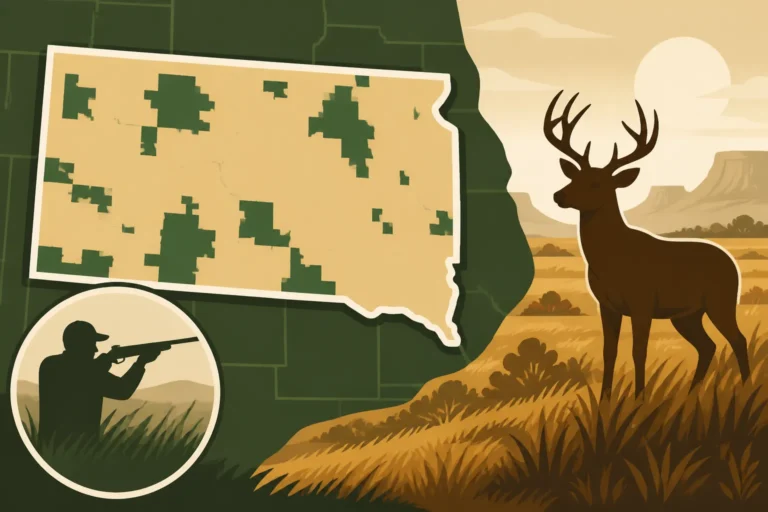
South Dakota's Walk-In Areas (WIAs) program is a godsend for hunters seeking access to private land without prior permission. Many landowners in the White River region enroll their property into this program, opening up thousands of acres to public foot traffic. These areas are clearly marked with distinctive yellow signs and can range from small blocks of grassland to extensive tracts of river breaks and coulees. Crucially, these areas are for foot traffic only, meaning you'll be earning your harvest on foot. Utilizing a mapping app like onX Hunt is absolutely essential here. It allows you to see WIA boundaries, property lines, and even landowner names, preventing accidental trespass and helping you navigate complex landscapes. You can download maps for offline use, which is critical given that cell coverage can be spotty to non-existent in some remote White River stretches.
Game Production Areas (GPAs) are another vital component of public access. These lands are owned and managed by the South Dakota Game, Fish and Parks (GFP) specifically for wildlife habitat and public hunting. GPAs in the White River Country often protect valuable river bottom habitat, prairie uplands, and unique badlands features. They are true public lands, open to hunting following state regulations. While they can sometimes experience more pressure than remote WIAs, they consistently hold game due to their managed habitat. Before heading out, always check the South Dakota Public Hunting Atlas online or through the mobile app for the most current maps and rules regarding WIAs and GPAs in the specific unit you plan to hunt. Hunting South Dakota Walk-In Areas provides a more detailed look at making the most of these opportunities.
National Grasslands and Corps of Engineers Lands
Portions of the White River run through or near the vast expanses of the Buffalo Gap National Grassland and the Fort Pierre National Grassland. These federal lands offer extensive public hunting opportunities for a variety of species, from deer and antelope to prairie grouse. The sheer scale of these grasslands means you can find solitude if you're willing to walk. While vehicle access is often available on designated roads, getting away from the main routes is usually where you'll find less pressured animals. Always carry detailed maps (again, onX Hunt is invaluable here) and understand the specific rules and regulations for hunting on National Grasslands, as they can differ slightly from state lands.
Additionally, as the White River approaches and eventually flows into the Missouri River, lands managed by the U.S. Army Corps of Engineers may provide additional access. These areas are typically associated with the mainstem Missouri River reservoirs but can extend up the White River itself. Access points can include boat ramps, primitive campsites, and designated hunting areas. Rules on these lands can vary, so it's always best to consult the local Corps office or their website for the most accurate information before planning a hunt. These lands can be excellent for waterfowl hunting, as well as providing additional deer habitat along the river's edge.
Essential Gear and Tactics for Success
Hunting the White River Country isn't just about knowing where the game lives; it's about being prepared for the environment and employing the right strategies. The terrain itself often dictates the gear you'll need and the tactics that will be most effective.
Footwear, Optics, and Pack Considerations
Given the rugged, broken nature of the White River Breaks and the emphasis on foot travel, your footwear is paramount. You need sturdy, waterproof boots with excellent ankle support and aggressive traction. The combination of slick clay, loose rock, and thorny brush demands a boot that can handle abuse and keep you comfortable through miles of walking. Wet weather can turn coulees into muddy traps, so a good pair of gaiters can also save your pants and boot tops from being covered in clinging mud.
Quality optics are not a luxury but a necessity for hunting the expansive, broken terrain. A good pair of 10x binoculars on a tripod or steady rest will allow you to pick apart distant hillsides and draws for mule deer. If you're going after whitetails in the denser river bottoms, 8x binoculars might be more practical for closer-range glassing through cover. A spotting scope can be invaluable for judging a deer at extreme distances, saving you a long walk on an animal that isn't what you're looking for. Rangefinding binoculars or a dedicated rangefinder are also non-negotiable for accurate shot placement across the wide-open spaces. You should also consider a subscription to a service like GoHunt for pre-season scouting tools and draw odds if you're considering special draw units nearby.
A well-fitted backpack is also crucial. Whether it's a small daypack for an afternoon hunt or a larger internal frame pack for packing out an animal, it needs to be comfortable and capable of carrying essentials. Water is often scarce, so carry more than you think you'll need, especially on warmer days. Other essentials include a first-aid kit, emergency shelter, fire starting materials, a knife, game bags, and enough food and layers to get you through an unexpected overnight stay. Remember, First Aid Kit for a Prairie Hunt is not just a suggestion, it's a requirement for safe hunting here.
Hunting Strategies for Diverse Terrain
The White River Country demands adaptability. For mule deer, spot-and-stalk is the name of the game. Get to a high point before first light and spend serious time glassing. Be patient; deer often emerge from bedding areas slowly or might be bedded in plain sight, camouflaged against the background. Once you spot a buck, plan your approach carefully, using every fold in the terrain to your advantage, paying close attention to wind direction. Wind Direction on a Prairie Stalk is absolutely crucial when closing the distance on an animal with such an acute sense of smell.
For whitetails, especially during the rifle season, a combination of still-hunting and stand hunting can be effective. Slowly slip through the river bottoms, pausing frequently to glass ahead and to the sides. Use the wind to your advantage, moving quietly and deliberately. If you have multiple hunters, small drives can push deer out of heavy cover, but always ensure safety and clear communication. Setting up a ground blind or treestand near active scrapes, rub lines, or known feeding areas in the river bottom can also pay off, particularly during the rut.
Regardless of the species, always remember to respect the land and other hunters. The White River Country is a special place, and taking care of it ensures future opportunities. Proper field dressing, especially in warmer weather, and knowing how to Get a Deer Out of a South Dakota Coulee will ensure your hard-earned meat doesn't go to waste.
Table: Common White River Game Species and Hunting Tactics
| Species | Preferred Habitat | Primary Hunting Tactic | Key Considerations |
|---|---|---|---|
| Mule Deer | High breaks, sagebrush flats, badlands formations | Spot-and-stalk | Long-range glassing, careful stalks, wind direction |
| White-tailed Deer | River bottoms, creek drainages, dense cottonwoods | Still-hunting, stand hunting | Cover utilization, rut activity, wind direction |
| Sharp-tailed Grouse | Native mixed-grass prairie, sagebrush | Walking/flushing with dogs | Covering ground, fast flushes, open country |
| Hungarian Partridge | Grasslands near agricultural fields, prairie edges | Walking/flushing with dogs | Covey behavior, quick shots, dense short cover |
| Wild Turkey | River bottoms, timbered draws, prairie fringes | Calling, ambushing near roosts | Roosting patterns, vocalizations, seasonal movements |
Disclaimer
This article is for general informational purposes only and does not constitute professional advice. Laws, prices and regulations vary by location and change over time. Consult a qualified professional for guidance on your specific situation.