Fort Pierre Grassland Prairie Grouse Hunting
There's something truly special, almost spiritual, about chasing prairie grouse across the expansive, rolling terrain of South Dakota's Fort Pierre National Grassland. It's a hunt that demands patience, keen observation, and a deep respect for the land, but it's also incredibly rewarding. However, many hunters, especially those new to this vast country, can feel overwhelmed by the sheer scale of the landscape and the elusive nature of these incredible birds. This guide aims to demystify prairie grouse hunting in the Fort Pierre Grassland, offering practical advice and strategies to help you find success and truly experience the magic of this unique pursuit.
The Allure and Challenges of Fort Pierre Grassland Grouse
The Fort Pierre National Grassland is an iconic landscape for anyone dreaming of an authentic prairie hunting experience. Stretching across central South Dakota, this massive expanse of public land is primarily managed for grazing, but it also provides critical habitat for a variety of wildlife, including the majestic prairie grouse. But don't let the "grassland" name fool you into thinking it's uniform. It's a complex tapestry of native prairie, draws, coulees, and subtle elevation changes, all of which play a role in where you'll find birds.
Vastness and Habitat Diversity
When you first drive onto the Fort Pierre Grassland, the sheer enormity of it can be daunting. Miles upon miles of seemingly endless grass stretch to the horizon, making it feel like finding a needle in a haystack. This isn't your typical pheasant hunt where birds are concentrated in distinct cover pockets like cattail sloughs or shelterbelts. Prairie grouse—primarily sharp-tailed grouse and occasionally greater prairie chickens—are creatures of the open prairie, blending seamlessly into their surroundings. They utilize the subtle nuances of the terrain: native tallgrass for nesting and roosting, shorter grass areas for dusting and foraging, and the protection offered by the breaks and draws. Understanding these micro-habitats within the vastness is your first step to success. It's about recognizing the subtle changes in grass height, the presence of rose bushes or buffaloberry, and the shelter provided by a slight depression in the land.
The beauty of this hunt is that it forces you to slow down and truly observe. You're not just walking; you're reading the land, trying to put yourself in a grouse's boots. A wide, gentle draw might hold birds hunkered down from the wind, while a flat, open expanse might be where they feed early in the morning. This diverse habitat also supports other species, so you're never sure what you might jump, adding to the excitement. It's a testament to the resilience of our wild places, offering a glimpse into what the prairie was like centuries ago.
Reading the Landscape for Birds
Successfully hunting prairie grouse on the Fort Pierre Grassland isn't just about covering ground; it's about covering the right ground. This means developing an eye for what attracts these birds. Sharp-tailed grouse especially love areas with a mix of taller, residual grass for cover and nesting, intermingled with shorter, seed-producing plants they can easily feed on. They will also seek out areas with some natural protection from predators and the elements. This often means focusing your efforts around the edges of draws, where the terrain breaks slightly, or in areas where taller grass creates dense cover.
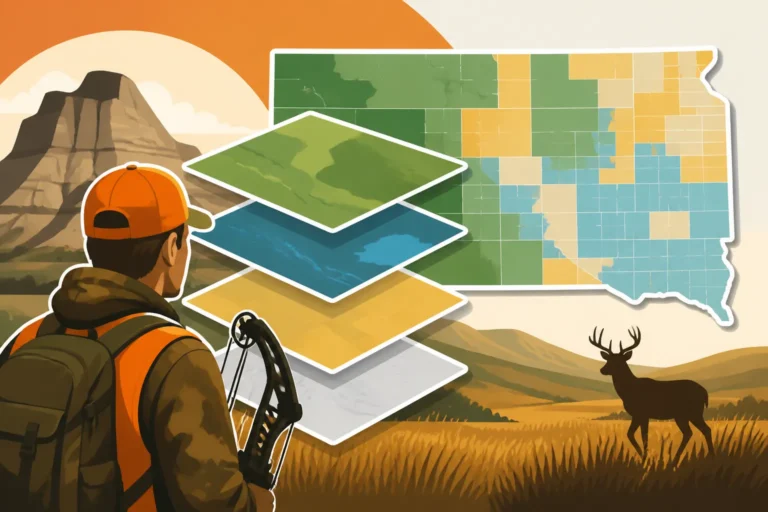
Consider the time of day and weather conditions. On a hot, sunny afternoon, birds might be tucked into the shade of a small clump of brush or down in the cooler air of a coulee. During cooler, breezy mornings, they might be more active on high points, dusting or feeding in exposed areas. Using mapping apps like onX Hunt can be incredibly beneficial here. You can identify contours, draws, and variations in vegetation from aerial imagery long before you set foot on the ground. This kind of e-scouting helps narrow down the truly vast landscape into manageable, promising sections. Don't overlook the subtle changes in elevation, even a few feet can mean the difference between open prairie and a protected pocket.
Strategic Approaches to Finding Prairie Grouse
Finding prairie grouse on the Fort Pierre Grassland demands a blend of careful observation, strategic walking, and often, the keen nose of a good bird dog. Unlike pheasants, which can often be found in predictable cover, grouse are more spread out and can be incredibly difficult to spot until they flush.
Glassing for Distant Birds
Before you even step out of your truck, or after hiking to a good vantage point, take time to sit and glass the landscape. This is a critical skill, especially in open country, and it can save you miles of walking. Prairie grouse often exhibit unique behaviors that can give away their location. Early in the morning, or late in the afternoon, you might spot them feeding or dusting on open flats or ridge tops. Look for movement, a subtle flash of white (from their feathered legs or undertail coverts), or the distinctive silhouette of a grouse against the sky.
Use a good pair of binoculars, 10×42 or 12×50 are excellent choices for covering large distances, and systematically scan sections of the prairie. Pay particular attention to areas where the habitat changes—the transition from short to tall grass, or the edges of draws. Sometimes, you'll see a bird flush wild, a good quarter-mile away, giving you a general direction to head. This method is also fantastic for spotting other game like Spot-and-Stalk Antelope Hunting in South Dakota or even a mule deer buck tucked into a draw. Remember that patience is key; grouse aren't always moving, and often appear as nothing more than a small, inconspicuous lump until they decide to stretch or shift.
Walking Productively and Dog Work
Once you've identified a promising area, or if glassing isn't yielding results, it's time to put boots on the ground. Productive walking for prairie grouse means covering ground systematically, but not aimlessly. Think about walking into the wind, if possible, to give your dog the best chance to scent birds and to help carry the sound of flushing birds away from you, potentially giving you an extra second to react. When moving through a large, flat expanse, consider walking in a zigzag pattern to cover more ground and disturb birds from different angles. Pay close attention to any subtle changes in vegetation or terrain, as these are often where birds will hold tight.
For many, a good bird dog is indispensable for prairie grouse hunting. Pointers can lock up on a bird, giving you time to approach for a shot, while flushers can cover ground and push birds into the air. However, the vastness of the prairie and the often-warm early season temperatures can be brutal on dogs. It's crucial to Keeping a Dog Cool on an Early Opener and carry plenty of water for them. Watch for signs of fatigue and provide regular breaks. A well-conditioned dog can be the difference between a successful hunt and a long, birdless walk. Even without a dog, careful walking and an observant eye can still turn up birds, but it definitely increases the challenge.
Understanding Grouse Behavior
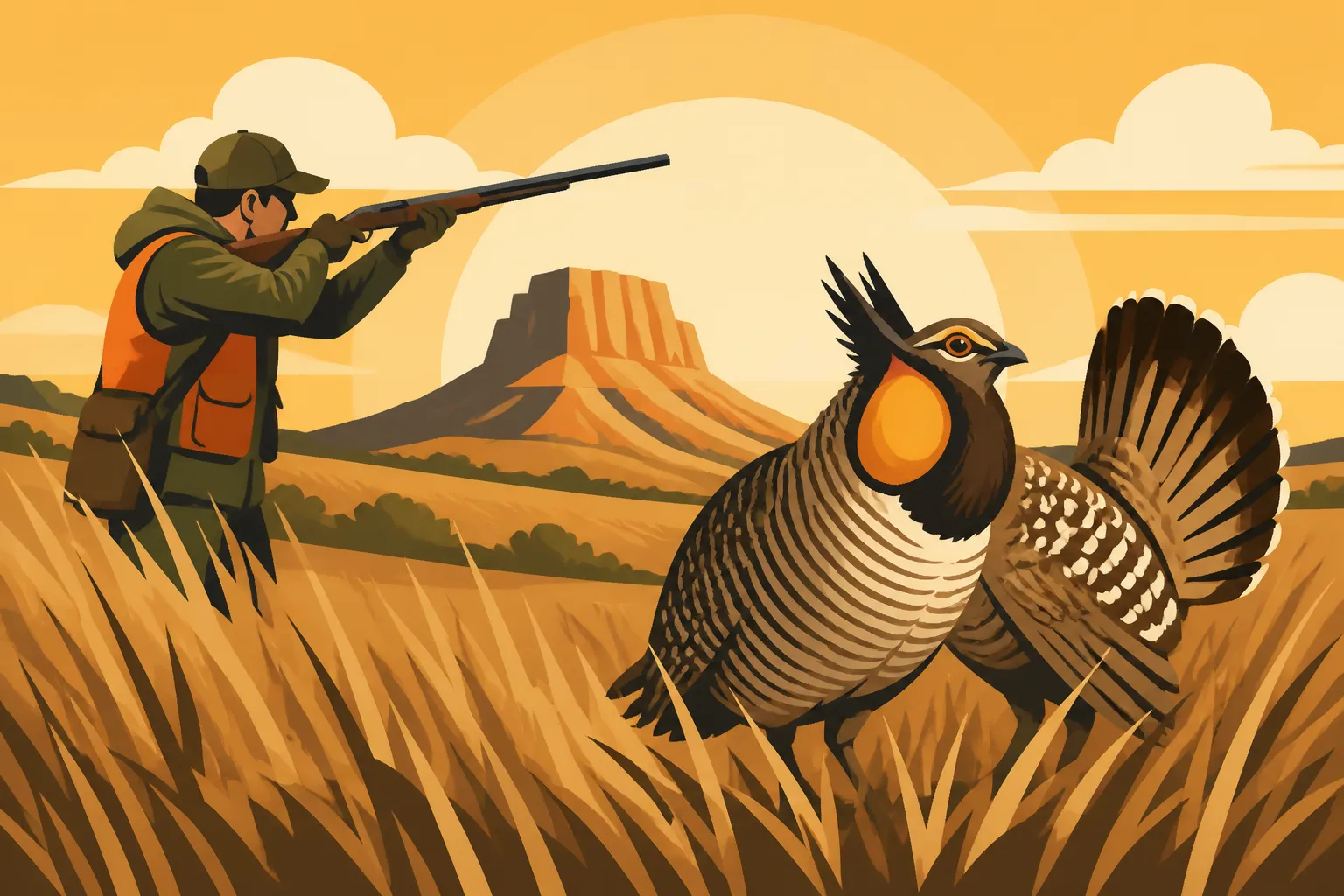
Prairie grouse, especially sharp-tails, can be tricky. They often hold incredibly tight, flushing just feet from your boots, startling you more than anything. Other times, they can be notoriously wild, flushing hundreds of yards out, often catching you completely off guard. Their behavior is often dictated by hunting pressure, weather, and time of season. Early in the season, birds might be more scattered and hold tighter. As pressure builds and the season progresses, they can become much warier. Sharp-Tailed Grouse and Prairie Chickens in South Dakota also show variations in how they react to hunters.
One common frustration is when a covey of grouse flushes, and you mark one down, only to find nothing there when you get to the spot. These birds are masters of concealment and will often run or fly a considerable distance after hitting the ground, then hunker down again. If you manage to mark a bird down, approach the area carefully, ready for another flush, and be prepared to cover more ground than you might initially think. If hunting with a dog, trust their nose; they might pick up scent from a running bird you couldn't possibly see.
Essential Gear and Navigational Tools for the Grassland Hunter
Hunting the Fort Pierre Grassland means being prepared for anything the South Dakota prairie can throw at you. This isn't a place for shortcuts on gear, as comfort, safety, and efficiency can make or break your hunt.
Footwear and Clothing
You will be doing a lot of walking, likely many miles a day, often over uneven terrain. Good quality, comfortable Boots for Walking Cattails All Day (or in this case, prairie grass and draws) are non-negotiable. Break them in well before your trip to avoid blisters. Many hunters prefer snake boots or gaiters, especially during the warmer early season, as rattlesnakes are present in this country. Support is key, as is breathability if you're hitting the early season.
Layering your clothing is always a smart strategy in South Dakota. Even if the forecast calls for warm weather, mornings can be chilly, and the wind can pick up dramatically, making a sunny day feel much colder. Choose durable, quiet fabrics that can withstand thorns, burs, and general wear and tear. Blaze orange is a crucial safety component, especially when hunting public land with other parties. Refer to local regulations for specific blaze orange requirements. A good vest with plenty of pockets for shells, water, and harvested birds is also incredibly useful. Think about how to effectively Layering for South Dakota Wind to stay comfortable throughout the day.
Mapping and GPS Technology
Navigating the vastness of the Fort Pierre Grassland without getting turned around, or inadvertently trespassing, requires excellent mapping tools. Physical maps are a good backup, but digital mapping apps have revolutionized public land hunting. Applications like onX Hunt are invaluable for identifying property boundaries, including the specific boundaries of the National Grassland, as well as private inholdings that might be adjacent. This helps ensure you're always hunting legally and avoiding unintentional trespass. You can also download maps for offline use, which is critical as cell service can be spotty at best in many parts of the grassland.
GoHunt is another excellent resource for planning and scouting, especially if you're looking at broader regional information. Using these tools to identify access roads, two-tracks, and potential parking spots is vital. Beyond avoiding trespass, they help you locate features like draws, subtle changes in elevation, and areas of thicker cover that birds might favor. Being able to mark waypoints for your vehicle, water sources, or a flushed covey can save you a lot of time and frustration. Learning how to properly Using the South Dakota Public Hunting Atlas in conjunction with commercial apps will give you a significant advantage.
Here's a quick comparison of the two primary prairie grouse you might encounter:
| Feature | Sharp-tailed Grouse | Greater Prairie Chicken |
|---|---|---|
| Size | Medium, smaller than a pheasant | Large, robust, similar to a small chicken |
| Plumage | Mottled brown, buff, and white; V-shaped markings | Barred brown and white; horizontal barring |
| Tail | Pointed, with two central feathers slightly longer | Short, rounded, dark brown |
| Legs | Fully feathered to the toes | Partially feathered |
| Display | Males inflate purplish air sacs on neck, stiff tail | Males inflate orange air sacs, erect neck feathers |
| Habitat | Mixed grass prairie, brushy draws, taller grass | Tallgrass prairie, agricultural edges, flatter areas |
| Typical Flush | Explosive, often with "cackling" calls | Strong, direct flight with rapid wingbeats |
| Distribution | Widespread across West River SD, including Fort Pierre | More localized in eastern SD (east river) |
Regulations, Seasons, and Respecting the Land
Before you head out, familiarize yourself with all the current regulations for hunting prairie grouse in South Dakota. This ensures a safe, legal, and enjoyable experience for everyone.
Licensing and Season Dates
All hunters, both residents and non-residents, will need the appropriate licenses. For non-residents, this typically involves a non-resident small game license. Additionally, a Habitat Stamp is required for most hunting activities in South Dakota. The season dates for prairie grouse can vary slightly year to year, so always check the most current South Dakota Game, Fish and Parks (SD GFP) regulations handbook. Pay particular attention to the opening and closing dates, as well as daily bag and possession limits. Generally, prairie grouse season often runs concurrently with the pheasant season, but specific dates and shooting hours can differ. Be aware of the South Dakota Hunter Safety Requirements as well; all hunters born after a certain date must complete a hunter safety course.
It's also crucial to understand the rules regarding shooting hours. For small game, these typically start at sunrise and end at sunset, but there might be specific nuances for different species or areas. Always double-check the handbook to avoid any accidental violations.
Respecting Boundaries and Fellow Hunters
Hunting the Fort Pierre Grassland is a privilege, and it comes with the responsibility of respecting the land and other users. As mentioned, utilizing mapping apps like onX Hunt or the official South Dakota Public Hunting Atlas is paramount for identifying public land boundaries and avoiding accidental trespass onto private property. Always be aware of your surroundings, especially when other hunters might be in the area. Common courtesy goes a long way. If you see another hunting party working an area, consider giving them space and finding another section to hunt. There's plenty of ground for everyone.
Remember that the National Grassland is also used by ranchers for cattle grazing. You might encounter cattle, fences, and gates. Always leave gates as you found them—if it was closed, close it; if it was open, leave it open. Pack out everything you pack in, including spent shell casings. Leaving no trace ensures these incredible public lands remain pristine for future generations of hunters. Being a good steward of the land is part of the hunting tradition, and it's particularly important in shared spaces like the Fort Pierre National Grassland.
Disclaimer
This article is for general informational purposes only and does not constitute professional advice. Laws, prices and regulations vary by location and change over time. Consult a qualified professional for guidance on your specific situation.