Public Hunting Land in South Dakota
One of the biggest anxieties for any hunter looking at South Dakota, especially if you're coming from out of state, is figuring out where you can actually hunt. The fear of trespassing, the confusion of mapping systems, and the sheer amount of private land can feel overwhelming. But here's the good news: South Dakota has an incredible amount of accessible public hunting land, and this guide is going to break down every type, how to find it, and how to make the most of it, helping you confidently navigate the prairie and forests.
Understanding South Dakota's Diverse Public Land Landscape
It’s easy to look at a map of South Dakota and think it’s all private, posted land, especially in the prime pheasant country. And yes, a significant portion is privately owned, often by farmers and ranchers who have worked that land for generations. But that doesn't mean public access is scarce. In fact, South Dakota boasts a fantastic array of public and publicly-accessible lands, each with its own characteristics and rules. The key isn't just knowing that there's public land, but understanding what kind of public land it is, and how to approach each type. This knowledge is your best friend for a successful and legal hunt.
The Different Flavors of Public Hunting Opportunities
South Dakota isn't a one-size-fits-all public land state. Instead, it offers a rich tapestry of hunting opportunities spread across various land designations, each managed by different entities and with distinct purposes. You've got state-run programs focused on immediate access, federal lands designed for multiple uses, and even lands managed by other state agencies that allow hunting. It’s a lot to keep straight, and I completely get that it can feel like a bureaucratic maze, especially if you're used to hunting national forests or BLM land out West. The trick is to familiarize yourself with these categories, so when you look at a map, you immediately know what you're dealing with and what rules apply. It really changes your strategy from scouting to execution.
Why Knowing the Land Type Matters for Your Hunt
Imagine driving past a prime piece of habitat, seeing no "No Hunting" signs, and pulling over, only to realize later it was school trust land with different access rules than a Walk-In Area, or even private land that just hadn't been posted yet. This kind of mistake can ruin a hunt and even lead to legal trouble. Knowing the specific type of public land you’re on isn’t just about staying legal; it’s about understanding the habitat you’re likely to encounter, the potential for hunting pressure, and the specific regulations that might impact your game plan. For example, some areas might prohibit motorized vehicles, while others might allow dispersed camping. Some lands are managed specifically for wildlife habitat, while others are primarily for grazing or timber, with hunting being a secondary use. Every detail, from weapon restrictions to allowed activities, can vary.
Navigating Walk-In Areas (WIAs) – A Hunter's Best Friend
If you're looking to hunt pheasants, deer, or even waterfowl in South Dakota, the Walk-In Area (WIA) program is an absolute game-changer. It's often the first type of public access hunters, especially non-residents, think of, and for good reason. The South Dakota Game, Fish and Parks (GFP) partners with private landowners, paying them to open their private land to public foot traffic for hunting access. This is incredibly beneficial because it takes some of the pressure off the traditional public lands and spreads hunters out, providing access to prime habitat that would otherwise be locked up. South Dakota Walk-In Areas Explained is a great resource if you want to dive deeper into the program itself.
How Walk-In Areas Work and What to Expect
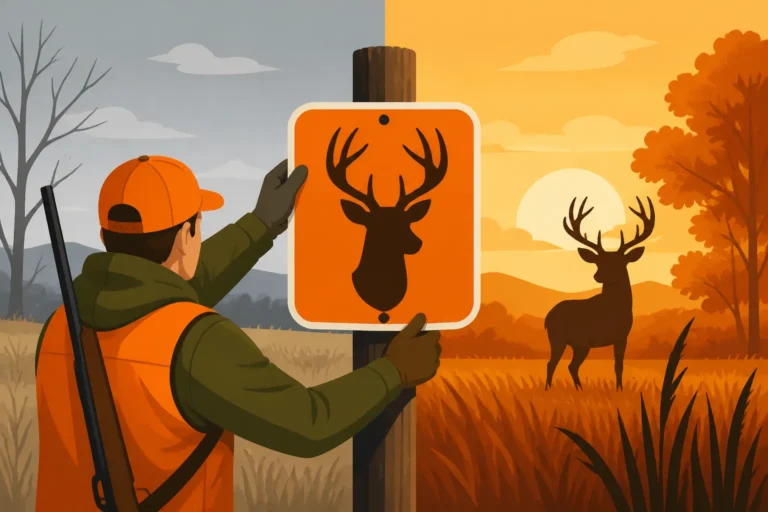
The beauty of WIAs is their simplicity: look for the yellow signs with the pheasant logo, and you’re generally good to go for foot traffic. These areas are typically leased for a hunting season, meaning the boundaries and available acreage can change year to year. That’s why using the most current maps is crucial. You'll often find these areas are marginal agricultural lands, cattail sloughs, shelterbelts, grasslands, and food plots that provide excellent habitat. The hunting pressure can vary wildly; some WIAs are hunted heavily, especially close to roads or popular towns, while others see very little traffic if they require a longer walk or are in less-traveled areas. It's truly a mixed bag, and that's part of the adventure.
When you pull up to a WIA, always double-check the signage. While most are open to various types of hunting, some might have specific restrictions or be designated for particular species. For instance, a WIA dominated by a large cattail slough might be ideal for pheasants, while another with dense timber along a river could offer excellent deer hunting. The key takeaway is that these lands are specifically set aside for hunting access, which makes them incredibly valuable. They really do feel like an extension of true public land, even if they're technically private.
Tips for Successfully Hunting Walk-In Areas
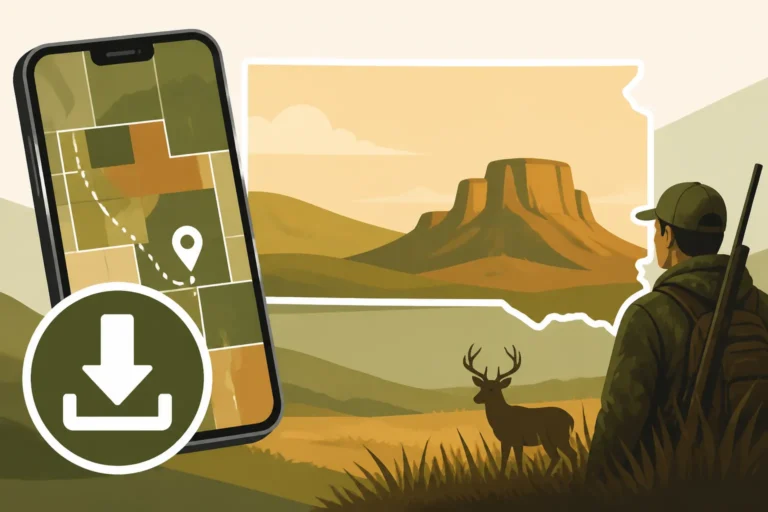
Success on WIAs often comes down to strategy and planning. First and foremost, you absolutely need the most current South Dakota GFP Public Hunting Atlas. This is available online and through mobile apps, often with real-time updates. Brands like onX Hunt integrate these WIA boundaries directly into their mapping software, which is invaluable. You can literally see property lines and WIA boundaries on your phone in the field, making it nearly impossible to trespass inadvertently. Before you even set foot on the ground, use these digital tools to E-Scouting Walk-In Areas Before the Season. Look for areas that are harder to access, require longer walks, or are tucked away from main roads. These often hold less pressured game.
During the hunt, remember that WIAs are strictly foot traffic only. No ATVs, no vehicles, just your boots on the ground. This often means packing light and being prepared for a good hike. Consider going deeper than most hunters, especially on opening weekend or popular days. Many hunters will work the edges, so pushing further into a large WIA can pay off. Also, be mindful of other hunters. WIAs are shared resources, and courtesy goes a long way. If you see another party working a field, find another one. There's plenty of ground out there, and Hunting Pressure Patterns on Walk-In Areas can be intense, so dispersing helps everyone.
Exploring Game Production Areas (GPAs) for Diverse Opportunities
Beyond the temporary leases of Walk-In Areas, South Dakota also has permanently owned and managed public lands known as Game Production Areas (GPAs). These are state-owned tracts of land, acquired and managed by the South Dakota Game, Fish and Parks (GFP) specifically for wildlife habitat and public recreation, including hunting. Think of GPAs as the bedrock of South Dakota's public land system – reliable, consistent, and often teeming with wildlife because they are actively managed for it.
What Makes Game Production Areas Unique
GPAs are distinct from WIAs because they are truly public land, owned outright by the state. This means their boundaries generally don't change year to year, providing a stable foundation for scouting and hunting plans. GFP actively manages these areas to enhance habitat for a variety of game species, from pheasants and deer to waterfowl and upland birds. You'll often find diverse habitat types within a single GPA, including native grasslands, food plots, tree belts, wetlands, and croplands. This intentional management makes them incredibly productive for wildlife.
Because they are state-owned, GPAs are generally well-marked with signs indicating their public status. Access rules are typically straightforward: open to public hunting and fishing, usually for foot traffic only, though some larger areas may have designated parking or access points. They are a reliable go-to for many hunters, and you can almost always count on them being there next season. South Dakota Game Production Areas are vital pieces of the hunting puzzle across the state, offering fantastic opportunities year after year.
Strategies for Hunting Within GPAs
Hunting GPAs requires a similar mindset to WIAs in terms of foot traffic, but with an added layer of understanding about habitat management. When scouting, pay close attention to the habitat diversity within a GPA. A large block of native grass might hold pheasants and sharp-tailed grouse, while a nearby food plot or shelterbelt could be a magnet for whitetail deer, especially in the late season. Wetlands within a GPA are obvious draws for waterfowl. Use aerial maps from sources like GoHunt or onX Hunt to identify these different cover types and plan your approach. Look for transition zones where different habitats meet, as these are often hot spots for game movement.
One common frustration on GPAs is hunting pressure. Because they are permanent and well-known, some popular GPAs, especially those in prime pheasant country or close to urban centers, can see heavy hunter traffic. To mitigate this, consider hunting during weekdays if your schedule allows, or be willing to walk further than most. Parking your vehicle slightly further away and making a longer trek into the interior of a GPA can often lead you to less disturbed pockets of game. Also, don't overlook smaller, more isolated GPAs; sometimes these hidden gems hold unpressured birds or deer simply because they're not on everyone's radar.
Hunting the Vast National Grasslands and Forests
Beyond state-managed lands, South Dakota is also home to significant federal properties, including expansive National Grasslands and the iconic Black Hills National Forest. These lands offer a completely different hunting experience compared to the smaller, often fragmented state and WIA properties, especially for big game like mule deer, antelope, and elk.
National Grasslands: Wide-Open Spaces for Western Game
The National Grasslands in South Dakota, such as Buffalo Gap, Fort Pierre, and Grand River, are vast tracts of federal land managed by the U.S. Forest Service. These are true open-country hunting grounds, characterized by rolling prairies, sagebrush flats, and dramatic coulees. They are primarily found in West River South Dakota and offer incredible opportunities for species like mule deer, whitetail deer (especially in riparian zones), and pronghorn antelope. National Grasslands Hunting in South Dakota provides a great overview of these areas.
Hunting these grasslands is a game of vast distances and keen eyesight. You'll often cover miles, either on foot or by strategically using designated vehicle trails (always check motor vehicle use maps!). The challenge is finding game in such immense landscapes and then executing a successful stalk. Unlike the smaller cover of eastern South Dakota, game here can see you coming from a mile away, literally. Success hinges on glassing, using terrain features to your advantage, and being patient. Dispersed camping is often permitted, allowing for multi-day hunts deep in the backcountry, which can be an incredible experience away from the crowds.
Black Hills National Forest: A Mountain Hunter's Paradise
Shifting gears entirely, the Black Hills National Forest in western South Dakota offers a stark contrast to the prairie. This mountainous region, covered in Ponderosa pine, aspen, and oak, provides critical habitat for elk, mule deer, whitetail deer, mountain lions, and even bighorn sheep and mountain goats (though tags for the latter are exceedingly rare). Hunting the Black Hills is a truly unique experience within the state, feeling more like a Western mountain hunt than a prairie endeavor.
Access in the Black Hills is generally good, with a network of forest roads and trails. However, navigating the dense timber and steep terrain can be challenging. For species like elk, silence and stealth are paramount, often requiring extensive hiking away from roads. Black Hills National Forest Hunting is a whole different ballgame compared to the open prairie. Understanding the topography, finding bedding areas, and knowing how to call game in the timber are essential skills here. Using topographic maps and apps like onX Hunt to identify saddles, ridges, and drainages will be crucial for planning your movements and finding game in this rugged landscape.
Missouri River System and Waterfowl Production Areas
The mighty Missouri River, often referred to as South Dakota's "Great Lakes," and the numerous Waterfowl Production Areas (WPAs) scattered across the prairie, provide essential hunting grounds, especially for migratory birds but also for deer and other upland species. These areas represent critical habitat corridors and breeding grounds that concentrate wildlife, offering unique opportunities for hunters.
Hunting Along the Missouri River Reservoirs
The four main reservoirs along the Missouri River—Lake Oahe, Lake Sharpe, Lake Francis Case, and Lewis and Clark Lake—create a massive waterfowling flyway and incredible deer habitat along their shorelines and river breaks. The land managed by the U.S. Army Corps of Engineers along these reservoirs is generally open to public hunting. This includes shoreline areas, islands, and the rugged timbered draws and bottomlands that feed into the river. Missouri River Hunting Access in South Dakota is a fantastic resource for understanding these unique opportunities.
For waterfowl hunters, the Missouri River is a magnet for ducks and geese, especially during the fall migration. Setting up decoys along the shorelines, in hidden bays, or jump-shooting smaller feeder creeks can be highly effective. For deer hunters, the dense river bottom timber and adjacent agricultural fields create prime whitetail habitat. These areas often hold mature bucks due to the cover and food sources. Access can sometimes require a boat, particularly for islands or remote stretches, but many areas are accessible by vehicle and foot. Always be aware of fluctuating water levels, which can impact access and habitat.
Waterfowl Production Areas: Prairie Pothole Gold
Scattered throughout eastern and central South Dakota, Waterfowl Production Areas (WPAs) are smaller, federally owned tracts of land managed by the U.S. Fish and Wildlife Service. These areas are specifically acquired and managed to protect vital prairie pothole wetlands and associated grasslands, which are crucial for breeding ducks and other migratory birds. While their primary purpose is waterfowl habitat, WPAs are also open to public hunting for upland birds like pheasants and grouse, and often for deer as well.
Hunting WPAs offers a concentrated experience. You'll find a mosaic of potholes, sloughs, and dense grass, making them fantastic for walking up pheasants or setting out a small duck spread. Because they are often small and numerous, they can sometimes be overlooked by hunters seeking larger tracts of land. This makes them excellent candidates for E-Scouting; look for WPAs that are slightly off the beaten path or require a bit of a walk, as these might hold less pressured game. Always check the specific rules for each WPA, as some may have special regulations or closures during certain times of the year, particularly during nesting seasons or for refuge purposes.
School and State Trust Lands: Often Overlooked Opportunities
Many hunters, particularly those new to South Dakota, might not be aware of School and Public Lands, often referred to as "School Trust Lands." These are tracts of land, typically marked by yellow posts, that were granted to the state by the federal government at statehood to generate income for public education. While they are not primarily managed for hunting, many are open to public access for recreational purposes, including hunting.
Understanding School and Public Lands
These lands are administered by the South Dakota Commissioner of School and Public Lands. They are generally leased for agricultural purposes, such as grazing or farming, but public recreational use is allowed unless specifically posted otherwise. The critical distinction is that these lands often appear like private land, with cattle or crops, and may not have the familiar "Public Hunting" signs of WIAs or GPAs. Instead, they are typically marked by yellow posts or signs indicating their status as "School and Public Lands."
The challenge and opportunity with these lands lie in their often-random distribution. They are frequently scattered throughout the state, sometimes as isolated sections (640-acre blocks) within larger swaths of private land. This can make them harder to identify without a good mapping tool, but also means they can be less pressured. Game, particularly pheasants and deer, will certainly use these parcels, especially if they offer good cover or food sources adjacent to private property. Just remember to be diligent with your mapping and verify access.
Strategies for Hunting State Trust Lands
Hunting School and Public Lands requires careful map work. This is where a reliable mapping app like onX Hunt becomes absolutely indispensable. It clearly delineates these parcels, allowing you to identify them even when they're surrounded by private property. When planning your hunt, look for these yellow-posted lands that butt up against other public hunting areas or natural habitat features like creeks, shelterbelts, or larger blocks of CRP. These transition zones are often prime for game movement.
It's crucial to respect the agricultural leaseholders on these lands. You might encounter cattle, fences, or active farming operations. Leave gates as you find them, avoid driving off-trail, and certainly don't disrupt livestock. While hunting is permitted, treating the land with respect helps ensure these access opportunities continue. These lands are truly diamonds in the rough for informed hunters, providing additional acres that many might overlook simply because they don't jump out as "hunting land" in the traditional sense.
Maximizing Your Public Land Hunt with Technology and Strategy
Hunting South Dakota's public lands, whether they're WIAs, GPAs, National Grasslands, or even School Trust Lands, becomes significantly more efficient and enjoyable when you leverage modern technology and employ smart hunting strategies. The days of relying solely on paper maps are largely behind us, and for good reason—digital tools offer unprecedented clarity and real-time information.
Essential Mapping and Scouting Tools
In this day and age, a robust digital mapping application is non-negotiable for hunting South Dakota. Programs like onX Hunt or the South Dakota GFP's own Public Hunting Atlas app are absolute lifesavers. These apps show precise property boundaries, public land designations (WIAs, GPAs, National Grasslands, School Trust Lands), roads, and topographic features. You can download maps for offline use, which is critical because cell service can be spotty in remote prairie areas. Being able to see exactly where you are relative to a property line instills immense confidence and prevents accidental trespassing, which is a major concern for many hunters. Finding Property Lines in South Dakota is made infinitely easier with these tools.
Beyond just showing boundaries, these apps allow you to mark waypoints, track your movements, and even analyze satellite imagery. Before you ever leave home, you can spend hours e-scouting, looking for cover, water sources, natural funnels, and potential access points. Reading Aerial Imagery for Cattail Cover can help you pinpoint those thick pheasant haunts, while looking at topography can reveal hidden coulees where deer might bed. This pre-hunt preparation is often the difference between a frustrating search and a productive hunt.
Strategic Approaches for Different Public Land Types
Your strategy should adapt to the type of public land you're hunting. For WIAs and smaller GPAs in pheasant country, focus on covering ground, especially the thickest cover. Work windrows, cattail sloughs, and dense grass strips. Consider using blockers if you have a group, or zig-zagging patterns if you're solo or with a dog. For larger National Grasslands, your focus shifts to long-range glassing. Find high points, use good optics, and be prepared for patient spot-and-stalk tactics for deer and antelope. For the Black Hills, understanding terrain, animal sign, and being prepared for physically demanding hunts is key.
Regardless of the land type, always have a plan for egress and safety. Let someone know where you're going and when you expect to return. Carry a first-aid kit, plenty of water, and emergency communication. And remember, public land often means other hunters. Being courteous, giving other parties space, and understanding shared resources will make everyone's experience better. Consider hunting during off-peak times or seasons to avoid crowds on popular spots. Scouting South Dakota Public Ground Before the Season is a crucial step to identify those less pressured areas.
| Public Land Type | Primary Game Species | Typical Habitat | Access Rules (General) | Key Strategy |
|---|---|---|---|---|
| Walk-In Areas (WIAs) | Pheasants, Whitetail, Waterfowl | Crop fields, grasslands, sloughs | Foot traffic only | E-scout for remote pockets, cover lots of ground |
| Game Production Areas (GPAs) | Pheasants, Deer, Waterfowl | Managed grasslands, food plots, wetlands | Foot traffic only | Identify diverse habitat, hunt transition zones |
| National Grasslands | Mule Deer, Antelope, Prairie Grouse | Open prairie, sagebrush, coulees | Vehicle on trails, foot travel | Glassing, spot-and-stalk, cover vast distances |
| Black Hills Nat. Forest | Elk, Mule Deer, Whitetail | Pine forests, steep ridges, drainages | Vehicle on roads, foot travel | Topo maps, stealth, patience, physical fitness |
| Missouri River System | Waterfowl, Whitetail | River bottom timber, shorelines | Boat/vehicle access, foot travel | Decoys for birds, still-hunting for deer |
| School & State Trust Lands | Pheasants, Deer, Waterfowl | Agricultural, grasslands, wetlands | Foot traffic unless posted | Verify boundaries with app, respect agriculture |
Respecting the Land and Other Hunters: Ethics and Etiquette
Hunting public land in South Dakota is a privilege, not a right. With that privilege comes a significant responsibility to respect the land, its wildlife, and other outdoor enthusiasts. Especially in a state like South Dakota, where public access is so interwoven with private property and agricultural operations, ethical behavior isn't just a suggestion; it's vital for maintaining these opportunities for future generations.
Leave No Trace and Environmental Stewardship
The "Leave No Trace" principles are paramount when hunting public lands. This means packing out everything you pack in, including spent shell casings, food wrappers, and any trash. It also extends to minimizing your impact on the land itself. Avoid damaging fences, gates, or other infrastructure. If you open a gate, close it. If you're Camping on South Dakota Public Land, ensure your campfire is completely extinguished, and follow all regulations regarding dispersed camping or designated campsites.
Environmental stewardship also means being mindful of the impact of your hunting. Don't unnecessarily disturb sensitive habitats, and always ensure you're practicing ethical shot placement to minimize suffering and maximize recovery. The health of the land and its wildlife populations depends on all of us being responsible custodians.
Hunter Safety and Courtesy in Shared Spaces
Public land means shared space. You're likely to encounter other hunters, hikers, bird watchers, or even landowners working their property. Always exercise extreme caution with firearms, adhering to all hunter safety rules, including knowing your target and what's beyond it. Never shoot across roads or towards occupied buildings. Blaze orange requirements, especially during pheasant season, are there for a reason – wear it.
Courtesy goes a long way. If you arrive at a WIA or GPA and see another hunting party already working a field, find another spot. Don't crowd them or jump in front of their drive. A simple wave or nod can establish good rapport. Communication, if appropriate, can help prevent conflicts and ensure everyone has a safe and enjoyable experience. For example, if you're working a cattail slough and another party approaches, a quick conversation about your intentions can prevent misunderstandings. Remember, we're all out there to enjoy the outdoors, and a little respect makes everyone's day better.
Disclaimer
This article is for general informational purposes only and does not constitute professional advice. Laws, prices and regulations vary by location and change over time. Consult a qualified professional for guidance on your specific situation.