Game You Cannot Hunt in South Dakota
South Dakota is an incredible place for hunters, drawing people from all over the country with its legendary pheasant fields, trophy deer, and vast open spaces. It’s a state that truly celebrates its hunting heritage. However, amidst all the excitement of planning a trip or dreaming about big game, it’s easy to get caught up in what is available and forget to consider what isn't. Many new hunters, or even seasoned veterans from other states, often wonder about species they might encounter or have heard about, only to find out there’s no hunting season for them. This guide aims to clear up that confusion, diving deep into the animals you generally cannot hunt in the Mount Rushmore State and explaining why.
Understanding South Dakota's Non-Game and Protected Species
When we talk about hunting, we’re inherently talking about game animals—those species specifically managed by the state for recreational take. But the wild places of South Dakota are teeming with a vast array of other creatures, each playing a vital role in the ecosystem. These are often categorized as non-game or protected species, meaning they are not subject to hunting seasons, and in many cases, are strictly protected by law. It’s crucial for every hunter to understand these distinctions, not only for legal compliance but also out of respect for the diverse wildlife that makes South Dakota so special.
The Definition of "Non-Game" Animals
In the world of wildlife management, "non-game" simply refers to species that are not classified as game animals. This isn't a slight against their value or importance; it just means they aren't managed for harvest through hunting. South Dakota’s landscape supports an incredible variety of these species, from the tiniest shrews darting through grass to majestic raptors soaring overhead. These animals contribute significantly to the ecological balance, acting as pollinators, pest controllers, scavengers, or integral parts of the food web. Hunting seasons, bag limits, and specific regulations just don't apply to them.
Think about the myriad of songbirds that fill the spring air with music, or the countless small rodents and reptiles that form the base of the food chain for everything from coyotes to hawks. You'll also find various species of bats flitting through the twilight, frogs and toads singing near wetlands, and salamanders hiding under logs. While a curious hunter might spot a badger digging in a field, a raccoon foraging near a river, or even some of the smaller furbearers, these often fall under trapping regulations or specific pest control rules, not traditional hunting seasons. The general rule of thumb is, if it's not explicitly listed in the hunting regulations as a game animal with an open season, it's considered non-game and cannot be hunted.
State and Federally Protected Wildlife
Beyond the general category of non-game animals, there are specific species that receive heightened protection under state and federal laws. These are often listed as endangered, threatened, or species of concern, reflecting their precarious population status or unique ecological vulnerability. The protection for these animals is stringent, and any harm to them can result in severe legal penalties, including hefty fines and even imprisonment. It’s a serious matter, and hunters must always be vigilant to identify protected species to avoid accidental infractions.
One of the most famous examples in South Dakota is the black-footed ferret, a critically endangered species that relies heavily on prairie dog colonies for survival. These fascinating creatures are under intense conservation efforts, and disturbing them or their habitat is strictly prohibited. Similarly, certain bird species like the piping plover, which nests on sandbars along the Missouri River, or the magnificent whooping crane, which occasionally migrates through the state, are federally protected. Even the bald eagle, while thankfully recovered from its endangered status, remains protected under federal acts, meaning you cannot hunt, harass, or possess their parts without permits. Knowing the conservation status of local wildlife is a crucial part of being a responsible outdoor enthusiast. You can often find detailed information about these species through the state's wildlife agencies, which publish resources similar to the South Dakota Hunting Handbook Release.
Game Species Not Present or Without Huntable Populations
One of the most common questions from hunters exploring new territories like South Dakota revolves around what "big" animals might roam the landscape. While South Dakota boasts an impressive array of big game, including trophy mule deer, whitetails, antelope, and limited elk, there are certainly some iconic North American species that simply aren't found here in huntable numbers, or at all. This isn't due to a lack of effort or management, but rather fundamental ecological factors like habitat, climate, and historical range.
Animals Outside South Dakota's Natural Geographic Range
Many hunters, especially those new to the region, often wonder about charismatic megafauna that thrive in other parts of North America but simply don't call South Dakota home. The state’s diverse landscapes—from rolling prairies to the Black Hills—support a unique ecosystem, but it doesn’t provide the specific habitat requirements for every large mammal. For instance, if you're dreaming of a moose hunt, you'll need to look much further north. While there have been extremely rare, transient sightings of a moose wandering into South Dakota from neighboring states, these are isolated incidents, not indicative of an established, breeding population. Consequently, there are no moose hunting seasons, nor are there likely to be in the foreseeable future. You can learn more about these rare sightings by reading Are There Moose in South Dakota?.
Similarly, animals like wolverines, which prefer remote, high-alpine environments, are not found in South Dakota. Grizzly bears, a symbol of the wild West, also do not have established populations in the state, despite the historical presence of bears in other parts of the West. These animals simply aren't part of South Dakota's natural, huntable wildlife complement. Their absence is a testament to the distinct ecological boundaries that shape animal distribution across the continent, reminding us that each state offers its own unique set of hunting opportunities determined by its specific environment.
Transient or Unestablished Predator Populations
The presence of large predators is a topic that often sparks considerable interest and debate among hunters. South Dakota does have healthy populations of coyotes and fox, which are managed as furbearers and predators, offering excellent hunting opportunities. However, other large carnivores that might inhabit neighboring states or have historical ties to the region either do not have established populations here or are not managed for hunting. This distinction is crucial for understanding what you can and cannot pursue.
A prime example is the gray wolf. While wolves have made remarkable comebacks in other parts of the Rocky Mountain West and Great Lakes region, South Dakota does not have established, breeding wolf packs. There have been occasional dispersals of individual wolves from populations in states like North Dakota or Minnesota, leading to rare sightings in eastern South Dakota. However, these are typically solitary animals passing through, not settled populations that would support a hunting season. As such, there is no open hunting season for gray wolves in South Dakota, and any encounters should be appreciated for their rarity without any thought of harvest. For further insight into these occurrences, check out Wolf Sightings in South Dakota. This situation highlights the dynamic nature of wildlife populations and the cautious approach wildlife agencies take before establishing hunting seasons for recovering or transient species. While mountain lions do exist in the Black Hills and can be hunted with a specific, limited tag, they are a resident species with an established population, and thus fall outside the "cannot hunt" category for this discussion.
The Reality of "Virtually Unhuntable" Opportunities
While the previous sections covered species that are legally protected or simply not present, there's another category of animals that, while technically huntable, are so incredibly difficult to draw a tag for that they often feel "unhuntable" to the average hunter. This distinction is important because it acknowledges that the opportunity exists on paper, but the practical reality for most individuals, especially non-residents, is that these tags are exceptionally rare, highly competitive, or come with once-in-a-lifetime restrictions.
The Rarity of Once-in-a-Lifetime Tags
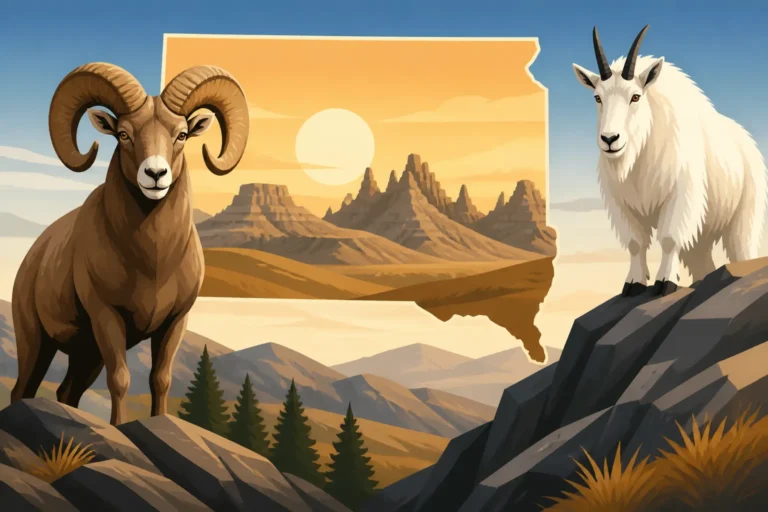
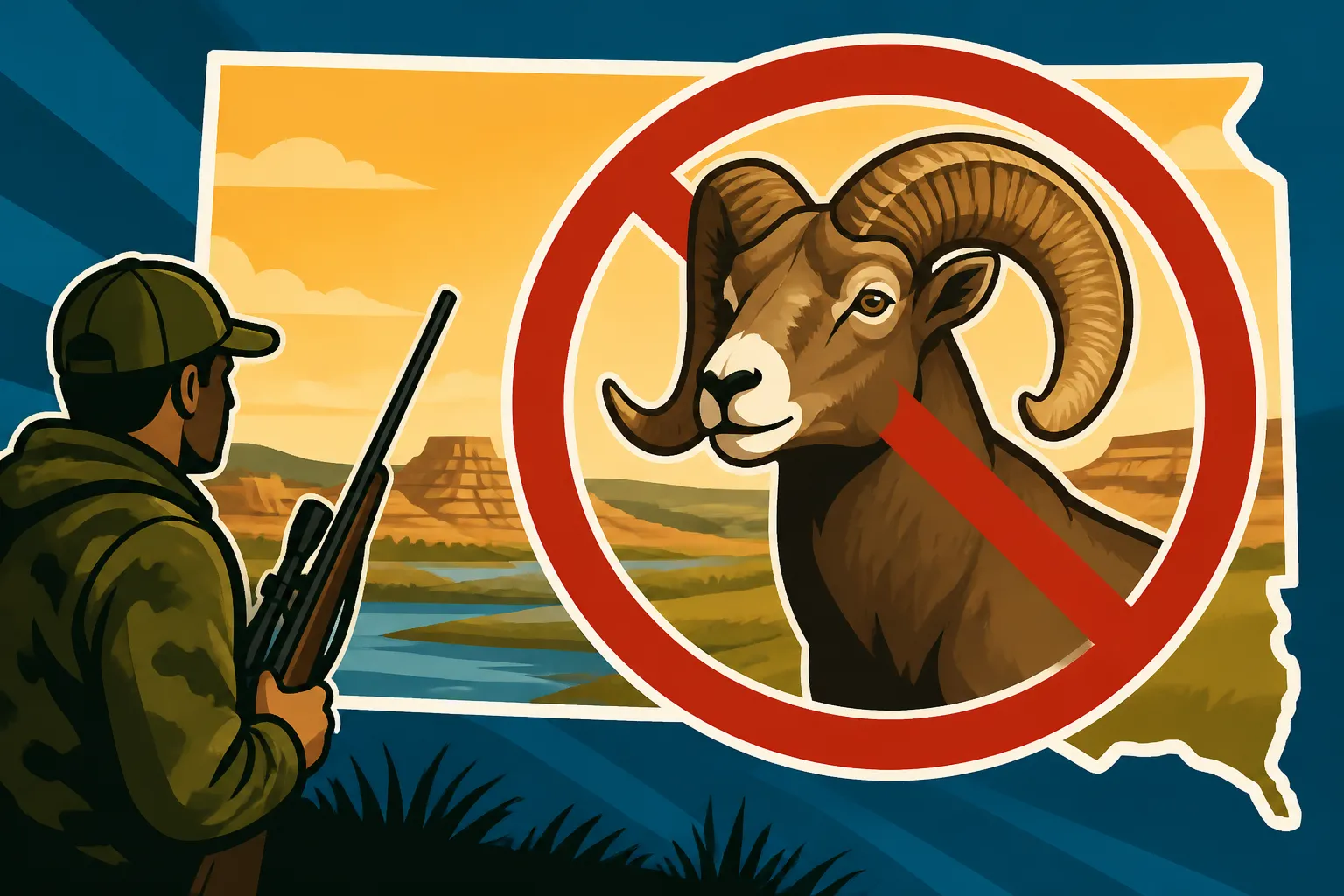
South Dakota is home to some truly majestic, rare big game species that offer hunting opportunities that are the stuff of legend. We're talking about bighorn sheep and mountain goats. These tags are so scarce and so coveted that they are designated as "once-in-a-lifetime" opportunities. This means that if you are fortunate enough to draw and harvest one of these animals, you are generally ineligible to ever draw another tag for that species in South Dakota again. The draw odds are astronomically low, requiring years, if not decades, of applying for most hunters, and even then, success is far from guaranteed.
Consider the South Dakota bighorn sheep hunt. A mere handful of tags, sometimes just one or two, might be issued in a given year, typically for a specific unit in the Black Hills. The competition is fierce, with thousands of applicants vying for these coveted opportunities. Similarly, mountain goat tags in the Black Hills are incredibly limited. These animals inhabit rugged, high-elevation terrain, and the state manages their populations with extreme care. For the vast majority of hunters, drawing a bighorn or mountain goat tag is a lifelong quest, often more about the dream and the process of applying than the realistic expectation of a hunt. Resources like South Dakota Bighorn Sheep Applications and South Dakota Mountain Goat Applications illustrate just how competitive these draws are. Platforms such as GoHunt can also be invaluable for researching historical draw odds and understanding the true rarity of these permits. The sheer unlikelihood of drawing means that for many, these species remain in the realm of the "virtually unhuntable."
| Category | Hunting Status in South Dakota | Examples | General Reason |
|---|---|---|---|
| Legally Cannot Hunt | No Open Season, Protected | Black-footed Ferret, Whooping Crane, Bald Eagle, most songbirds, reptiles | Conservation status (Endangered/Threatened), non-game designation, federal protection |
| Not Present/No Population | No Established Wild Population | Moose, Grizzly Bear, Wolverine, Gray Wolf | Outside natural range, transient sightings only, no breeding populations |
| Virtually Unhuntable | Season Exists, Tags Extremely Rare | Bighorn Sheep, Mountain Goat | Once-in-a-lifetime tag, astronomical draw odds, limited population |
| Highly Restricted (but possible) | Season Exists, Tags Very Limited | Black Hills Elk, specific trophy deer units | Very competitive draw, limited quota, significant preference points often required |
Highly Restricted Big Game Opportunities
Even for big game species that have more regular hunting seasons in South Dakota, certain opportunities are so tightly controlled and competitive that they, too, can feel almost out of reach for many hunters. Elk in the Black Hills are a prime example. While South Dakota does have an established elk population and offers hunting tags, drawing one is a significant challenge, especially for non-residents. The number of tags is heavily restricted to manage herd health and provide a quality hunting experience in limited habitat.
Many hunters will accumulate preference points for years, hoping to improve their odds in the competitive draw. Even with points, success is not guaranteed, and some desirable units or tag types (like an antlered bull tag) can take many years to acquire. This process can be incredibly frustrating, as hunters invest time and money into applications without the immediate gratification of a tag in hand. While not "once-in-a-lifetime," the dedication and patience required to draw an elk tag in the Black Hills means that for casual hunters or those without years to build points, the opportunity is so remote it borders on the unattainable. For more on this, look into South Dakota Elk Draw and Units. This emphasizes that "huntable" doesn't always mean "easily accessible," and understanding the draw system is key to managing expectations when pursuing these highly sought-after species.
Disclaimer
This article is for general informational purposes only and does not constitute professional advice. Laws, prices and regulations vary by location and change over time. Consult a qualified professional for guidance on your specific situation.