Getting Meat Cooled in Warm Weather
South Dakota hunters using proven field dressing steps prevent game meat spoilage during warm autumn weather over fifty degrees.
Close the distance.
Archery, muzzleloader, and firearm techniques — calling, stand placement, still-hunting, spot-and-stalk, and the weapon rules that change at the state line.
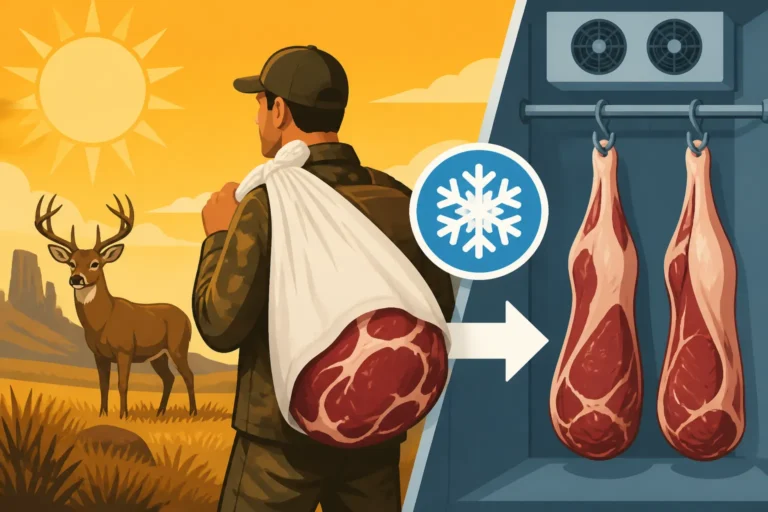
South Dakota hunters using proven field dressing steps prevent game meat spoilage during warm autumn weather over fifty degrees.

Antelope meat gaminess stems from late August prairie heat, delayed field care, and stress hormones altering the flavor of the harvested animal.
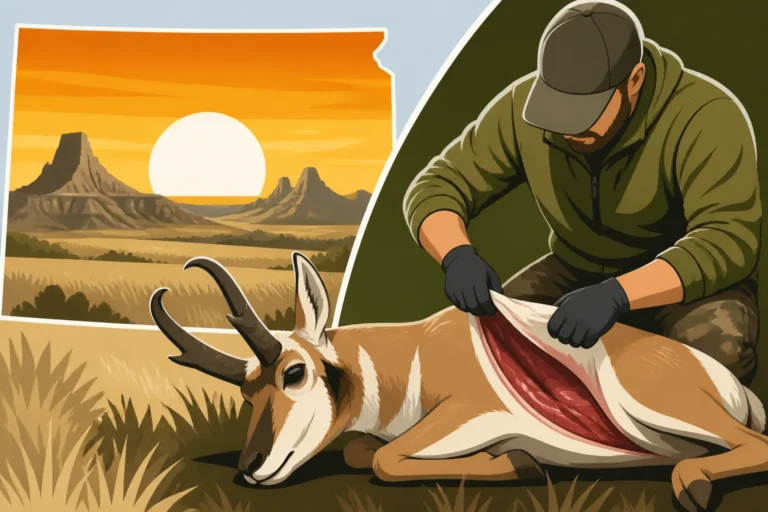
South Dakota pronghorn field dressing methods explain how to rapidly cool meat and prevent spoilage in warm prairie weather.
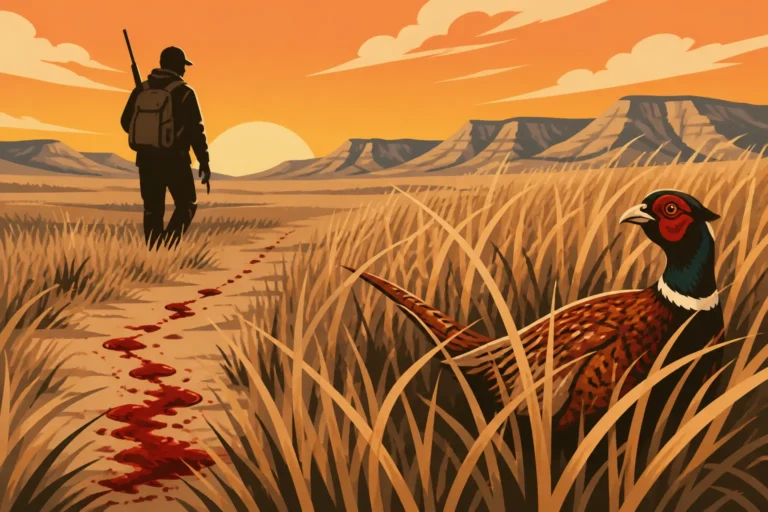
South Dakota prairie hunters learn steps to track wounded deer and antelope, mark shot locations, and interpret blood sign.
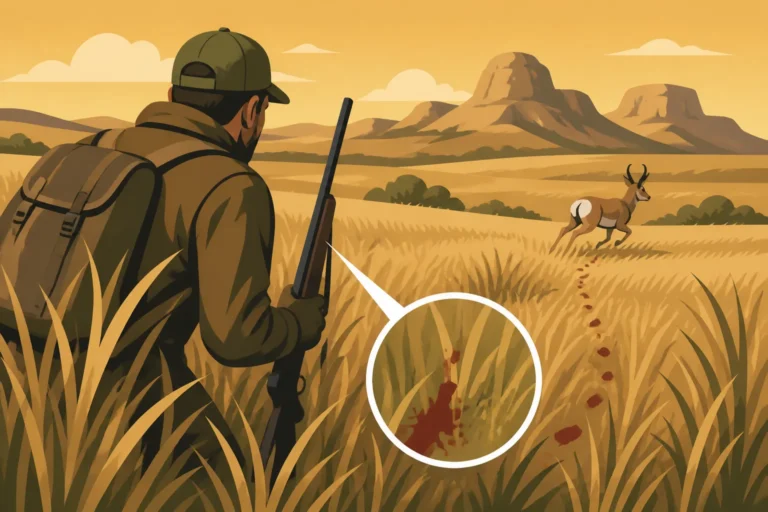
Following up a marginal deer or antelope shot in tall South Dakota grass requires immediate patience, landmark marking, and proper waiting times.
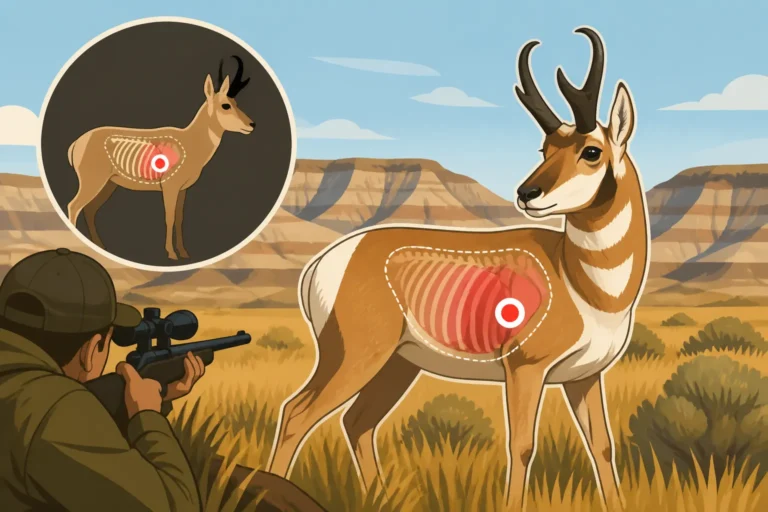
Pronghorn shot placement details where to aim for the heart and lungs on quartering prairie angles in South Dakota.
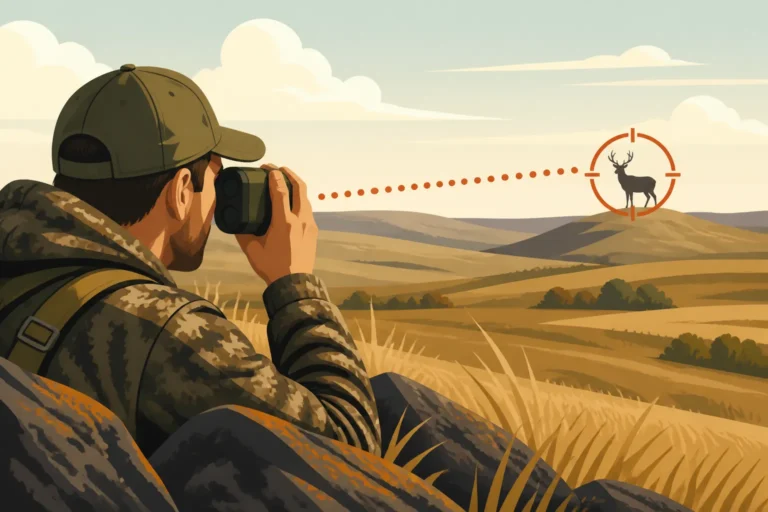
Accurate rangefinding across open ground helps South Dakota hunters judge distance and make ethical shots on prairie game.
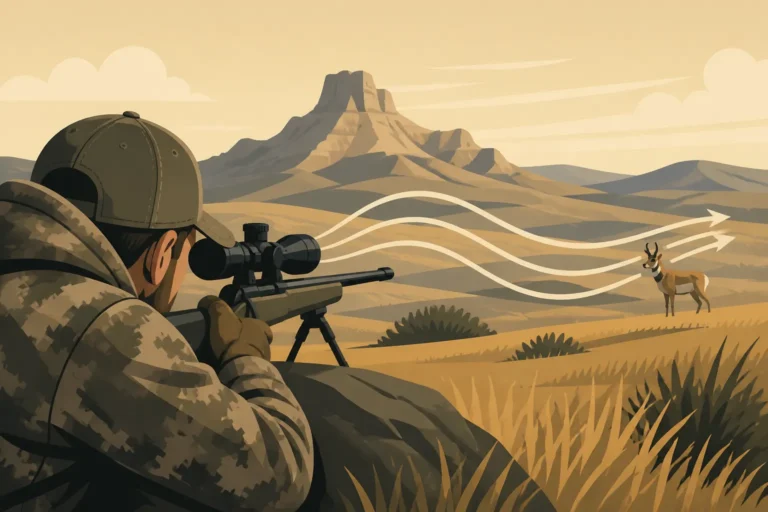
South Dakota prairie winds at four hundred yards require systematic observation and precise measurement for successful long shots.
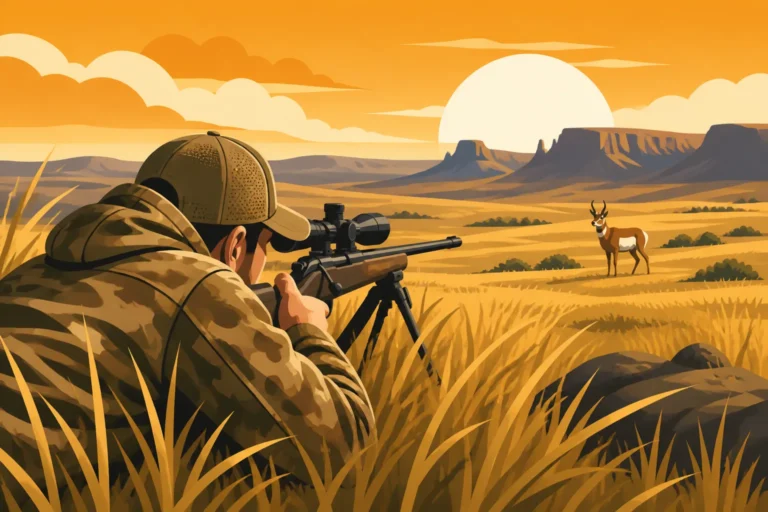
Prone shooting techniques on the South Dakota prairie provide the stability needed for ethical long-range hunting shots.
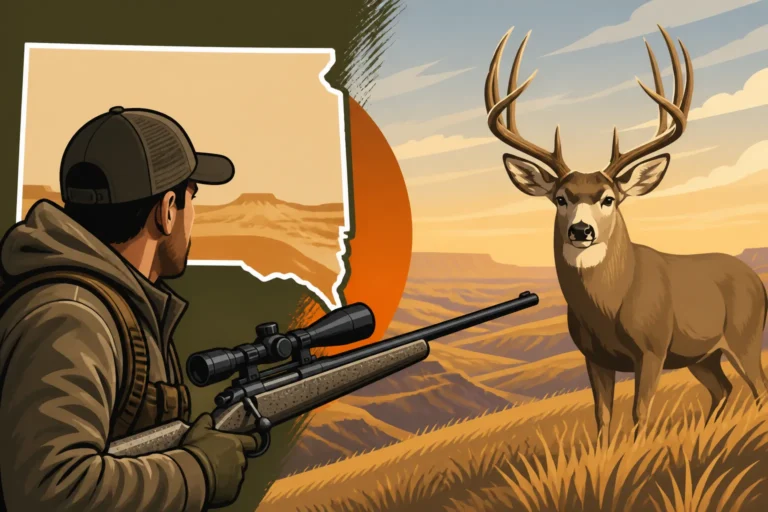
Rifle selection for West River mule deer hunting matches gear to South Dakota terrain and shots extending past 300 yards.