Grouse Lek Behaviour in Spring
The South Dakota spring prairie, with its awakening grasses and lingering chill, holds a secret spectacle that many hunters and outdoor enthusiasts miss if they don't know what to look for. You might hear strange cooing or booming sounds carrying on the crisp morning air, or perhaps catch a fleeting glimpse of what looks like birds dancing in an open field, leaving you wondering what on earth is going on. This guide will walk you through the fascinating world of grouse lek behavior in spring, helping you understand these unique courtship rituals of our native prairie grouse.
The Mystery of the Lek: Why Grouse Gather and Dance
When we talk about "lek behavior," we're diving into one of the most incredible natural phenomena on the South Dakota prairie. A lek isn't just a gathering place; it's a dedicated courtship arena, a stage where male prairie grouse — primarily Sharp-tailed Grouse and Greater Prairie Chickens — perform elaborate displays to attract females. This isn't just a casual get-together; it's a fierce competition, a theatrical performance that plays out year after year in the same hallowed spots.
The choice of a lek site isn't random. These are typically open, elevated patches of ground with good visibility, often on a slight ridge or a prairie knoll, that allow the birds to see predators approaching and to broadcast their calls and displays across long distances. Imagine trying to find one without local knowledge; it's like searching for a needle in a haystack if you're not using tools like GoHunt to scout broad, open grassland features from home. These open areas are crucial because the females are watching from the fringes, carefully assessing the vigor and dominance of the performing males. These are ancient sites, often used for generations, passed down through the birds' collective memory. The persistence of these sites speaks to their importance in the grouse lifecycle.
The Annual Spring Spectacle: When and How to Observe Lekking
The spring lekking season is truly a sight to behold, but it demands dedication and a very early start. Typically, the activity begins in late March and can continue through May, with peak performances usually occurring in April. The exact timing can shift slightly depending on the lingering winter weather and how quickly spring truly settles in across the plains. When the sun begins to creep over the eastern horizon, long before most of us have even thought about coffee, that's when the magic happens.
These grouse are most active right at dawn, often starting an hour before sunrise and continuing for a couple of hours into the morning. They'll also put on a less intense show late in the afternoon, closer to sunset, but the sunrise performance is the main event. Getting to a known lek requires a bit of planning. You’ll want to arrive well before first light, stealthily position yourself, and then simply wait and listen. Many times, you’ll hear them long before you see them. The distinctive "booming" of the Greater Prairie Chicken or the "cooing" and rattling of the Sharp-tailed Grouse carries far on the still morning air. This is where detailed scouting reports or landowner intel can really shine; using a service like GoHunt can help identify potential public land access points near historical or likely lek locations when you're planning your pre-season scouting trips, even if you’re just observing for now. Remember, the goal is to observe without disturbing them, so a good set of binoculars or a spotting scope is essential. You want to remain hidden, perhaps using your vehicle as a blind, or setting up a ground blind at a respectful distance.
| Grouse Species | Peak Lekking Season | Primary Display Sound | Distinctive Visual Display | Common Habitat |
|---|---|---|---|---|
| Sharp-tailed Grouse | April – early May | Cooing, rattling, cackling | Yellow/purple air sacs, erect tail feathers, rapid foot stomping | Mixed-grass prairie, shrubby areas, cropland edges |
| Greater Prairie Chicken | Late March – late April | Deep booming, gobbling | Orange/yellow air sacs, erect neck feathers, elaborate foot stomping | Tallgrass prairie, native grasslands, hayfields |
When considering which grouse species you might encounter, remember that the Sharp-Tailed Grouse Range in South Dakota overlaps significantly with the Greater Prairie Chicken Range in South Dakota, especially in the central and eastern parts of the state. Knowing the subtle differences in their calls and displays is key to distinguishing them, something we delve into in Telling Sharptails From Prairie Chickens.
Understanding the "Dance": Displays and Dominance
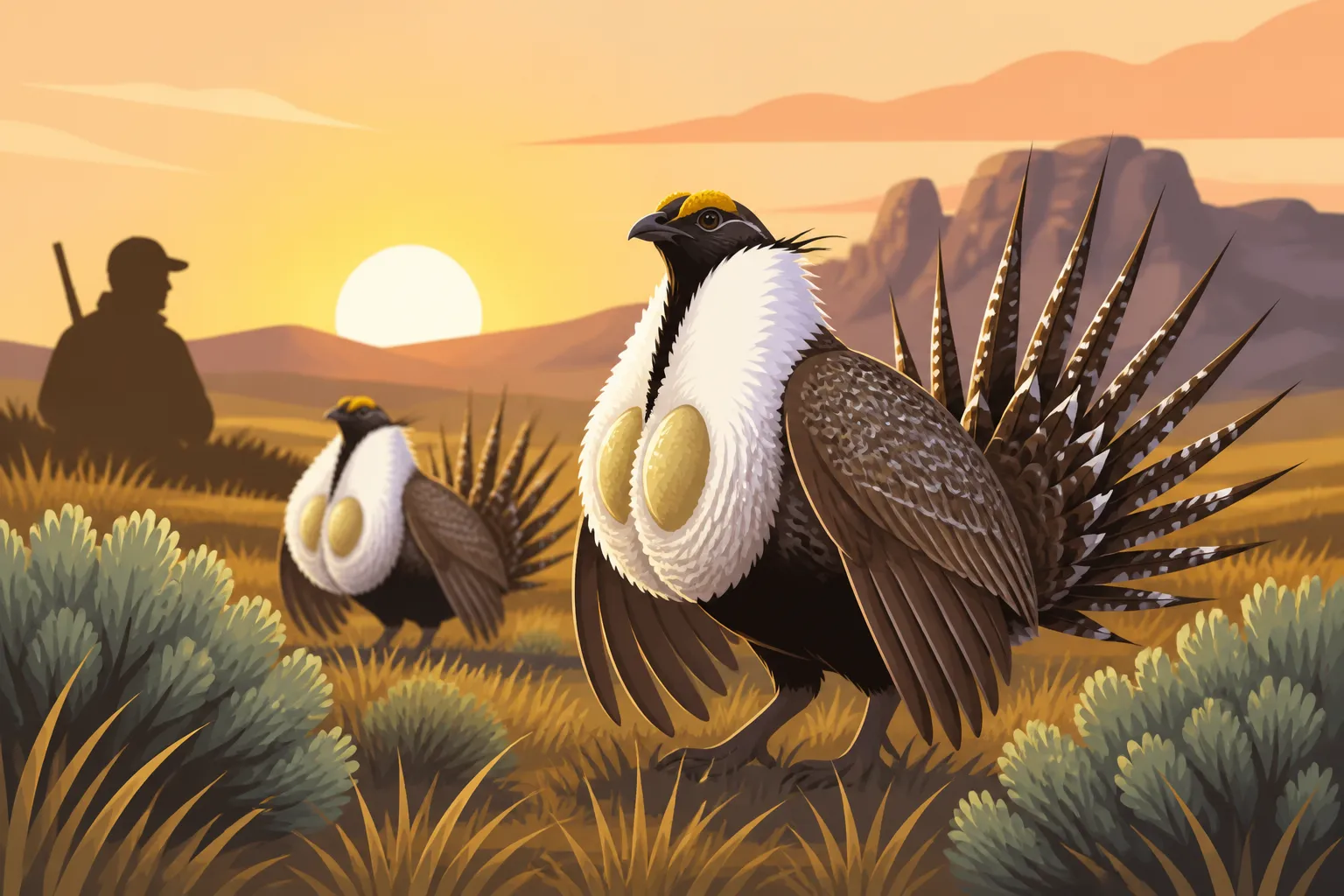
The actual "dance" of the grouse on the lek is a truly mesmerizing and complex series of movements designed to impress the discerning females. For the Sharp-tailed Grouse, it's a high-energy affair. The males lower their heads, raise their sharp tail feathers, and inflate bright purplish-yellow air sacs on the sides of their necks. Then, they begin to stomp their feet rapidly, almost vibrating, while making a cooing or rattling sound. This foot-stomping generates a low thrumming sound that, combined with their vocalizations, creates an auditory and visual spectacle. They'll spin around, often with their wings held slightly out, dancing with an almost frantic energy. It's a true show of vigor and vitality, signaling to the hens that they are strong and healthy.
Greater Prairie Chickens, on the other hand, are famous for their deep, resonant booming calls. Their display involves inflating prominent orange air sacs on their neck, which act as resonators for their distinct "boom" that can be heard for miles on a still morning. They also stomp their feet, creating a rhythmic drumming sound against the ground. Their tail feathers are often fanned, and they'll hold erect plumes on their heads. The males will often run short distances, stop abruptly, and then launch into their booming and dancing, often facing off against rival males in brief, intense skirmishes. These displays are all about demonstrating dominance. The most dominant males typically secure the central spots on the lek, where they are most visible and audible to the hens. These prime spots are fiercely contested, leading to elaborate territorial squabbles, wing flaps, and aggressive posturing. It's a raw, instinctual competition that has played out on these prairies for millennia, an integral part of the South Dakota Prairie Grouse and Partridge story.
Observing these interactions can teach you a lot about the dynamics of prairie wildlife. It's not just random flapping and calling; every movement has a purpose, a challenge, or an invitation. Understanding these intricate behaviors can give you an edge when you're out Scouting South Dakota Public Ground Before the Season or using tools for E-Scouting Walk-In Areas Before the Season, allowing you to identify ideal habitat where you might find these birds later in the year.
Conservation and Ethical Observation of Leks
The survival of prairie grouse in South Dakota is intimately tied to the health of our native grasslands. Lek sites are critical to their reproductive success, and their continued existence is a testament to ongoing conservation efforts. Disturbances to these sites, especially during the peak lekking season, can have serious consequences, disrupting courtship and potentially reducing breeding success. That's why ethical observation is paramount.
If you are fortunate enough to locate a lek, whether through word-of-mouth, past experience, or careful e-scouting using a platform like GoHunt to identify suitable open country, approach with the utmost respect. Keep your distance, remain concealed, and minimize any noise or sudden movements. The goal is to be a silent observer, not a participant. Avoid driving directly onto a lek or walking through it, as this can scatter the birds and cause them to abandon the site, at least temporarily. Their daily ritual is delicate, and our presence, if not managed carefully, can break the spell.
Conservation organizations and the South Dakota Game, Fish and Parks Department work tirelessly to protect and enhance prairie grouse habitat. This often involves prescribed burning, managed grazing, and maintaining large tracts of native grass that provide both nesting cover and lekking grounds. Hunters also play a crucial role through their purchase of licenses and habitat stamps, which directly fund these conservation initiatives. Understanding the unique lifecycle and habitat needs of these birds, from their spring courtship to their fall movements, enhances our appreciation for them and informs our approach to hunting season. While you might be focused on the South Dakota Prairie Grouse Season in the fall, learning about their spring behavior truly deepens the connection to these magnificent birds and the vast prairie landscapes they call home. Consider exploring areas like the national grasslands, which provide crucial habitat for these species. Knowing where to look for birds in season often starts with knowing where they breed in the spring.
Disclaimer
This article is for general informational purposes only and does not constitute professional advice. Laws, prices and regulations vary by location and change over time. Consult a qualified professional for guidance on your specific situation.