The Custer State Park Buffalo Roundup
For anyone who’s ever driven through the sprawling beauty of Custer State Park in the Black Hills, the sight of bison freely roaming is an iconic experience. But these aren't just pretty faces; they're a vital, wild herd that needs careful management to thrive within the park's boundaries. This comprehensive guide will walk you through the fascinating story of the Custer State Park Buffalo Roundup, explaining its deep historical roots, crucial ecological purpose, and what it truly means for both the animals and the people who gather to witness it each year.
The Enduring Legacy of Custer State Park's Bison Herd
The bison of Custer State Park aren't just an attraction; they are a living, breathing connection to America's wild past. Their presence is a powerful reminder of the vast herds that once roamed the prairie, and their management is a testament to modern conservation efforts. This isn't just about keeping a few animals around; it's about preserving a piece of ecological and cultural heritage.
A History Etched in the Black Hills
When you see the bison in Custer State Park today, it's easy to imagine they've always been there, a permanent fixture of the Black Hills landscape. However, the park's herd has a unique origin story. The original bison that roamed these lands were hunted to near extinction by the late 19th century. The current herd began with a small group of just 36 bison, purchased in 1914 by Governor Peter Norbeck from a rancher named Scotty Philip, who himself had started building a herd from animals salvaged from the wild. Norbeck's vision was to re-establish a healthy, free-ranging bison population within what would become Custer State Park.
These animals weren't simply placed in a pasture; they were given vast tracts of land to roam, mirroring their historical migratory patterns as much as possible within a protected area. This commitment to maintaining a wild herd, as opposed to a domesticated one, has shaped every aspect of their care and management. It's a challenging endeavor, balancing the needs of a large, powerful animal with the limitations of a park surrounded by human development and activity. The success of this reintroduction and the subsequent growth of the herd is a conservation triumph, but it requires continuous, hands-on involvement. Bison in Custer State Park delves deeper into their fascinating journey.
Why Herd Management is Essential
While the romantic notion of an endlessly growing, completely wild bison herd is appealing, the reality of managing a large, free-ranging population within a defined ecosystem like Custer State Park is much more complex. The park spans a significant area, but it's not boundless. The bison, being large grazers, have a substantial impact on the land. Without active management, their numbers could quickly outstrip the available forage, leading to overgrazing, habitat degradation, and ultimately, a decline in the health of the bison themselves and other wildlife species.
Think of it like a carefully balanced garden; if one plant grows too vigorously, it can choke out others. For the bison, unchecked growth could lead to insufficient food during harsh winters, increased disease transmission within a denser population, and even damage to vital riparian areas or unique plant communities. Therefore, herd management isn't about interfering with nature unnecessarily; it's about mimicking natural population controls that would occur in a truly boundless wilderness, but doing so in a way that ensures the long-term health and vitality of the herd and its habitat. This proactive approach helps to avoid ecological crises and maintains the high quality of life for these magnificent animals.
Understanding the Annual Custer State Park Buffalo Roundup
The Custer State Park Buffalo Roundup is arguably the park's most famous event, drawing tens of thousands of spectators each fall. But beneath the spectacle lies a deeply practical and crucial wildlife management operation, essential for the health and sustainability of the herd. It’s far more than just a show; it’s a necessary annual task that requires immense skill and planning.
More Than Just a Spectacle
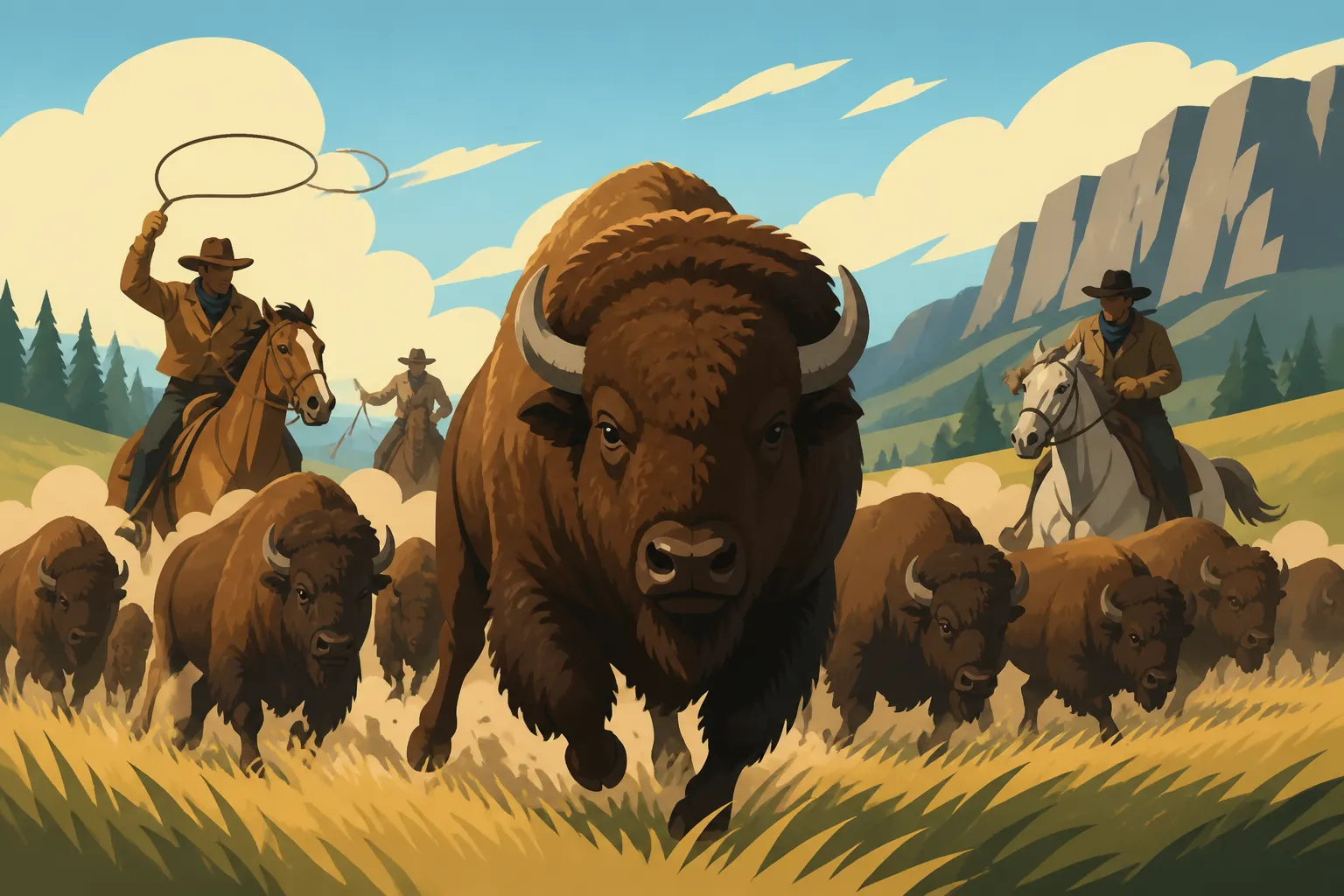
At its heart, the annual buffalo roundup is a critical herd management tool. While it's a breathtaking event to witness, its primary purpose is not entertainment. Every year, typically in late September, the park's entire bison herd, which can number over 1,000 animals, is skillfully guided by park staff and volunteers on horseback across the open plains and through draws into custom-built corrals. This isn't a simple task; these are wild animals, and they are powerful.
Once safely in the corrals, the real work begins. The bison undergo a series of crucial health checks. This includes vaccinations to protect against common diseases, branding for identification, and sorting. Calves are separated for their first health evaluation, and a certain number of bison are selected for sale. This sale serves a dual purpose: it helps control the herd size to prevent overgrazing, and the revenue generated goes directly back into the park's operational budget, supporting conservation efforts and infrastructure maintenance. Without this annual process, maintaining a healthy and sustainable bison population would be virtually impossible. Custer State Park Elk and Bison often face similar, albeit less dramatic, management considerations for their populations.
The Role of the Cowboys and Cowgirls
The image of cowboys and cowgirls on horseback, dust flying, as they drive hundreds of bison across the prairie is straight out of a classic Western film. But for the individuals participating in the Custer State Park Buffalo Roundup, it's a demanding, high-stakes job. These aren't actors; they are seasoned horsemen and women, many of whom are park employees, local ranchers, or dedicated volunteers who understand the nuances of working with large, powerful animals. Their skill is paramount to the success and safety of the roundup.
The riders work in coordination, using their horses and a deep understanding of bison behavior to guide the herd. It requires immense patience, quick reflexes, and an unwavering commitment to safety—for themselves, their horses, and the bison. They read the herd's movements, anticipate breakouts, and skillfully apply pressure to keep the animals moving in the right direction. It's a physically taxing and mentally challenging task that harks back to the traditional cattle drives of the Old West, requiring a deep respect for the animals and the land. Many participants return year after year, drawn by the unique challenge and the privilege of being part of such a significant conservation effort in the Black Hills.
Spectator Experience and Public Involvement
For those fortunate enough to attend, the Custer State Park Buffalo Roundup offers a truly unique opportunity to witness an authentic piece of living history and active wildlife management. Spectators arrive early, often before dawn, to secure a good viewing spot along designated areas. The anticipation builds as the morning light begins to paint the Black Hills landscape, and then, in the distance, you see them: a moving mass of dark bodies, guided by riders, appearing like a scene from another century.
The park provides specific viewing areas designed for public safety and optimal visibility. These spots allow you to see the magnificent herd thundering across the prairie and eventually being funneled into the corrals. Beyond the main drive, there are also opportunities to observe the processing of the bison in the corrals later in the day, providing a more detailed look at the health checks and sorting procedures. It’s a full day’s experience that resonates deeply with visitors, connecting them to the raw power of nature and the dedicated efforts to conserve these iconic animals. It’s an unforgettable event that highlights the rugged beauty and spirit of South Dakota.
The Impact and Significance of the Roundup
The annual Custer State Park Buffalo Roundup extends its influence far beyond the corrals, touching upon conservation, the local economy, and cultural heritage. It's a multifaceted event with broad-reaching implications for both the wildlife and the human communities connected to it.
Conservation and Genetic Diversity
The Custer State Park bison herd is not just large; it's considered one of the largest publicly owned, free-roaming herds in the world. This makes its genetic health incredibly important for broader bison conservation efforts. The annual roundup plays a crucial role in maintaining this health by allowing park biologists and veterinarians to conduct vital health screenings, administer vaccinations, and monitor the overall condition of the herd. Identifying and managing any potential disease outbreaks is critical, especially given the proximity to other wildlife, like the Black Hills Elk Herd History and other livestock.
Furthermore, the process of selecting and selling a portion of the herd helps to introduce new genetics into other bison herds across the country, contributing to the species' overall genetic diversity and resilience. It's a strategic effort to ensure the long-term viability of bison populations everywhere, safeguarding them against potential genetic bottlenecks. The bison sold from Custer State Park go to other conservation programs, tribal herds, and private ranches, effectively spreading the robust genetics that have been carefully managed within the park for over a century. This ensures that the legacy of these magnificent animals continues, far beyond the boundaries of the Black Hills.
Economic and Cultural Importance
Beyond its biological significance, the Custer State Park Buffalo Roundup has a profound economic and cultural impact on South Dakota. Economically, it's a massive tourism draw, attracting thousands of visitors from across the globe who come specifically to witness this unique event. These visitors contribute significantly to the local economy through lodging, dining, fuel, and shopping, benefiting communities throughout the Black Hills region. It’s a highlight in the fall tourism calendar, providing a boost outside of the traditional summer season.
Culturally, the roundup is a vibrant celebration of the American West and the enduring spirit of ranching and horsemanship. It connects modern generations to the historical practices of plains buffalo hunters and early cattle drives, evoking a powerful sense of tradition. It also serves as a reminder of the historical and spiritual significance of bison to Native American cultures. For many, it's a pilgrimage, a chance to connect with an iconic animal and a way of life that defines a fundamental part of the nation's heritage. The event embodies the rugged beauty and independent spirit that South Dakota is known for.
Challenges and Modern Management
Managing a wild bison herd of this magnitude in a state park isn't without its challenges. The park continually balances the natural instincts of the bison with the need for responsible stewardship of the land and the safety of human visitors. One of the biggest challenges is the sheer unpredictability of wild animals. Despite the best efforts of skilled riders, bison can be dangerous and unpredictable, making the roundup a high-risk operation. The weather in the Black Hills can also be a significant factor, with sudden changes able to complicate the drive.
Modern management techniques constantly evolve, incorporating scientific research and improved animal handling practices to ensure the welfare of the herd. This includes utilizing advanced veterinary care, genetic monitoring, and habitat analysis to make informed decisions about herd size and composition. The park also faces the challenge of educating the public about the importance of these management practices, which sometimes involve tough decisions regarding culling or sales to maintain ecological balance. It's a continuous, dynamic process that combines tradition with cutting-edge conservation science to preserve these incredible animals for generations to come. For those interested in other big game management, understanding South Dakota Big Game Draws and How to Apply can offer further insight into how different species are managed.
| Aspect of Roundup | Description | Significance |
|---|---|---|
| Primary Goal | Herd population control and health assessment | Prevents overgrazing, ensures animal welfare, maintains ecosystem health |
| Participants | Park staff, skilled volunteer cowboys/cowgirls | Expert horsemanship and knowledge of bison behavior for safe handling |
| Timing | Annually, typically late September/early October | Cool weather is ideal for bison and horses, after summer grazing season |
| Activities in Corrals | Health checks, vaccinations, branding, sorting | Monitors disease, tracks individuals, prepares bison for sale or return |
| Public Viewing | Designated areas provided by the park | Offers a unique, live wildlife spectacle and educational experience |
| Economic Impact | Significant tourism draw, generates revenue from bison sales | Supports local businesses and funds park operations/conservation |
Disclaimer
This article is for general informational purposes only and does not constitute professional advice. Laws, prices and regulations vary by location and change over time. Consult a qualified professional for guidance on your specific situation.