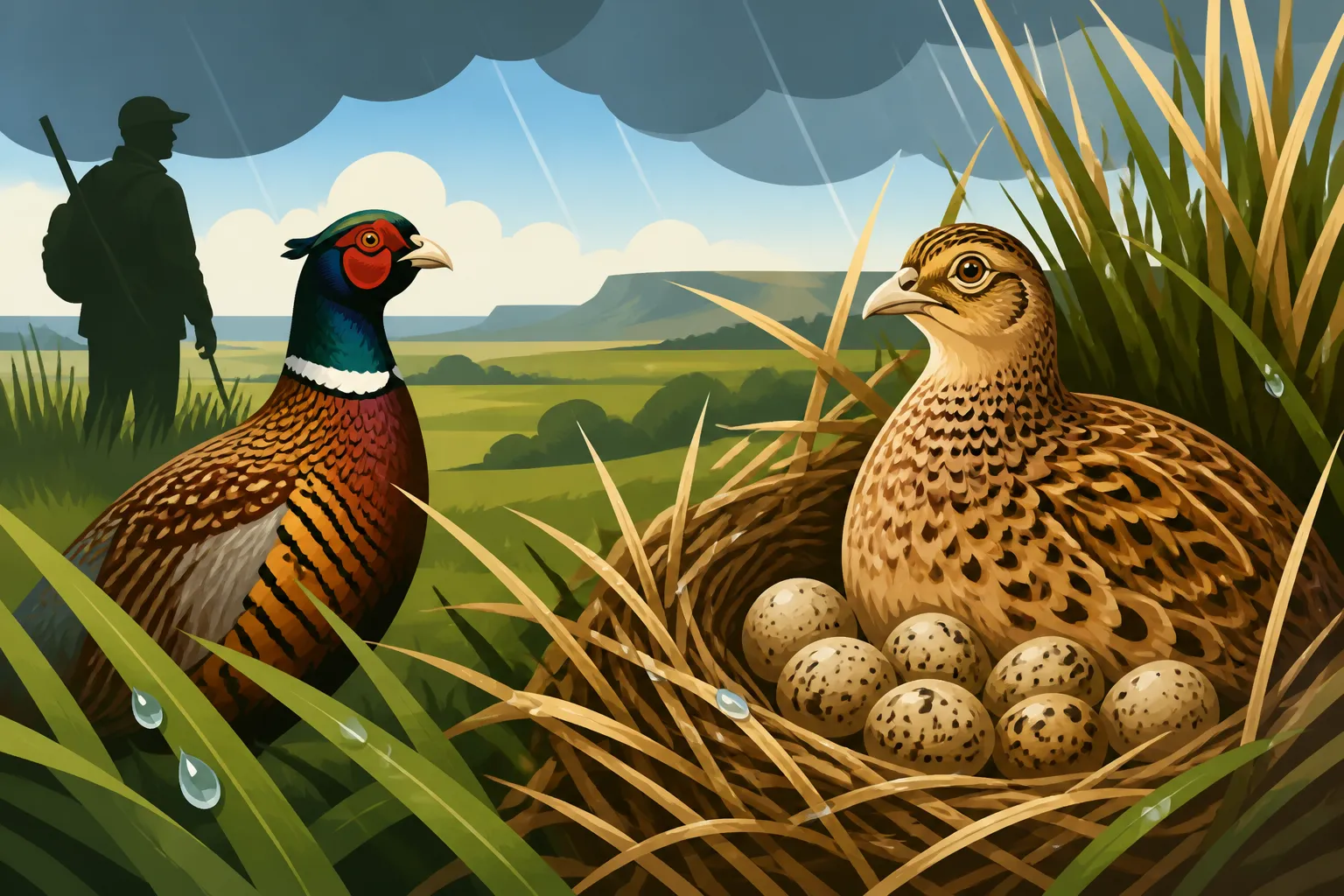
Spring Rain and Pheasant Nesting Success
For those of us who live and breathe South Dakota pheasant hunting, the anticipation starts long before the season opener. We're constantly checking weather patterns, looking at snowfall, and wondering about the coming spring. One of the biggest factors that shapes our hunting season, often overlooked until it's too late, is the subtle yet profound impact of spring and early summer rains on pheasant nesting success. It’s a delicate dance between just enough moisture and too much, and it dictates how many vibrant roosters will be kicking up from the cover come October. This guide will walk you through how rainfall influences pheasant populations and what to look for when you're dreaming of autumn drives.
The Delicate Balance: How Spring Rain Impacts Pheasant Nesting
Pheasants are remarkably resilient birds, adapted to the sometimes harsh realities of the South Dakota landscape. However, the period from late April through early July, when hens are laying eggs and incubating nests, is particularly vulnerable to weather extremes. Spring rains, or lack thereof, play an enormous role in determining how successful these nesting attempts will be. It’s not just about precipitation itself, but how it interacts with the available habitat.
Early Spring Moisture and Habitat Vigor
When early spring brings a gentle, consistent rain, it's often a boon for pheasants. This moisture invigorates the cover they rely on for nesting, providing a lush, dense environment that offers both concealment from predators and protection from the elements. Think of those early green-ups in roadside ditches and CRP fields—that's prime nesting real estate made possible by timely showers. Good early growth means better initial nesting attempts.
Conversely, a very dry spring can leave habitat sparse and stunted, forcing hens to choose less ideal nesting sites that offer poorer cover. This can make nests more vulnerable to predators or agricultural practices. Hens might delay nesting or have less robust clutches if they're struggling to find adequate food and water in parched conditions. Understanding these habitat nuances can be crucial for your scouting, helping you predict where birds might be concentrated, even if you’re just e-scouting with tools like GoHunt to evaluate cover density.
Moderate Rains During Nesting Season
The ideal scenario during the peak nesting months of May and June involves moderate, well-spaced rainfall. These gentle showers keep the vegetation growing, maintaining that critical cover without saturating the ground. Hens can incubate their eggs without the risk of nests being flooded, and newly hatched chicks find ample insects and tender greens to fuel their rapid growth.
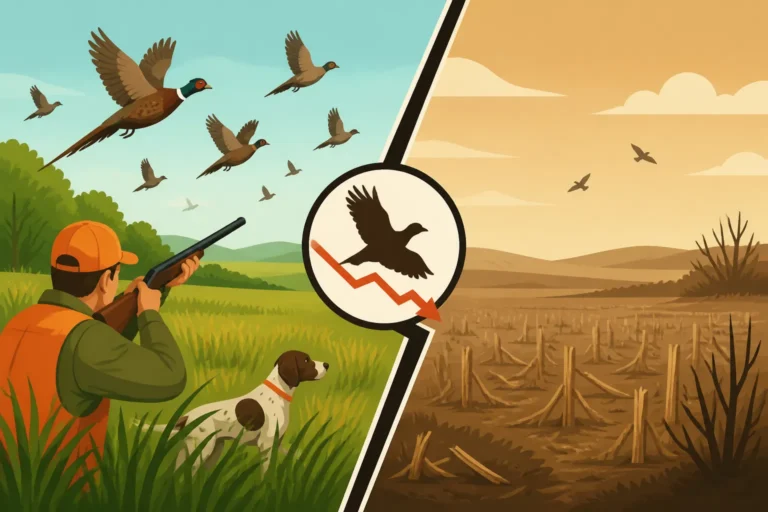
This 'Goldilocks' level of rain also ensures a healthy insect population, which is absolutely vital for pheasant chicks in their first few weeks of life. Chicks need protein to grow fast, and a diverse buffet of bugs found in damp, thriving vegetation is exactly what they need. Without it, chick survival rates plummet, even if the initial hatch was good. It's a chain reaction: good rain means good cover, which supports good insects, leading to good chick survival. This is part of the reason why South Dakota consistently produces such robust pheasant numbers; the climate often provides these ideal conditions.
Too Much of a Good Thing: When Heavy Rains Become Detrimental
While some rain is beneficial, there’s definitely a point of diminishing returns. South Dakota is no stranger to intense thunderstorms and prolonged wet periods, and these can be devastating for a fragile pheasant nest or a brood of vulnerable chicks. This is where the balance tips, and what started as a blessing turns into a challenge for the pheasant population.
Flooded Nests and Egg Loss
One of the most immediate and direct negative impacts of excessive spring and early summer rain is the flooding of nests. Many pheasant nests are located in low-lying areas, ditches, or fields where water can easily pool. A heavy, prolonged downpour can saturate the ground, turning a perfectly camouflaged nest into a watery grave for the eggs. Hens, while dedicated, often cannot save a submerged clutch.
Even if the nest isn't completely flooded, constantly wet conditions can chill the eggs, preventing proper development, or lead to fungal and bacterial growth that harms the embryos. This is a common frustration for wildlife managers who observe an otherwise promising nesting season derailed by a single torrential rain event. Such incidents contribute significantly to the fluctuations in the South Dakota Pheasant Population History.
Impact on Young Chicks and Survival
Beyond the eggs, newly hatched pheasant chicks are extremely vulnerable to cold, wet conditions. They haven't developed their full feathering yet, making them susceptible to hypothermia. Heavy rains can chill them rapidly, and even if they don't drown, the exposure can be fatal. Imagine a tiny chick, barely a day old, trying to navigate flooded cover or huddle for warmth in a downpour – it's a harsh reality on the prairie.
Furthermore, heavy rain can disperse the insect populations that chicks depend on for food. Wet conditions make it harder for chicks to forage effectively, and the insects themselves might seek shelter or be washed away. This dual threat of exposure and starvation can lead to significant chick mortality, even if the nests initially hatched successfully. If you're observing habitat, whether in person or using digital scouting tools like GoHunt, look for areas that experienced severe flooding if you want to understand potential bird shortages in certain areas.
The Goldilocks Zone: Ideal Moisture for a Booming Pheasant Population
Finding that perfect sweet spot for rainfall is what wildlife managers and hunters alike dream of. When Mother Nature cooperates and provides just the right amount of moisture at the right time, the conditions are ripe for an exceptional pheasant hatch and, consequently, a fantastic hunting season.
Consistent, Moderate Rainfall throughout Spring and Early Summer
The absolute best-case scenario for pheasant nesting success in South Dakota is a pattern of consistent, moderate rainfall throughout the spring and into early summer. This means enough moisture to keep the grass and other nesting cover growing tall and dense, but not so much that it causes widespread flooding. Think of it as a series of gentle, soaking rains rather than sporadic deluges.
This type of weather creates ideal conditions for hens to successfully bring off their broods. The cover remains lush, providing excellent protection from predators like hawks, coyotes, and raccoons. The consistent moisture also promotes a booming insect population—those essential protein packets for growing chicks. When these conditions align, you see healthy, robust broods that have a much better chance of surviving to adulthood. This is a key factor in Why South Dakota Grows So Many Pheasants.
The Role of Healthy Habitat and Grasslands
Of course, rain alone isn't enough; it needs healthy habitat to work its magic. Well-established grasslands, CRP fields, and diverse native prairie stands are designed to absorb and manage moisture, providing better drainage and more resilient cover even during wet spells. When these areas are present, even somewhat heavy rains are less likely to devastate nests. This highlights the importance of programs that support CRP Acres and South Dakota Bird Numbers.
Hunters can often correlate a great pheasant season with years that experienced this optimal rainfall pattern combined with abundant, quality habitat. It’s a powerful reminder that while we can’t control the weather, we can advocate for and support habitat conservation efforts that give pheasants the best fighting chance, regardless of what the skies bring.
Practical Considerations for Hunters: Reading the Weather for Pheasant Forecasts
As hunters, we can't influence the weather, but we can certainly learn to read its signs and understand its implications for the upcoming pheasant season. This knowledge can help temper expectations, guide scouting efforts, and even inform your choice of hunting areas.
Observing Localized Rainfall Patterns
South Dakota's weather can be incredibly localized. A severe thunderstorm that floods nests in one county might completely miss an adjacent one. That's why simply looking at statewide averages isn't enough. As you approach the season, pay attention to local weather reports and even talk to landowners or local wildlife officials if possible. They often have the most accurate on-the-ground assessment of what the spring and summer brought.
Satellite imagery and historical weather data, often available through platforms like GoHunt that integrate various mapping layers, can give you a better picture of rainfall distribution in your target hunting areas. Look for drought indices or flood reports that could indicate localized challenges to pheasant populations. This kind of research helps in Scouting South Dakota Public Ground Before the Season.
Connecting Weather to Bird Behavior and Density
Once you have a sense of the spring and summer weather, you can start forming hypotheses about bird numbers and behavior. If an area experienced an ideal "Goldilocks" spring, you might anticipate strong bird numbers and healthier, more developed birds. If it was excessively wet or dry, brace for potentially fewer birds or birds that might be concentrated in specific, more resilient pockets of habitat.
For example, a very dry spring might push birds towards areas with more reliable water sources or thicker cover that holds dew longer. A wet spring might mean birds favor slightly higher ground or areas with excellent drainage. Understanding these patterns will make you a more effective hunter, helping you find birds even when conditions weren't perfect. This is a skill honed over many seasons, much like learning to read subtle cues in the landscape or understanding Reading Aerial Imagery for Cattail Cover. Knowing the local impact of rain can also inform decisions like Keeping a Dog Cool on an Early Opener if the summer was very hot and dry.
Long-Term Trends and Regional Differences
It's also important to remember that one year's weather isn't the whole story. Pheasant populations are influenced by a complex interplay of factors, including Hard Winters and South Dakota Hen Survival, overall habitat availability, and hunting pressure. While a great spring can boost numbers for a season, it's the long-term health of the habitat that truly sustains South Dakota's pheasant legacy.
Regionally, different parts of South Dakota may experience vastly different rainfall patterns in the same year. The eastern half of the state, often referred to as "East River" country, tends to receive more precipitation than the drier "West River" prairies. This means that while one region might have an incredible hatch, another could be struggling. Always consider these regional variations when planning your hunt and researching potential spots, especially if you’re trying to pinpoint the Best South Dakota Counties for Pheasants. While the state no longer conducts a formal pheasant brood survey, understanding these weather patterns can give you a decent idea of what to expect, supplementing the information that replaced the pheasant estimate.
Disclaimer
This article is for general informational purposes only and does not constitute professional advice. Laws, prices and regulations vary by location and change over time. Consult a qualified professional for guidance on your specific situation.