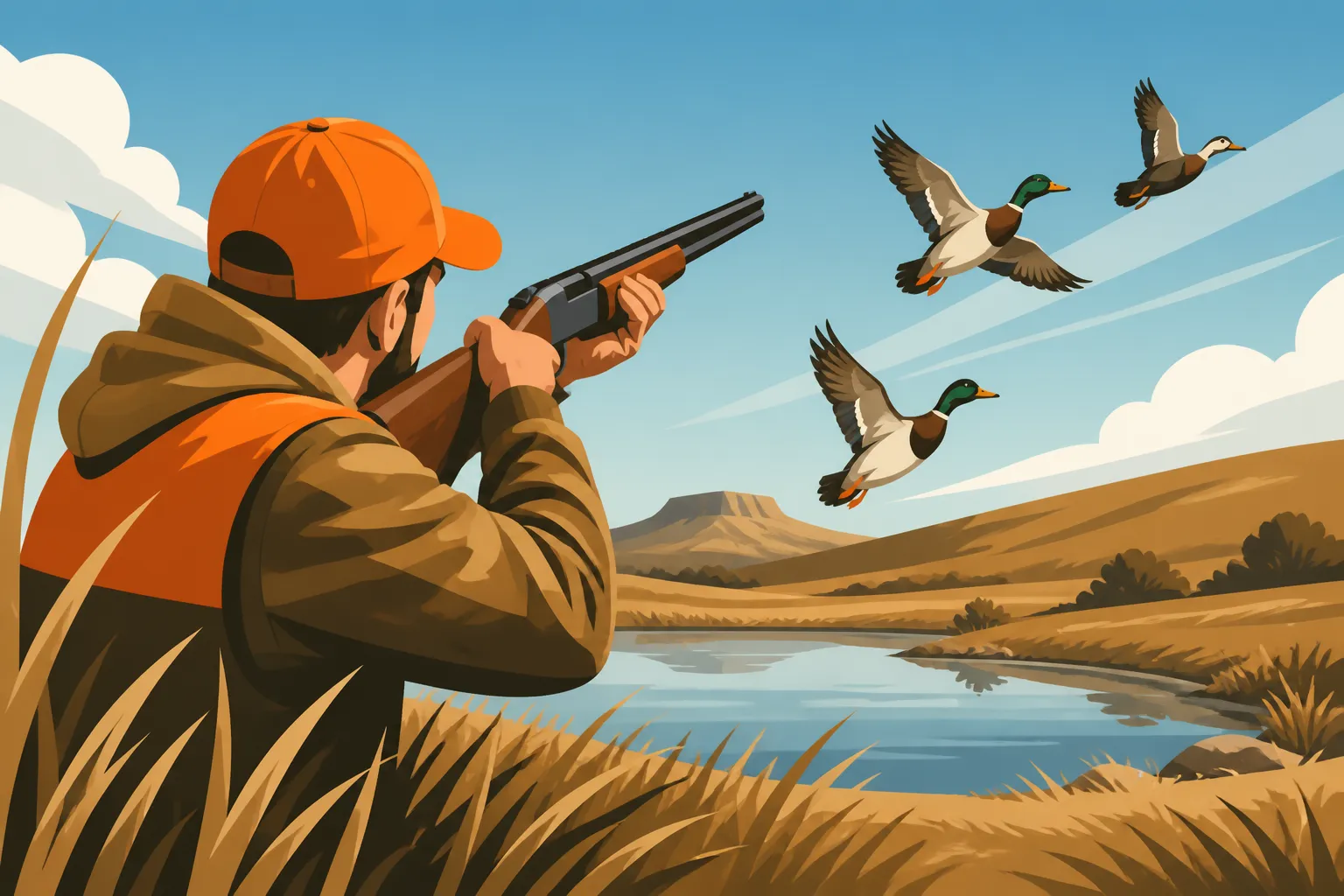
Jump Shooting South Dakota Stock Dams
There's a unique thrill that comes from hunting waterfowl in South Dakota, and while big, elaborate field spreads for geese and ducks are legendary, sometimes the most exciting and accessible action can be found jump shooting small stock dams. Many hunters get intimidated by the gear or the perceived complexity of traditional waterfowl hunting, but jump shooting offers a raw, hands-on experience, often rewarding those who are willing to put in the legwork and read the landscape. This guide will walk you through everything you need to know to successfully jump shoot ducks on South Dakota's numerous stock ponds.
Understanding South Dakota Stock Dams and Waterfowl Behavior
South Dakota's landscape, particularly west of the Missouri River but also significantly in the eastern Glacial Lakes region, is dotted with countless stock dams. These aren't just puddles; they are vital water sources for livestock and, critically for us, magnets for waterfowl. In a state that experiences significant dry spells and often vast stretches of dry land, any body of water, no matter how small, becomes a precious commodity for ducks and geese looking to rest, feed, and loaf.
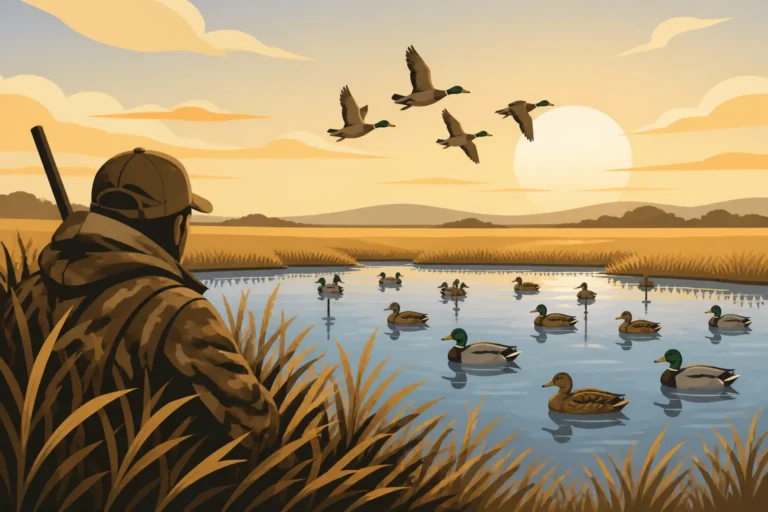
The magic of these dams lies in their simplicity. They're often shallow, allowing ducks to dabble for submerged vegetation, seeds, and aquatic invertebrates. Many are surrounded by tall grass, cattails, or even small shelterbelts, providing crucial cover from predators and the elements. These areas become prime locations for birds to loaf during the day, especially after feeding in nearby grain fields. Common species you'll encounter can vary with the season, but expect to see plenty of mallards, various teal (blue-winged and green-winged, especially early in the season), pintails, and sometimes even wood ducks if there's enough timber nearby. As the season progresses and colder weather sets in, larger ducks like canvasbacks or redheads might appear, driven by ice-up on larger bodies of water. Understanding the nuances of their seasonal movements and preferred habitats is key to success when you're Waterfowl Hunting the South Dakota Prairie.
Waterfowl behavior around stock dams is quite predictable once you know what to look for. Birds will typically fly out to feed in agricultural fields at dawn and dusk. During the mid-morning to late afternoon, they often return to these smaller, secluded waters to rest, preen, and digest. Wind is a huge factor; on a blustery day, ducks will seek out the calmer, lee side of the dam for shelter. A strong cold front can also push new birds into the area, making a once-barren dam suddenly full of life. It’s also worth noting that while ducks might be the primary target, you’ll sometimes jump a small flock of Canada geese or even a few sandhill cranes, so always be prepared and confirm your target species.
Essential Gear and Preparation for Jump Shooting
Before you even think about setting foot on a stock dam, careful preparation of your gear is paramount. Unlike elaborate decoy spreads that require trailers full of equipment, jump shooting is a minimalist's game, but every piece of kit counts. First up, your choice of footwear is crucial. You'll be doing a lot of walking, often through thick cover and potentially muddy or mucky conditions. A good pair of chest waders is almost non-negotiable. They protect you from the cold water, keep you dry, and offer more versatility than hip waders when navigating unexpected drop-offs or deeper sections of a dam. Ensure they fit well and are comfortable for extended treks.
When it comes to your shotgun and ammunition, standard waterfowl setups work perfectly. A 12-gauge is probably the most common choice, offering a good balance of shot payload and versatility, but a 20-gauge can also be very effective, especially for younger hunters or those who prefer less recoil. For shot size, steel shot is legally required for waterfowl, and #2, #3, or #4 are excellent choices, providing enough knock-down power for ducks at typical jump-shooting ranges. Consider a modified or improved cylinder choke for wider patterns, as shots are often close and fast, though a full choke might be useful for longer follow-up shots on running birds. Always make sure you're legally prepared by reviewing the latest South Dakota Waterfowl Seasons and Zones regulations.
Beyond the basics, a few other items will significantly enhance your hunt. Binoculars are absolutely essential for scouting dams from a distance without alerting birds. You'd be surprised how far a duck can spot movement. For navigation and identifying public access, a reliable GPS or a robust mapping app on your phone is invaluable. Services like GoHunt offer detailed satellite imagery and public land overlays, making it easy to identify walk-in areas (WIAs) or national grasslands where stock dams are plentiful. This kind of e-scouting can save you countless hours of driving. Speaking of WIAs, many prime stock dams are located on these accessible lands, so understanding how to best utilize Hunting South Dakota Walk-In Areas is a huge advantage. Finally, dress in layers suitable for South Dakota's unpredictable weather, prioritizing camouflage and waterproof outer layers. A small, durable backpack for extra shells, a drink, and snacks is also a good idea. Don't forget a basic first-aid kit for yourself and your hunting dog, if you're bringing one.
The Art of the Stalk: Techniques for Success
The true essence of jump shooting lies in the stalk. This isn't about sitting in a blind and waiting; it's an active, strategic pursuit that requires patience, observation, and a keen understanding of the terrain. The first step, as mentioned, is thorough scouting from a distance. Use your binoculars to scan the dam without exposing yourself. Look for ripples, flashes of color, or the distinct silhouettes of ducks. Never silhouette yourself on a ridge or skyline. Instead, approach from low ground or use existing cover like rolling hills, tall grass, or the sparse treelines often found near these waters. One of the most critical elements of a successful stalk is moving into the wind. Waterfowl, like most game, typically take off into the wind, giving you precious extra seconds as they gain lift, and it also helps muffle your approach.
Your approach strategy will depend heavily on the dam's layout. If you're hunting solo, you need to be extra stealthy, using every available piece of cover. Crawling, crouching, and moving slowly are your best friends. The goal is to get as close as possible to the dam's edge before flushing the birds. With two or more hunters, you have more options. A common and highly effective tactic is to have one hunter approach the dam from a concealed position while another (or two) acts as a "blocker" or "flanker" on either side, positioned to intercept birds that try to escape wide. The key is coordinated timing – everyone needs to know the plan. Remember, when you're Reading Aerial Imagery for Cattail Cover, you can often identify choke points or thicker cover that ducks will use for escape or concealment, which helps in planning your approach.
The "jump" itself is the moment of truth. Once you've reached a suitable position, burst from cover and yell or whistle to get the birds airborne. This sudden movement and sound often causes them to flush quickly. Be ready to mount your gun and shoot immediately. Focus on one bird, get a good swing, and make a clean shot. Don't forget the importance of follow-up shots on any birds that are only wounded, minimizing crippling loss. Retrieving downed birds is another critical step. If you have a good retriever, this is their moment to shine. If not, mark the fall carefully and be prepared to wade out into the water to retrieve your bird. This is where your waders truly earn their keep. After shooting one dam, circle around to the next. Often, successful jump shooters will work a circuit of several dams, hitting them at different times of the day to catch birds moving between feeding and loafing areas.
A well-known mapping tool like GoHunt can be invaluable here, allowing you to mark productive dams and plan efficient routes between them. Knowing how to use these tools for E-Scouting Walk-In Areas Before the Season will give you a significant edge.
Safety and Ethics on the Water
Jump shooting, while exhilarating, demands an even greater commitment to safety and ethical hunting practices. Because you're often moving through thick cover and surprising birds, situational awareness is paramount. Always, always be mindful of your muzzle direction. When flushing birds, you might have partners, roads, or even farm buildings behind the dam. Know what’s beyond your target before you pull the trigger. Ensure you have a clear backstop and that your shot pattern will land safely.
Hunter ethics are also critical, especially when you're hunting in close proximity to private land, which is common in South Dakota. Respect posted land boundaries and understand the rules for retrieving game that crosses property lines. Always pick up your spent shotgun shells. Not only is it good for the environment, but it also shows respect for the land, whether it’s public WIA ground or private land you’ve been granted permission to access. If you're utilizing public ground, be courteous to other hunters. There’s enough ground and enough birds for everyone.
Water safety deserves special mention. While stock dams might seem innocuous, they can have unpredictable depths, soft mud bottoms that can bog you down, and hidden debris. If you're wading into deeper water, especially alone, consider wearing a personal flotation device (PFD). In late season, ice can be a major hazard. Never venture onto thin ice, and be aware that even seemingly solid ice can be deceptively weak near shorelines or over springs. Your waders offer protection from cold water, but they won't save you if you fall through ice or get swept away. It's also vital to be able to positively identify the species of bird before you shoot. Bag limits vary, and certain species may be protected. A good field guide can be your friend here.
A quick note on your hunting companions: if you’re bringing a dog, make sure they are well-trained and conditioned for the task. The varied terrain and cold water can be tough on paws and bodies, so plan for proper hydration and breaks. For more insights on appropriate footwear for the long hauls, check out Boots for Walking Cattails All Day. Finally, always be aware of legal shooting hours for waterfowl in South Dakota. Typically, this begins 30 minutes before sunrise and extends to sunset. Sticking to these rules is not just about legality; it's about respecting the game and ensuring a fair chase. For a broader refresher on safe hunting, consider reading up on South Dakota Hunter Safety Requirements.
A Table of Jump Shooting Considerations
To help summarize some key decision points, here's a quick table for jump shooting stock dams:
| Factor | Optimal Conditions/Strategy | Less Favorable Conditions/Adjustments |
|---|---|---|
| Weather | Cloudy, windy days (ducks seek shelter on lee side), light rain | Clear, calm days (birds see you easily, more scattered) |
| Time of Day | Mid-morning to late afternoon (loafing period) | First light/last light (birds often feeding in fields) |
| Approach | Into the wind, using terrain and heavy cover, slow and deliberate | Downwind, exposed approach, rushing |
| Hunter Count | Solo (stealth, intimate experience); Duo (flusher/shooter advantage) | Large groups (more noise, harder to coordinate, less stealthy) |
| Shot Timing | Birds flushing close, rising into the wind, clear shot | Birds flushing wild and far, unclear shot lanes |
| Retrieval | Hunting dog, clear mark, safe wading | No dog, poor mark, deep/muddy water, dangerous ice |
| Scouting | Binoculars, GoHunt app, satellite maps, prior knowledge | "Blind" approach, no prior knowledge of dam status |
Jump shooting South Dakota stock dams can be one of the most rewarding ways to hunt waterfowl, offering a unique blend of challenge, physical activity, and raw, close-up action. With the right preparation, a smart approach, and a strong commitment to safety and ethics, you'll find yourself making memories on the prairie that last a lifetime.
Disclaimer
The information provided in this article is for educational purposes only and is not intended to be a substitute for professional advice. Always consult the official South Dakota Game, Fish and Parks regulations and local authorities before engaging in any hunting activities. Hunting involves inherent risks, and safety should always be your top priority.