Asking About Physical Demands
It’s easy to get caught up in the excitement of planning a South Dakota hunt—the anticipation of flushing roosters, the thrill of glassing a mule deer buck, or the rush of decoying ducks. But overlooking the physical demands of the actual hunt can quickly turn an incredible experience into a grueling test of endurance. This guide will help you understand what questions to ask and how to prepare so you can enjoy every moment in the field, not just survive it.
Why Physical Demands Matter for a South Dakota Hunt
When you're dreaming of wide-open spaces, it's easy to picture yourself effortlessly strolling through fields. The reality of hunting in South Dakota, however, often involves much more physical exertion than many anticipate. Ignoring this crucial aspect can lead to disappointment, exhaustion, and even compromise your safety in the field. Understanding the true physical nature of your chosen hunt ensures you arrive prepared, both mentally and physically, for the adventure ahead.
Understanding the Terrain and Cover
South Dakota boasts an incredibly diverse landscape, and each type of terrain brings its own set of physical challenges. If you're chasing pheasants, you might find yourself slogging through dense, chest-high cattail sloughs that feel like quicksand with every step. These can be incredibly taxing, especially when wet or frozen. Then there are the vast CRP fields, which, while appearing flat, can conceal uneven ground, hidden draws, and thick, tangled grasses that grab at your boots and tire your legs surprisingly quickly. Walking and Blocking South Dakota Cattail Sloughs is a prime example of a physically demanding tactic.
West River deer or antelope hunts can involve endless miles of walking over rolling prairie, navigating steep-sided coulees, and traversing sagebrush flats where every step is uneven. Even what looks like a gentle slope on a map can be a lung-burning climb in person, especially when carrying a rifle, optics, and a daypack. The Black Hills, with its steep ridges and dense Ponderosa pine forests for elk hunting, presents entirely different challenges of elevation gain and navigating rugged, rocky ground. Each environment requires a specific type of stamina and muscle engagement.
Impact on Enjoyment and Safety
Imagine being halfway through a long pheasant drive, your legs burning, lungs heaving, and your dog still full of energy, only to realize you can’t keep up. That feeling of being physically overwhelmed detracts from the joy of the hunt. You might miss opportunities because you're too tired to react quickly, or you might start making mistakes that impact shot placement or safety. Nobody wants to be the person slowing down the group or needing frequent, prolonged breaks.
Beyond enjoyment, safety is a huge concern. Exhaustion can lead to missteps, falls, and injuries, particularly in uneven terrain or when traversing thick cover. It can impair judgment, which is dangerous when handling firearms or navigating unfamiliar landscapes. In remote West River country, a twisted ankle due to fatigue could turn a minor inconvenience into a serious situation, far from immediate help. Layering for South Dakota Wind is essential for comfort, but physical exertion will test those layers.
Managing Expectations for Success
The truth is, your physical condition often directly correlates with your hunting success. If you can cover more ground comfortably, you increase your chances of finding game. If you're not winded after a long stalk, you'll be more stable for that crucial shot. Hunters who are physically prepared tend to be more patient, more focused, and more resilient when conditions get tough. They can stay out longer, hunt harder, and ultimately, put themselves in more advantageous positions.
Setting realistic expectations based on your fitness level means you can have a conversation with your outfitter or hunting partners about what's achievable. It might mean opting for a less physically demanding area, bringing an ATV for retrieval, or focusing on shorter, more strategic hunts rather than all-day marches. Going into the hunt with a clear understanding of your capabilities and the demands of the environment will lead to a much more satisfying and successful experience.
Key Questions to Ask Outfitters and Hosts
When you're looking to book a guided hunt or planning a trip with a private landowner, one of the most critical, yet often overlooked, discussions to have is about the physical expectations. Don't be shy here; being upfront benefits everyone involved. A reputable outfitter or host will appreciate your honesty and will be able to provide accurate information or even tailor the experience to your capabilities. This is where researching services on platforms like BookYourHunt can give you an initial overview, but direct questions are key.
Daily Mileage and Pace
This is arguably the most important question for any walk-in hunt. You need to know: "What's a typical day look like in terms of distance covered on foot?" Are you expected to walk three miles, five miles, or even eight to ten miles in a day? This can vary wildly depending on the species and the specific hunting method. For pheasant hunting, a typical drive might be half a mile to a mile, but you could do many such drives in a day. For mule deer, it could mean glassing for hours and then covering several miles on a stalk.
Also inquire about the pace. Is it a leisurely stroll, or are you expected to keep up with an energetic guide and a string of eager dogs pushing dense cover? Some hunts involve slow, methodical pushes, while others require more aggressive, faster walking to get ahead of running birds. Understanding the rhythm of the hunt will help you mentally and physically prepare. Don't forget to ask about breaks – how often, and for how long? Are there opportunities to sit down, rehydrate, and refuel?
Type of Terrain Encountered
Beyond just "walking," the type of walking is crucial. South Dakota's varied landscape means you need to get specific. Ask: "Will we be primarily hunting flat CRP fields, or will we be slogging through thick cattail sloughs? Are there hills or draws involved in the deer country? What about navigating shelterbelts with tangled brush?" Each of these presents a different challenge. South Dakota Whitetail Hunting in River Bottoms implies a different set of physical demands than Spot-and-Stalk Antelope Hunting in South Dakota.
Consider asking for visual aids if possible. Many outfitters have photos or videos of their hunting areas. You could even ask for specific GPS coordinates to look at satellite images yourself via tools like GoHunt, giving you a bird's-eye view of the topography and cover density. Understanding the elevation changes and surface underfoot (mud, snow, rocky ground, tall grass) will give you a much clearer picture of the stamina required.
Retriever Dog Workload and Hunter Participation
For bird hunts, especially pheasants, the dogs do a lot of the heavy lifting when it comes to finding and flushing birds. However, hunters are still expected to actively participate in the push. Ask: "How much of the cover are hunters expected to push versus the dogs? Are we walking the edges, or are we expected to walk right into the middle of thick cover?" Some hunts involve hunters spread out in a line, methodically covering every inch of ground, which is very demanding.
If dogs are working dense areas like cattails, hunters might be positioned as "blockers" on the ends, but even blocking can require quick reflexes and walking along difficult edges. If you're bringing your own dog, you also need to factor in managing your dog's energy and safety alongside your own. Pointing Dogs Versus Flushers on Wild Birds will operate differently and impact how much ground you might cover and how fast. Don't forget to ask about managing your dog's hydration and potential for burrs, especially in warm weather. Dog Water and Burrs on the Prairie can be a major factor.
Game Retrieval Challenges
The hunt doesn't end when the shot is fired. Retrieving game, especially larger animals like deer or elk, can be the most physically demanding part of the entire experience. Ask about: "What's the typical retrieval process? How far might we need to drag an animal? Is ATV or vehicle access available to help with game recovery?" Hauling a 150-pound deer out of a deep coulee or a mile across open prairie is an entirely different beast than walking with a shotgun.
Even for pheasants, if a bird goes down in particularly thick cover or across a fence line, you might be scrambling and pushing through brush to locate it. This effort adds up over a day. For big game, understand the terrain where animals are typically harvested. Getting a Deer Out of a South Dakota Coulee is a very real challenge many hunters face. Be prepared to field dress an animal quickly and efficiently, as that also takes physical effort, especially if done standing or kneeling in awkward positions.
Assessing Your Own Fitness and Preparing for the Hunt
It’s easy to think, "I'm in decent shape, I walk my dog every day." But hunting fitness is a specialized kind of fitness. It often involves sustained effort over uneven terrain, carrying gear, and sometimes bursts of intense activity. Being honest with yourself about your current physical capabilities is the first, most crucial step in preparing for a successful and enjoyable South Dakota hunting trip.
Honest Self-Assessment
Before you even start talking to outfitters or making travel plans, take a long, hard look in the mirror (metaphorically, of course). How active are you really? Can you walk for several hours straight without significant discomfort? Can you climb a flight of stairs without getting winded? Can you carry a moderately heavy pack for a mile or two? These aren't judgments; they're realistic benchmarks. Think about your strengths and weaknesses. Perhaps you have good cardiovascular endurance but weak ankles, or strong legs but limited flexibility.
Consider any pre-existing conditions or injuries. Have you had knee surgery? Does your back bother you after long walks? These are not necessarily disqualifiers, but they are critical factors to acknowledge. Your self-assessment should be brutally honest, as it forms the foundation of your preparation plan. It’s far better to know your limits beforehand and plan accordingly than to discover them painfully in the middle of a remote South Dakota field.
Tailoring Your Fitness Regimen
Once you know where you stand, you can craft a fitness plan specifically for hunting. Forget endless bicep curls; focus on functional strength and endurance.
- Walking, Walking, Walking: This is paramount. Start walking regularly, increasing your distance and pace gradually. Mimic hunting conditions: walk on uneven ground, through tall grass (if available), and up and down hills. Wear the boots you plan to hunt in to break them in and identify any hot spots.
- Carrying Weight: Gradually add weight to a backpack as you walk. Start with a few pounds and build up to what you'd typically carry on a hunt (water, snacks, extra layers, first-aid kit, rifle). This simulates the real load.
- Leg and Core Strength: Incorporate exercises like squats, lunges, step-ups (think climbing over fences or into blinds), and planks for core stability. Strong legs and a strong core will prevent fatigue and reduce the risk of injury when navigating difficult terrain or dragging game.
- Flexibility and Stretching: Don't underestimate the power of good flexibility. Stretching before and after your workouts and hunts can prevent muscle soreness and improve your range of motion, which is vital for getting into awkward shooting positions or negotiating thick cover.
Gradual Conditioning and Pre-Hunt Practice
Consistency is key, and starting early is even more critical. Don't wait until two weeks before your hunt to begin training. Aim for at least 2-3 months of consistent effort. Your body needs time to adapt, strengthen, and build endurance.
As your hunt approaches, try to simulate actual hunting days. If you're going pheasant hunting, try a long walk with your shotgun (unloaded, of course) for a few hours, then take a short break, and then go again. If you're planning a big game hunt, practice prone shooting positions after a strenuous walk to get used to controlling your breathing and heart rate for accurate shots. Consider a practice session for Rifle Setup for South Dakota Open Country and practice quickly getting into stable shooting positions after movement. This helps build muscle memory and mental toughness. Think of it as a dress rehearsal for your body.
Communicating Your Needs and Limitations
Even with the best preparation, we all have our limits. The key to ensuring a successful and enjoyable hunt, regardless of your fitness level, is clear and honest communication with your outfitter, guide, or hunting partners. They are there to help facilitate your experience, and they can only do that effectively if they understand your capabilities and any specific needs you might have.
Open Dialogue with Your Outfitter
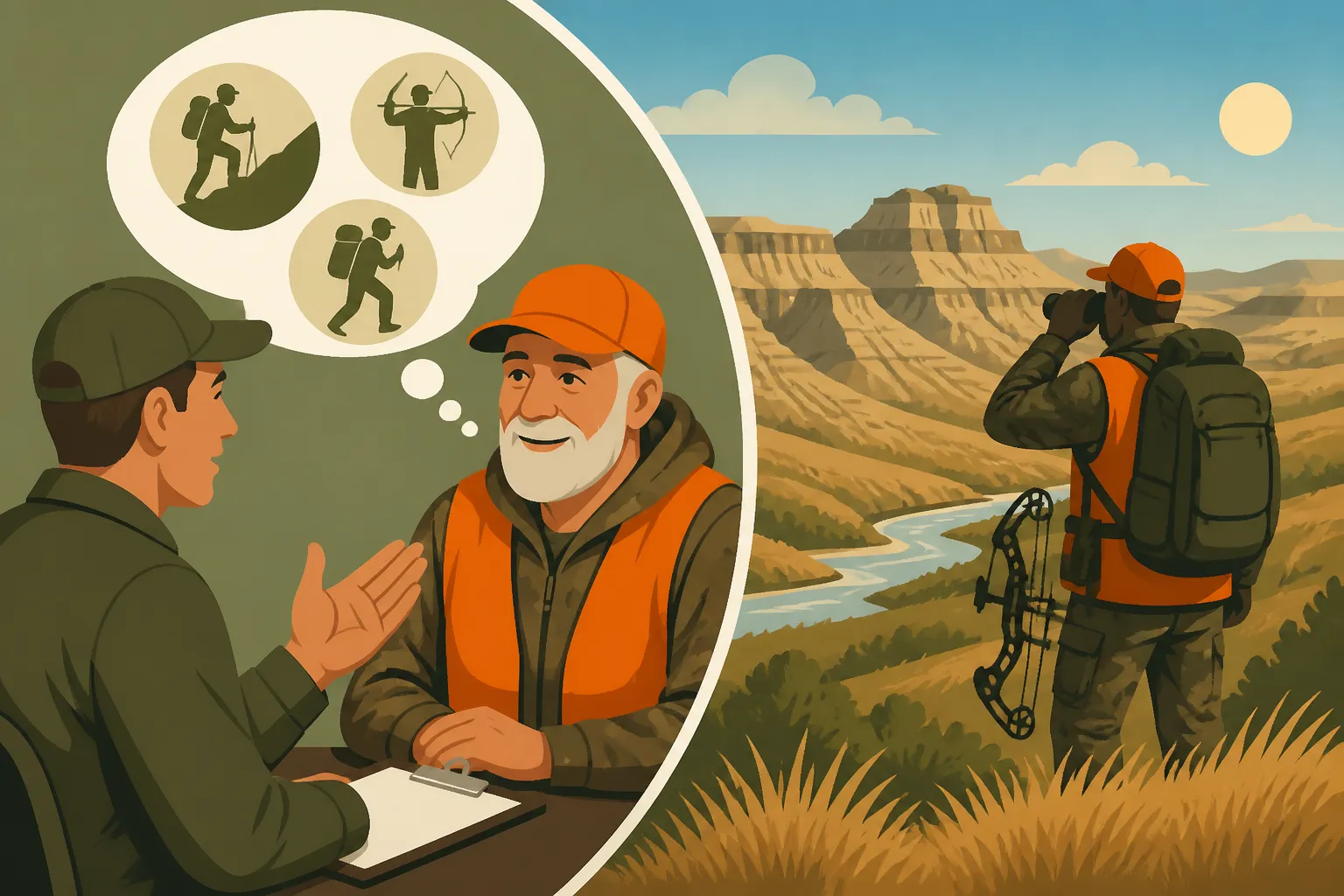
When you're discussing your hunt, whether it's over the phone or via email, be completely transparent about your physical condition. Don't exaggerate your capabilities, and certainly don't downplay any limitations. If you have a bad knee, if you can only comfortably walk a certain distance, or if you need more frequent breaks, say so upfront. A good outfitter, like those you might find on BookYourHunt, wants you to have a great time and will work with you.
Asking specific questions about the physical demands (as outlined above) and then explaining your personal situation allows them to make informed decisions about where and how you’ll hunt. Perhaps they have certain fields that are less challenging, or they can ensure a vehicle is closer for pickups. This open dialogue also helps manage expectations on both sides, avoiding any uncomfortable surprises once you're in the field. Questions to Ask a South Dakota Outfitter should always include physical demands.
Adjusting Hunt Plans and Expectations
Based on your honest communication, outfitters can often make adjustments. For a pheasant hunt, this might mean starting with shorter walks in lighter cover and working up to more challenging areas if you feel good. It could involve strategically placing you as a blocker rather than a walker in a long drive, allowing others to push the thickest cover. For deer or antelope, it might mean utilizing vehicle access for glassing more extensively, reducing the amount of ground you cover on foot, or planning shorter, less strenuous stalks.
Remember, the goal is a positive experience. If you know you can't keep up with a group doing ten miles a day through cattails, articulate that. Your outfitter might suggest a hunt focusing more on Working South Dakota Shelterbelts for Roosters, which can sometimes be less demanding than vast grasslands or sloughs. By being proactive, you empower your guide to craft a hunt that is both challenging and achievable for you.
Gear Considerations for Comfort and Performance
The right gear can significantly mitigate physical demands and enhance your comfort. Footwear is paramount. Invest in high-quality, broken-in hunting boots that offer excellent ankle support and waterproofing. Boots for Walking Cattails All Day are a must-have for pheasant country. Blisters or wet feet will quickly turn any hunt into a miserable ordeal, regardless of your fitness.
Consider lightweight yet durable clothing suitable for South Dakota's often variable weather. Layers are always a good idea, as you'll be shedding them during periods of exertion and adding them back during breaks or when the wind picks up. A good hydration system, whether a water bottle or a hydration pack, is essential to prevent fatigue and cramps. Ensure your pack is comfortable and properly fitted to distribute weight evenly, reducing strain on your back and shoulders. Using a reputable platform like GoHunt for gear research can help ensure you're getting suitable equipment for your specific hunt demands.
Comparative Physical Demands of South Dakota Hunting
Understanding the general differences in physical exertion for various South Dakota hunting experiences can help you prepare and ask the right questions. While individual hunts will always vary, this table provides a typical overview.
| Hunt Type | Typical Terrain | Common Activity | Physical Demand Level | Notes |
|---|---|---|---|---|
| Pheasant Hunting | CRP fields, cattail sloughs, shelterbelts, creek bottoms | Sustained walking, pushing dense cover, navigating uneven ground | Moderate to High | Can involve significant slogging, especially in wet/frozen conditions. Bursts of speed to keep up with dogs. |
| Mule Deer Hunting | Rolling prairie, steep coulees, sagebrush flats, broken breaks | Glassing, long walks, strenuous stalking | Moderate to High | Requires good cardiovascular endurance for elevation changes and long distances. Prone shooting positions. |
| Whitetail Deer Hunting | River bottoms, timber strips, agricultural fields | Stand hunting (sitting), walking to/from stands, short stalks | Low to Moderate | Less continuous walking, but can involve navigating dense timber or muddy riverbanks. |
| Pronghorn Antelope | Open prairie, slight rolling hills, draws | Glassing, very long walks, low-profile stalking | Moderate | Often involves covering vast distances, crawling, and holding still for long periods. |
| Black Hills Elk | Steep timbered ridges, rocky slopes, thick Ponderosa pine | Significant uphill/downhill hiking, navigating dense timber | High | Demands excellent cardiovascular fitness, leg strength, and stamina for rugged terrain. |
| Waterfowl Hunting | Prairie potholes, cut fields, river edges | Walking to/from blinds, setting decoys, sitting in blinds | Low to Moderate | Can involve wading, carrying heavy decoys, and enduring cold/wet conditions. |
Disclaimer
This article is for general informational purposes only and does not constitute professional advice. Laws, prices and regulations vary by location and change over time. Consult a qualified professional for guidance on your specific situation.