South Dakota Snow Goose Guides in Spring
The thought of chasing snow geese across the vast South Dakota prairie in the spring is undeniably thrilling, but the reality of actually connecting with those massive, fast-moving flocks can be incredibly daunting. Many hunters envision epic decoying action, only to be met with endless miles of empty fields, frustrated by birds that seem to vanish into thin air or flair at impossible distances. It's a huge undertaking, often requiring specialized gear, intimate knowledge of bird movements, and access to the right ground. This guide is here to walk you through everything you need to know about spring snow goose guides in South Dakota, helping you decide if a guided hunt is the key to unlocking those unforgettable experiences.
Why Hire a Spring Snow Goose Guide in South Dakota?
Let's be honest, the spring snow goose conservation order hunt isn't your average duck hunt. It's a logistical beast, an exercise in scale, and a constant battle against the elements and highly educated birds. Trying to tackle it solo, especially for the first time, can quickly lead to burnout and empty game straps. This is where a good guide truly shines, offering an invaluable advantage.
Navigating the Sheer Scale and Speed of the Migration
The sheer number of snow geese moving through South Dakota during the spring migration is staggering, but that doesn't mean they're easy to find or hunt. These birds can cover hundreds of miles in a day, often skipping entire sections of the state if weather or food conditions aren't to their liking. What might be a hot field one afternoon could be completely devoid of birds the next morning. It's an incredibly dynamic situation that requires constant scouting and adaptability.
Imagine spending days driving country roads, trying to locate a feed field holding thousands of birds, only to have them move on overnight. It's a common frustration. Guides, however, have their fingers on the pulse of the migration. They often have multiple scouting teams, network with other guides, and are out day and night tracking bird movements. This constant, dedicated effort means they're usually one step ahead, putting you on fresh birds that are actively feeding. Their understanding of Waterfowl Hunting the South Dakota Prairie runs deep, often knowing specific flyways, staging areas, and traditional feeding grounds that might not be obvious to an outsider.
Specialized Equipment and Decoy Spreads
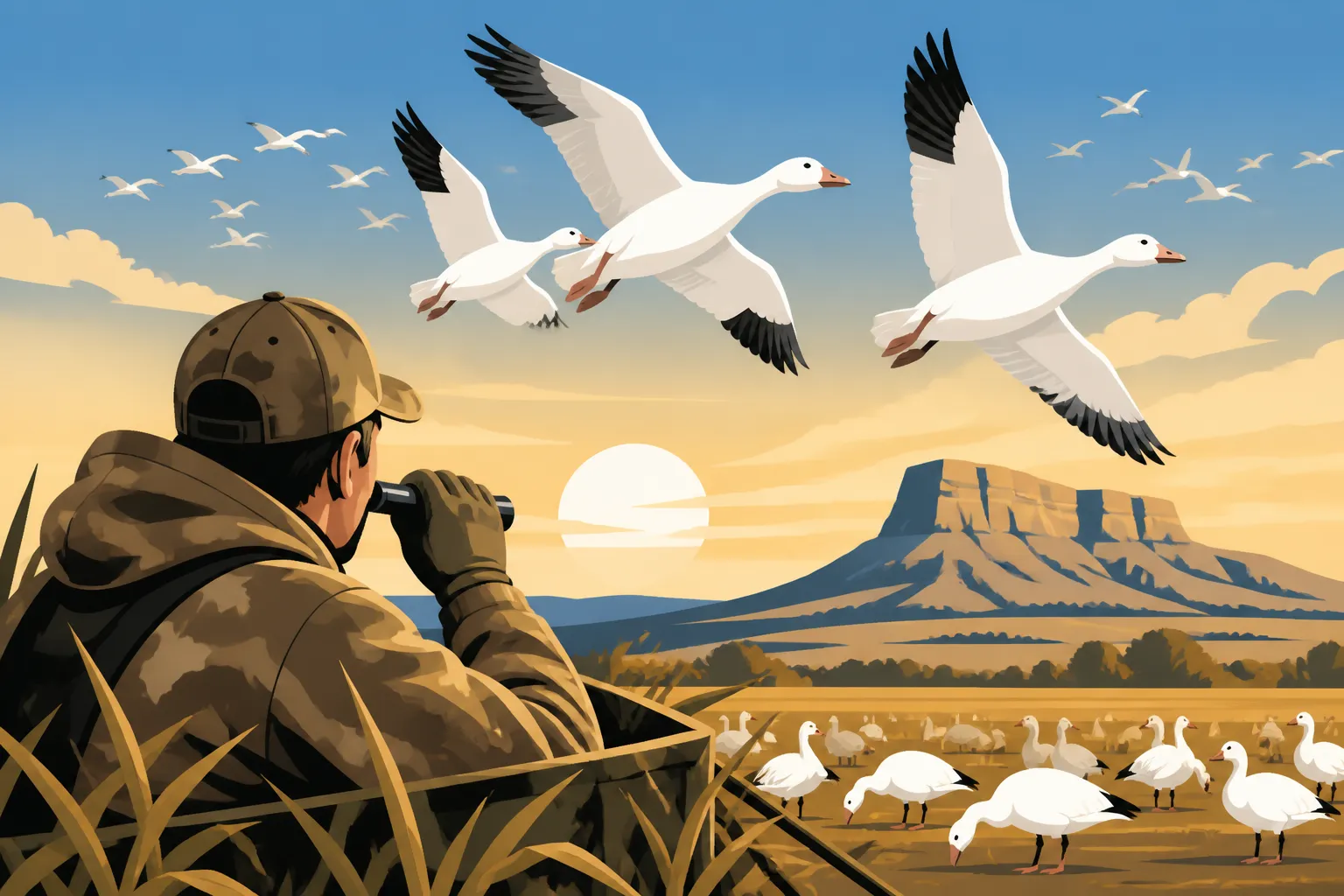
To consistently kill snow geese, especially mature birds, you need a decoy spread that looks like an irresistible buffet. We're not talking about a dozen floaters here; we're talking about spreads numbering in the hundreds, often thousands, of decoys. These can include full-body decoys, silhouette decoys, windsock decoys, and rotary machines, all strategically placed to mimic a feeding flock. Add to that the powerful electronic callers, often running multiple speakers, that are critical for drawing in birds from a distance, and the specialized layout blinds that keep hunters concealed in open fields.
Acquiring, transporting, setting up, and taking down this immense amount of gear is a monumental task. A top-tier snow goose spread represents a significant investment in both money and time. Think about hauling several trailers full of decoys to a field in the dark, meticulously placing each one, and then picking it all up, often covered in mud and goose droppings, at the end of a long day. Guides have all this equipment, and more importantly, they have the experienced crews to manage it efficiently. This takes a massive burden off your shoulders, allowing you to focus purely on the hunt. For hunters wondering about setting up in cut corn, a guide is particularly adept at Field Hunting Geese in South Dakota Cut Corn, having the right decoys and blinds for such specific environments.
Accessing Prime Private Land
South Dakota has a lot of public hunting land, which is fantastic for many species. However, for spring snow geese, the most productive fields are almost always on private land. These birds key into specific agricultural fields, often cut corn or bean stubble, that offer the best forage. Gaining permission to hunt these highly sought-after spots can be incredibly difficult for individuals, especially non-residents. Farmers are often inundated with requests, and many simply prefer to work with established guides they trust.
Guides often have long-standing relationships with numerous landowners, securing access to thousands of acres across different counties. This network is crucial because birds move, and having multiple options allows a guide to follow the migration and adjust based on bird concentrations. Without this access, you're left to scout public areas or try your luck knocking on doors, which is time-consuming and often fruitless during such a competitive and mobile hunt. The value of pre-arranged, prime land access cannot be overstated for spring snow goose hunting.
What to Expect from a Spring Snow Goose Guided Hunt
Once you've decided a guide is the way to go, understanding the rhythm of a spring snow goose hunt is key to managing your expectations and making the most of your experience. These hunts are an intense blend of strategy, hard work, and thrilling moments.
The Daily Routine: From Dark to Decoy Pickup
Be prepared for early mornings. A typical spring snow goose hunt starts well before dawn. You'll meet your guide and crew, likely grab a quick coffee, and then head out to the chosen field. The first major task is setting up the decoy spread in the dark. This is hands-on work, and as a client, you'll be expected to pitch in, helping to deploy decoys, position layout blinds, and run electrical cords for the e-callers. It's physical labor, but it's also part of the camaraderie and build-up to the hunt.
Once the spread is meticulously arranged and everyone is tucked into their Layout Blinds on South Dakota Stubble, the waiting game begins. As legal shooting light approaches, the anticipation builds. The guide will constantly monitor the sky, adjusting call volumes and strategies as birds begin to fly. A hunt can last several hours, often until midday, or longer if birds are flying consistently. Don't be surprised if there are lulls; patience is a virtue in this game. If the birds aren't cooperating or a better opportunity arises, the guide might suggest moving the entire spread to a new location, which means another full setup and takedown. The day concludes with picking up every last decoy, often long after sunset, before heading back to clean birds and prepare for the next day.
Decoy Spreads and Calling Techniques
The effectiveness of a spring snow goose guide largely hinges on their decoy spreads and calling prowess. You'll likely encounter massive spreads, sometimes numbering 1,000 to 2,000 decoys or more, consisting of a mix of full-bodies, shells, and windsocks designed to simulate a massive feeding frenzy. Rotary machines with flapping wings are often strategically placed to add motion and catch the eye of distant flocks. The guide will have a powerful electronic caller, or "e-caller," legally allowed during the conservation order, playing recordings of thousands of geese feeding and chattering.
But it's not just about turning on a sound system. The guide's skill comes in reading the birds. They'll adjust call volume and tone based on how high the birds are flying, their direction, and their reaction to the spread. Often, they'll use mouth calls in conjunction with the e-caller to add subtle, realistic sounds that can seal the deal on wary birds. Understanding when to be aggressive with the call and when to back off, how to use the wind, and where to position hunters within the spread are all critical skills a seasoned guide possesses. This mastery of Layout Blind Concealment in Stubble combined with expert calling is what makes a huge difference between a mediocre day and an incredible one.
Hunter Responsibilities and Gear List
While a guide handles most of the heavy lifting, your participation is still crucial. You'll be expected to help set up and take down the spread – this is part of the experience and helps the team operate efficiently. Beyond that, your primary responsibility is safe gun handling and effective shooting. Snow geese are tough birds, and hitting them consistently, especially when they're cupped and dropping into the spread, requires practice.
When it comes to gear, you'll need your shotgun (many hunters opt for 12-gauge semi-automatics capable of holding several shells), a generous supply of ammunition (at least a case, sometimes two, of heavy goose loads like BB, BBB, or T size steel shot), and appropriate hunting attire. Layering is key, as spring weather in South Dakota can be highly variable – from freezing mornings to warm afternoons. Waterproof and windproof outer layers are essential. Don't forget a hat, gloves, eye protection, and ear protection. You'll also want to bring plenty of water, snacks, and perhaps a small bag for your personal items that can fit inside your layout blind. The guide will usually specify what licenses you need, but generally, it involves a small game license, a habitat stamp, and a federal duck stamp. Remember, while the general duck season has specific South Dakota Duck Bag Limits, the spring snow goose conservation order has no daily bag or possession limits, but you still need to be licensed correctly. It's always a good idea to confirm your South Dakota Federal Duck Stamp Rules and South Dakota HIP Registration requirements with your guide beforehand.
Understanding South Dakota Spring Snow Goose Guide Packages
When you're looking to book a spring snow goose hunt, you'll find a range of packages and price points. Understanding what's typically included (and what's not) and the factors that influence costs will help you choose the right outfit for your budget and expectations.
Typical Package Inclusions and Exclusions
Most South Dakota spring snow goose guide packages will cover the core elements essential for a successful hunt. This usually includes the services of an experienced guide and their scouting team, access to private hunting land, the use of their extensive decoy spread (full bodies, silhouettes, windsocks, rotary machines), and electronic callers. Layout blinds are almost always provided, ensuring you have proper concealment in the open fields. Transportation to and from the hunting fields from a designated meeting point is also typically part of the deal. Essentially, the guide provides all the infrastructure and expertise to put you on the birds.
However, it's crucial to understand what's not included. Your hunting licenses (South Dakota small game license, state habitat stamp, federal duck stamp) and South Dakota Waterfowl Seasons and Zones specific licenses are almost always your responsibility. Ammunition is a significant expense and is never included; you'll need to bring plenty. Lodging and meals are often separate, though some higher-end operations might offer all-inclusive packages or have preferred local accommodations. Bird cleaning and packaging can be an additional service or something you're expected to do yourself. Always get a clear breakdown of what's covered before you commit. This is where it's helpful to look at general South Dakota Waterfowl Guide Packages to compare.
Factors Influencing Guide Prices
The cost of a spring snow goose hunt can vary widely based on several factors. The most obvious is the duration of the hunt; a single-day hunt will be less expensive than a multi-day package. Multi-day hunts often include a discount per day and give you more opportunities to hit peak migration days or rebound from bad weather. The size of your group can also play a role; some guides offer per-person rates that decrease with larger groups, while others charge a flat daily rate for a private party.
The time of the season also impacts pricing. Early spring or late spring hunts, when bird concentrations might be more scattered, could sometimes be slightly less expensive than prime-time weeks when the migration is in full swing. The guide's reputation, success rate, and the amenities they offer (e.g., heated blinds, more comfortable lodging, included meals) will also affect the price. Higher-end operations with years of proven success and state-of-the-art equipment naturally command higher fees. When you're browsing options, platforms like BookYourHunt can be a useful tool to compare different guide services and their offerings, giving you a broader sense of the market.
Booking and Deposit Considerations
Spring snow goose hunting is incredibly popular, and the best guides book up fast, often a year or more in advance. If you have specific dates in mind, especially during what's typically the peak migration window in March or early April, it's wise to book as early as possible. Most guides will require a deposit, usually 50% of the total hunt cost, to secure your dates. This deposit is almost always non-refundable, as it holds your spot and covers the guide's pre-season expenses.
Always get a written contract or confirmation that clearly outlines the hunt dates, total cost, deposit amount, payment schedule, and cancellation policy. Understand what happens if you need to cancel, or if the guide has to cancel due to unforeseen circumstances like extreme weather (though snow goose hunts usually run rain, snow, or shine). Some guides might offer to roll your deposit over to another date or the following season if they can rebook your original slot. Clear communication upfront about these terms is essential to avoid any misunderstandings down the road.
Choosing the Right South Dakota Snow Goose Guide
With a good understanding of what spring snow goose hunting entails, the next step is finding the right guide to lead your adventure. This isn't a decision to rush; a good guide can make or break your trip.
Researching Reputation and Experience
Start by researching guides who specialize in spring snow goose hunting in South Dakota. Look for operations that have been around for several years and have a proven track record. Online forums, social media hunting groups, and dedicated hunting resource sites can be great places to find recommendations and read reviews. Websites like GoHunt might also provide information or directories that can help you identify reputable guides operating in the region.
Don't just look at their highlight reel of big piles of birds; try to gauge their consistency, their professionalism, and how they handle challenging days. Reach out to guides you're considering and ask for references from past clients. A reputable guide will be happy to provide contact information for several people. When you speak to references, ask about the guide's communication, their equipment, their crew, their safety protocols, and whether the hunt met their expectations. Pay attention to how the guide answers your questions – transparency and clear communication are excellent indicators of professionalism.
Asking Key Questions Before Booking
Before you put down a deposit, have a comprehensive list of questions ready for any prospective guide. This due diligence can save you from unpleasant surprises. Here are some essential questions:
- What is your guide-to-hunter ratio? This impacts the level of individual attention you'll receive.
- What is included in the package price, and what expenses am I responsible for? Reiterate the inclusions/exclusions.
- What is your typical daily schedule? (e.g., meeting time, hunt duration, expected finish time).
- What kind of land do you primarily hunt (cut corn, wheat, stubble)? This gives you an idea of the terrain.
- What is your bird cleaning policy? Do they offer it, is there an extra fee, or are you expected to do it yourself?
- What happens if weather conditions prevent us from hunting? Is there a reschedule policy, or a refund?
- What is your experience level specifically with spring snow geese in South Dakota? Some guides may be excellent at fall hunts but less experienced with the unique challenges of spring.
- What kind of shotgun and ammunition do you recommend? Confirming this helps you prepare correctly.
- Do you offer any guarantee of birds? Be wary of guides who guarantee specific numbers of birds; this is a wild bird hunt, and guarantees are unrealistic. A good guide offers a quality opportunity.
- How do you handle wounded birds? A responsible guide will emphasize ethical pursuit of all crippled birds.
Red Flags and Trust Signals
As with any significant booking, there are red flags to watch out for and trust signals to embrace. A major red flag is a guide who offers unrealistic guarantees about bird numbers. While guides strive for success, hunting wild animals always has an element of unpredictability. Any guide promising "limits every day" or "thousands of birds guaranteed" might be overpromising. Another red flag is a lack of transparency regarding pricing, inclusions, or cancellation policies. If they seem cagey about answering questions or don't offer a written contract, proceed with extreme caution.
On the other hand, strong trust signals include clear, prompt, and honest communication from the very first contact. A guide who is upfront about the challenges as well as the rewards of the hunt is a good sign. When they provide detailed information about their services, have a professional website, and readily offer references, it generally indicates a well-run operation. The most reliable guides are passionate about what they do, prioritize safety, and are committed to providing a memorable experience, regardless of the final bird count. They understand that the overall experience, from the camaraderie in the blind to witnessing the incredible migration, is just as important as the birds in the bag.
DIY vs. Guided Spring Snow Goose Hunting in South Dakota
Making the choice between a self-guided (DIY) hunt and hiring a guide for spring snow geese in South Dakota is a common dilemma. Both options have their merits and drawbacks, and the best choice often depends on your experience level, resources, and expectations.
| Feature | DIY Spring Snow Goose Hunt | Guided Spring Snow Goose Hunt |
|---|---|---|
| Experience Level | Requires significant prior knowledge of snow goose hunting, scouting, and equipment. Not recommended for beginners. | Ideal for all experience levels, especially first-timers or those seeking high-odds opportunities. |
| Equipment | Requires personal ownership or rental of thousands of decoys, e-callers, layout blinds, trailers, etc. High initial investment. | All specialized equipment (decoys, e-callers, blinds) is provided by the guide. No upfront gear cost for hunter. |
| Scouting | Extensive, daily self-scouting required. Time-consuming, often frustrating. Hit-or-miss success without local knowledge. | Guide service includes dedicated, continuous scouting by experienced teams. Maximizes chances of hunting active birds. |
| Land Access | Must secure private land permission independently, which is extremely difficult and time-consuming. Limited to public ground otherwise. | Guide has pre-arranged access to numerous prime private land fields, significantly increasing hunting opportunities. |
| Physical Demands | Very high. All setup, takedown, and moving of spreads falls solely on your group. | High, but shared. Clients assist with setup/takedown, but guide's crew does the majority of heavy lifting. |
| Cost | Lower daily out-of-pocket cost after initial gear investment. Vehicle, fuel, lodging, ammo still add up. | Higher daily per-person cost, but covers all specialized gear, scouting, and land access. Eliminates gear purchase. |
| Flexibility | High flexibility to move, scout, and hunt on your own schedule and chosen spots. | Less flexibility; tied to guide's schedule and chosen fields. Less independent decision-making. |
| Learning Curve | Steep. Expect multiple trips to learn the nuances of the hunt through trial and error. | Accelerated learning. Direct instruction and insights from experienced professionals. |
| Companionship | Often limited to your own hunting party. | Offers camaraderie with guide and crew, plus shared experience with other clients. |
Ultimately, a guided hunt streamlines the entire process, minimizing the frustrations and maximizing your chances of getting under those incredible spring snow geese. While the upfront cost is higher, you're paying for expertise, access, and the extensive infrastructure required for this unique style of hunting. For many, the value of that experience and the increased odds of success far outweigh the cost of going it alone.
Disclaimer
This article is for general informational purposes only and does not constitute professional advice. Laws, prices and regulations vary by location and change over time. Consult a qualified professional for guidance on your specific situation.