How Many Dogs Work a Field
The optimal number of dogs for a South Dakota pheasant hunt depends on field size, cover density, and hunter group size.
Book the hunt, not the brochure.
Guided, semi-guided, and drop-camp options, which outfitters work which units, guide licensing requirements, booking timelines, and what a deposit actually covers.
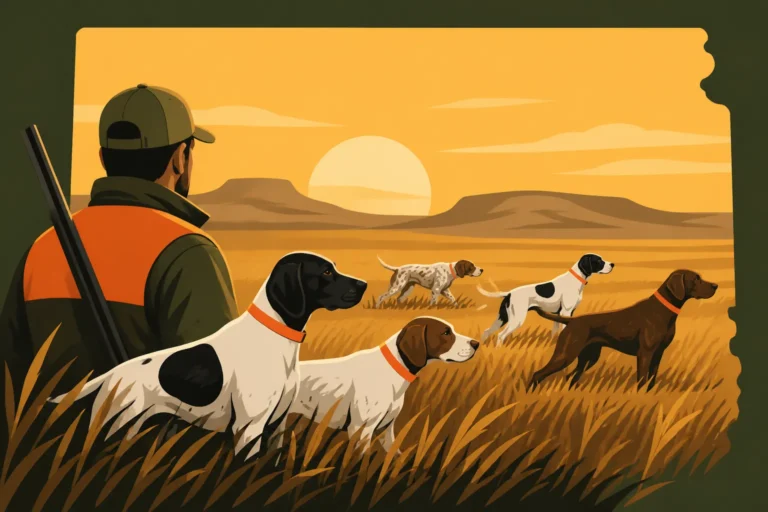
The optimal number of dogs for a South Dakota pheasant hunt depends on field size, cover density, and hunter group size.

South Dakota pheasant hunting drives assign walkers to flush birds and stationary blockers to intercept them for safe, effective prairie hunts.
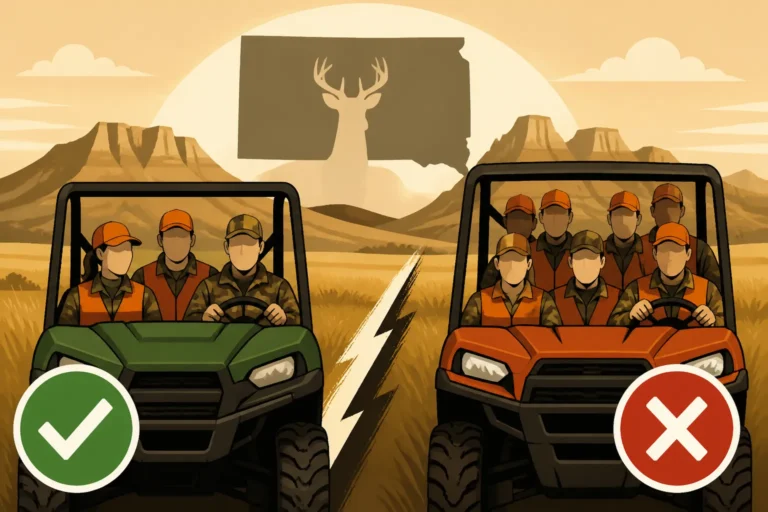
South Dakota pheasant hunting party size limits, state legal frameworks, and outfitter rules for safe and effective drives.
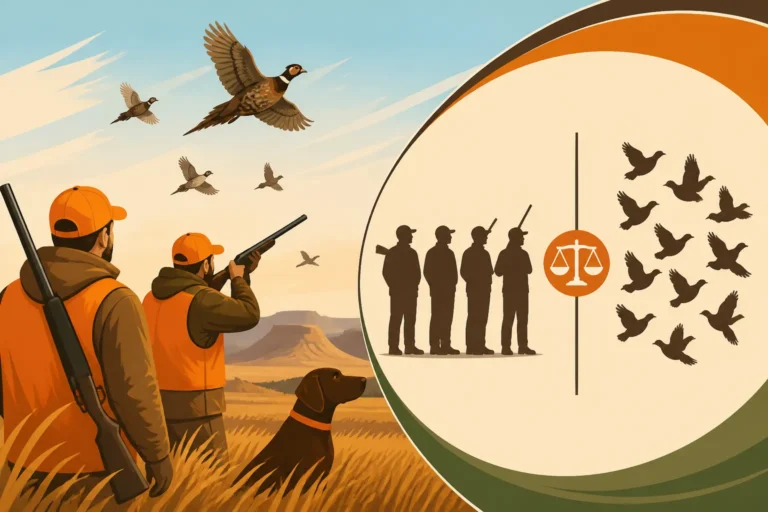
Guide-to-hunter ratios on South Dakota pheasant hunts affect group safety, dog management, bird flushes, and overall hunt enjoyment.
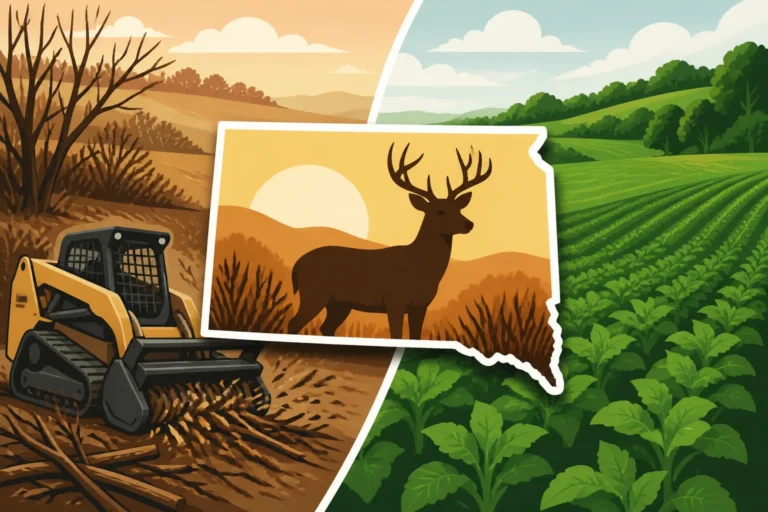
South Dakota hunting lease agreements require landowner communication and written permissions before planting food plots or improving wildlife habitat.
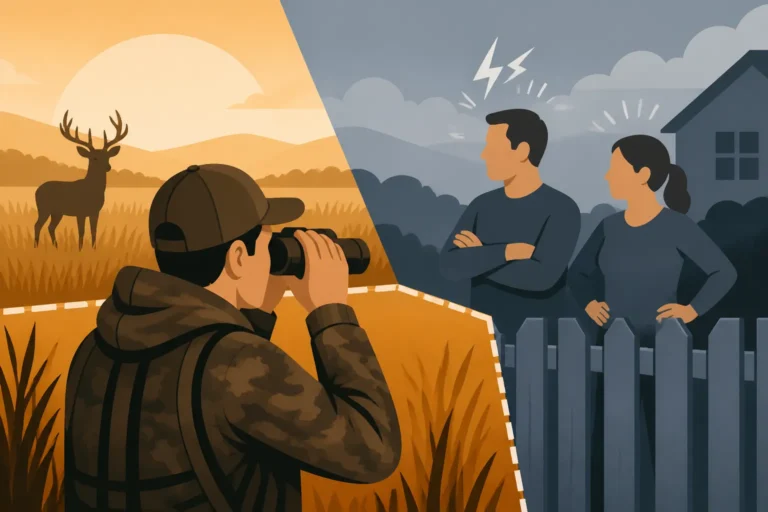
Neighboring pressure on South Dakota hunting leases alters deer, antelope, and pheasant movement, forcing game into nocturnal habits or thick cover.
An outfitter tenure on hunting ground determines game success rates, habitat management quality, and overall South Dakota hunting experiences.

South Dakota hunting outfitters using owned versus leased land offer different habitat management and pressure levels.
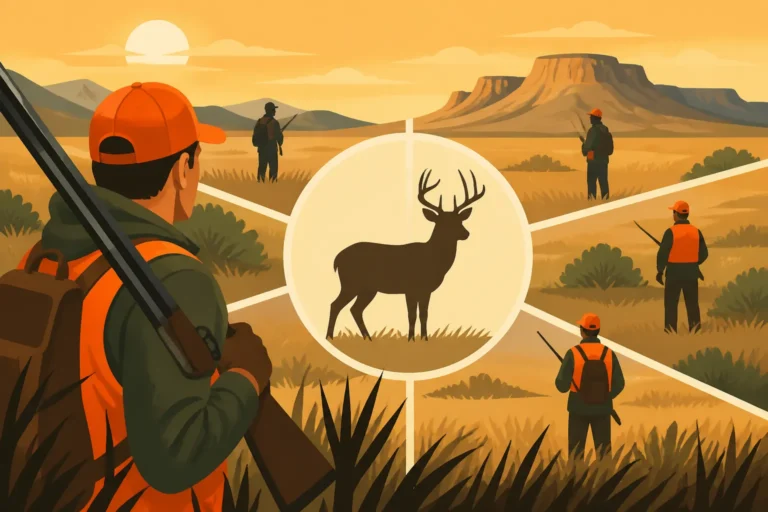
South Dakota hunting densities across guided pheasant drives and public land help visitors set realistic expectations.
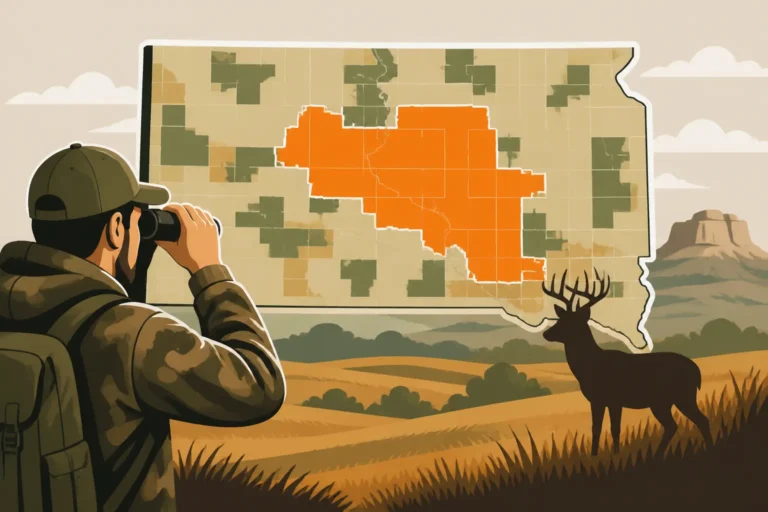
South Dakota outfitter land control covers owned versus leased acreage and exclusive hunting rights for pheasant and deer.