Aging Venison Before Cutting
Aging venison allows natural enzymes to break down tough muscle fibers and concentrates flavor for tender steaks and roasts.
Know what you’re after.
Big game, small game, upland birds, and waterfowl — identification, behavior, rut and migration timing, and how each species moves through the season.
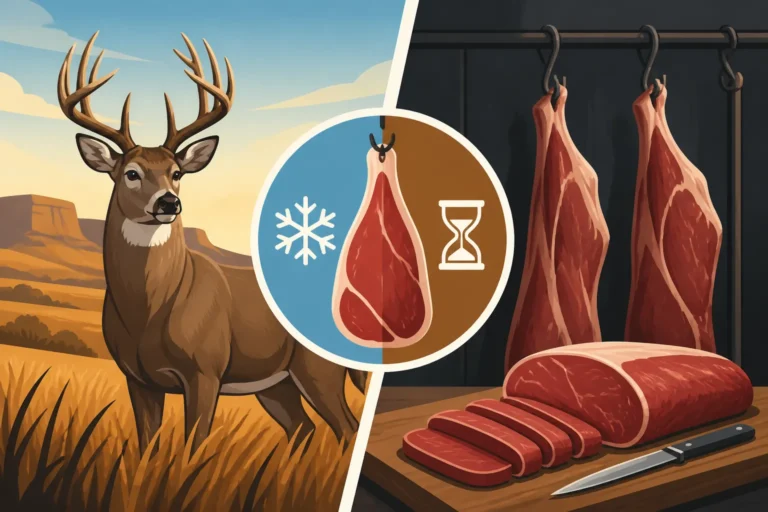
Aging venison allows natural enzymes to break down tough muscle fibers and concentrates flavor for tender steaks and roasts.
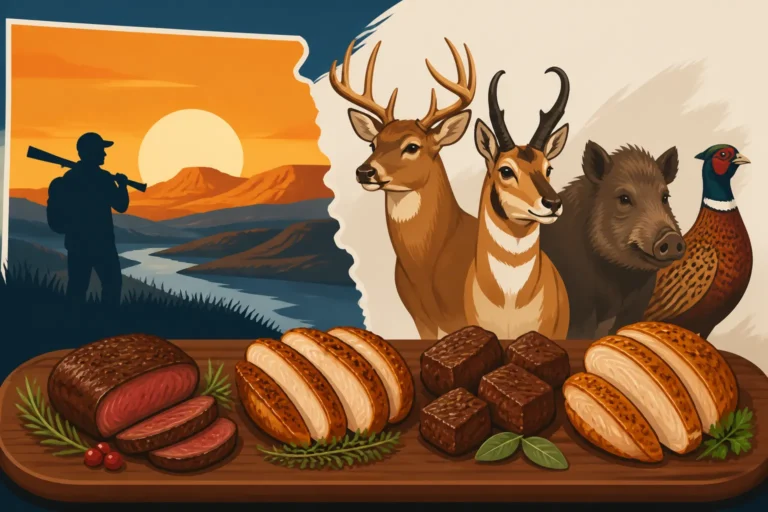
South Dakota game meat flavors depend on animal diet, age, and harvest stress that changes muscle pH and meat quality.
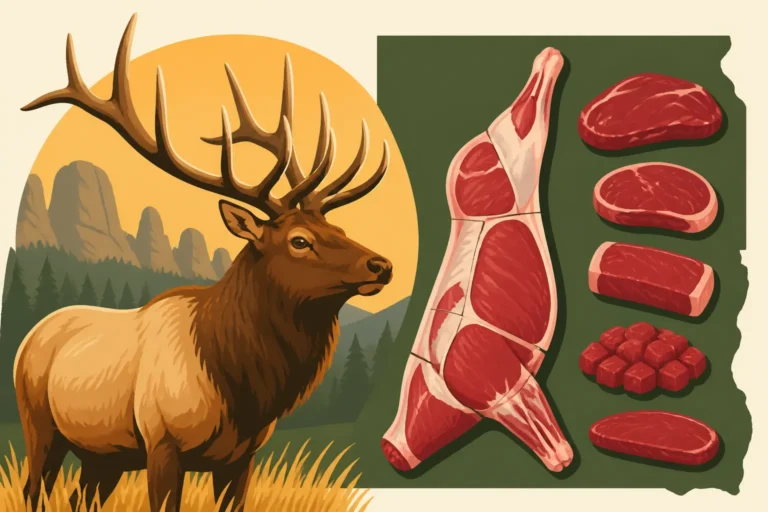
A Black Hills bull elk yields between 225 and 350 pounds of boneless meat after field dressing reduces live weight by 25 to 35 percent.
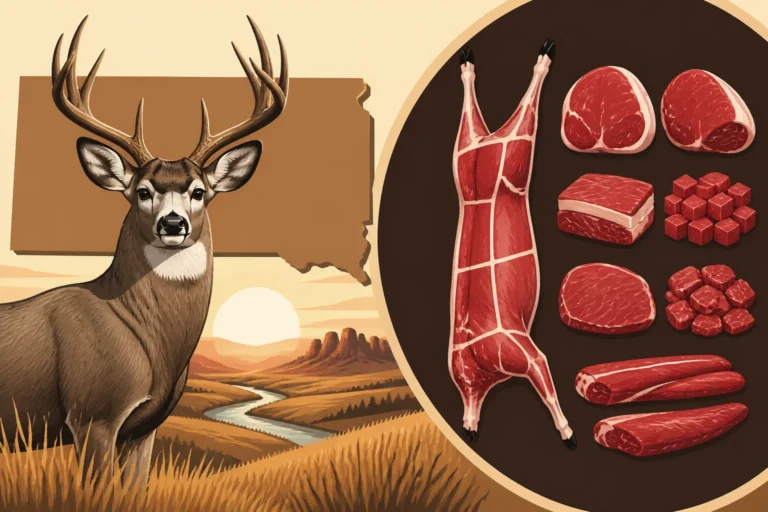
South Dakota mule deer meat yield depends on age, sex, habitat conditions, and proper field dressing efficiency.
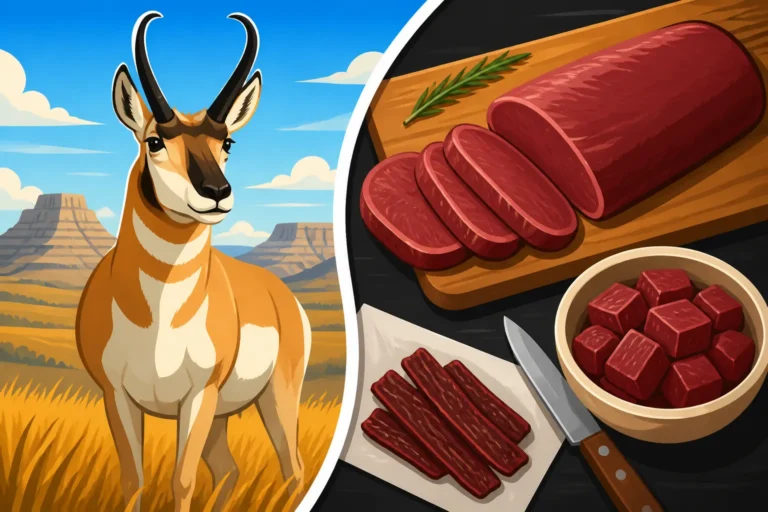
Antelope’s gamey reputation is largely a myth, since pronghorns graze on sagebrush, forbs and grasses, and poor field care is the usual cause of bad flavor.
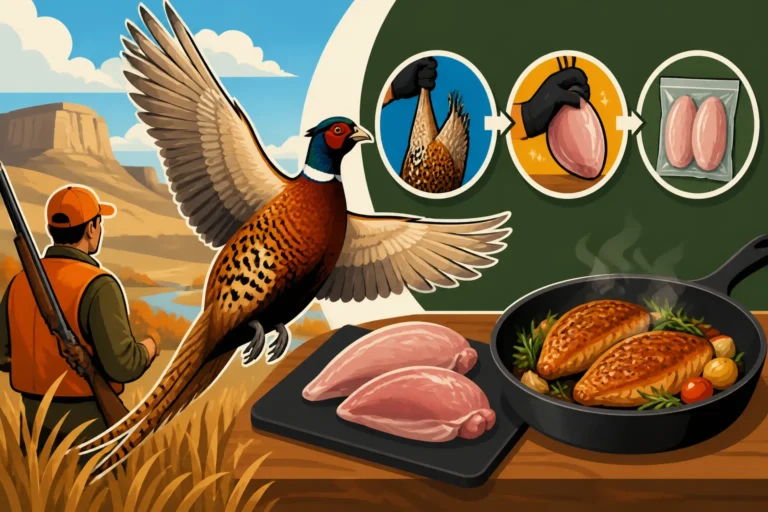
Wild pheasant meat handling and cooking methods prevent tough or dry meals by ensuring proper cooling and processing techniques.
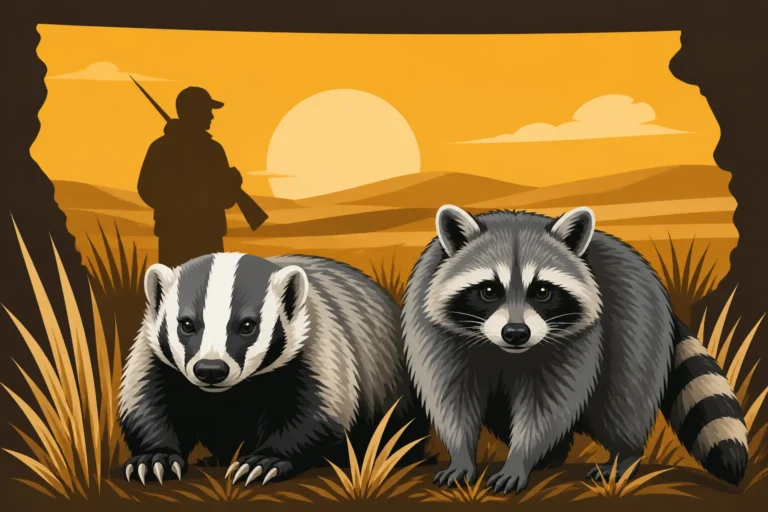
South Dakota badgers and raccoons shape prairie ecosystems through active digging, controlling rodent populations, and creating microhabitats.
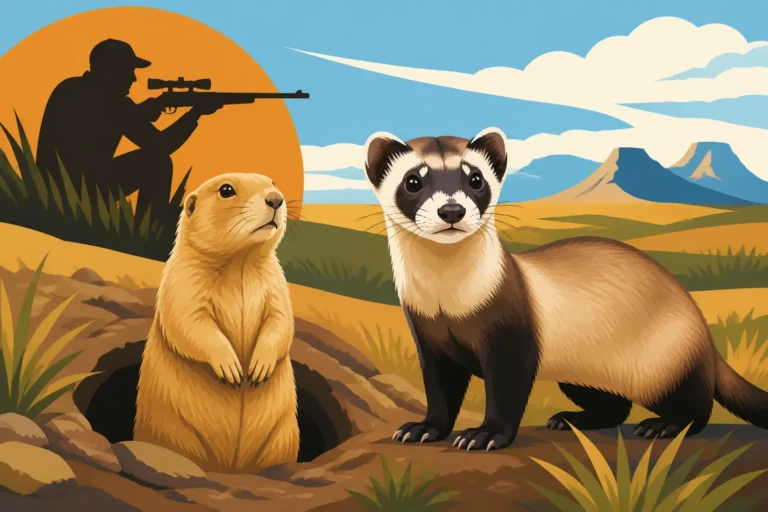
South Dakota prairie dogs and black-footed ferrets share an interconnected ecosystem that supports West River wildlife and predators.
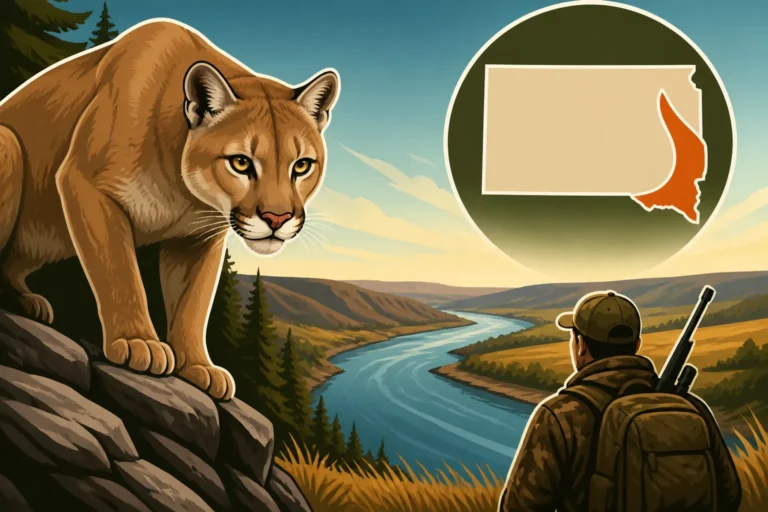
Mountain lion sightings east of the Missouri River involve young male cats dispersing from the Black Hills into the prairie.
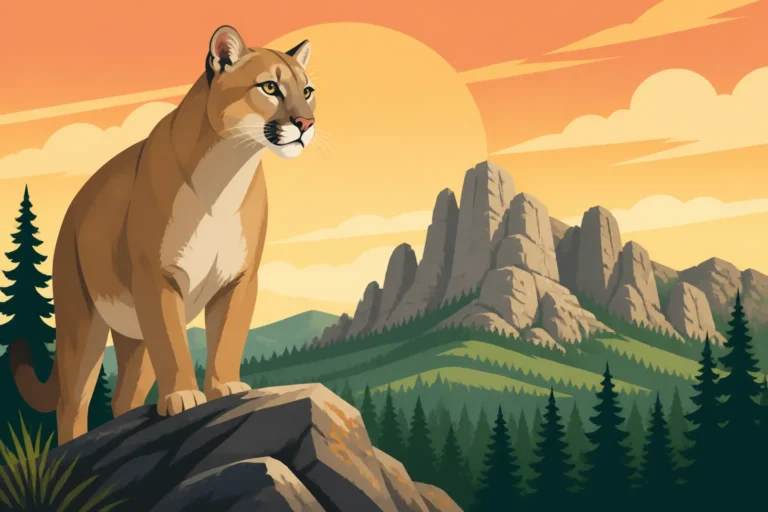
Mountain lion numbers in the Black Hills remain uncertain because secretive habits and rugged pine forests complicate tracking efforts.