Mule Deer Fawn Recruitment in Dry Years
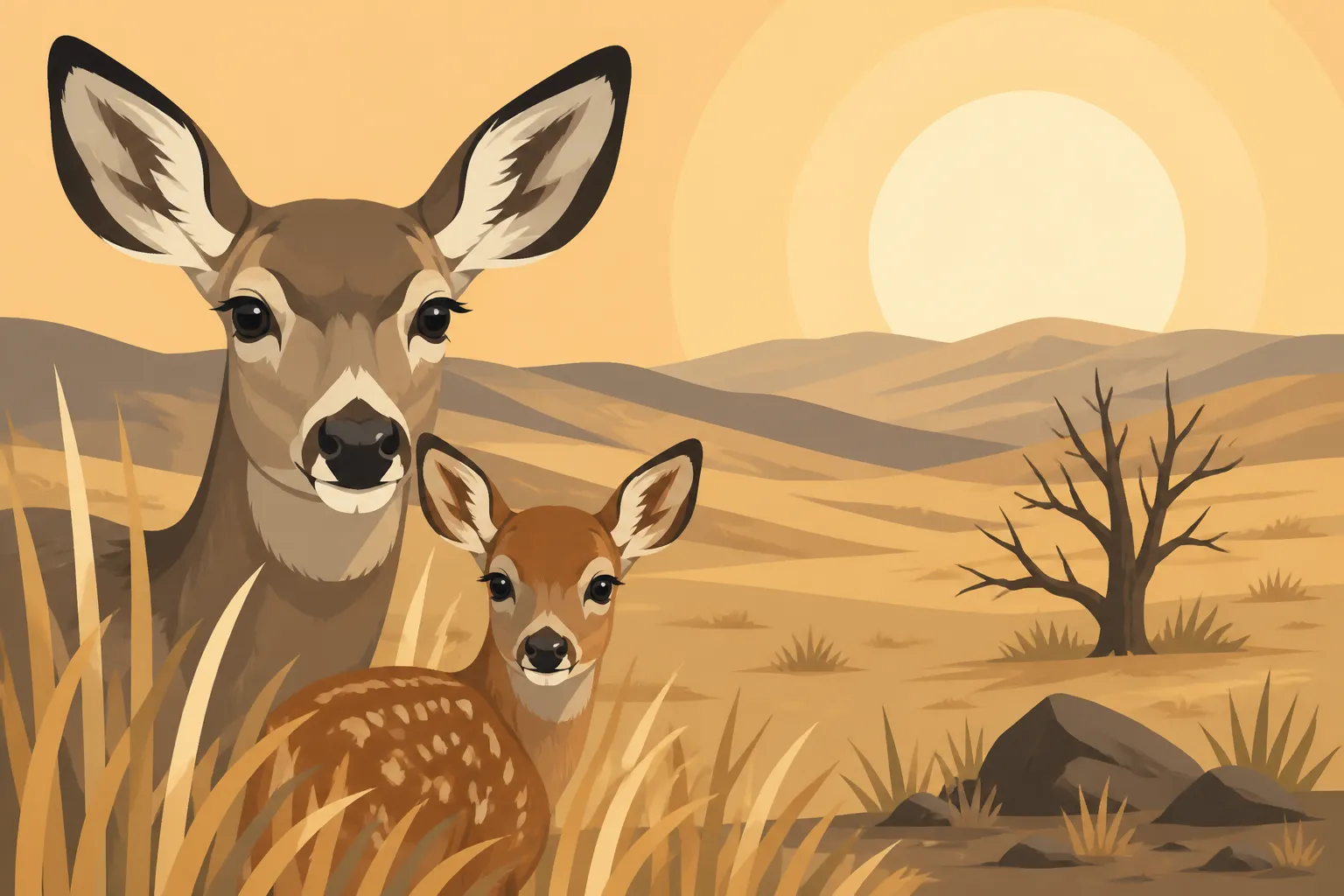
For anyone who’s spent time chasing mule deer across South Dakota’s vast West River country, the sight of a healthy doe with two robust fawns is a true indicator of a good year. But when the skies hold back their rain and the landscape turns parched, a real challenge emerges: mule deer fawn recruitment suffers. These dry years don't just impact how many bucks you see; they profoundly affect the ability of does to successfully raise their offspring, directly influencing the long-term health and size of the herd. This guide will explore exactly how arid conditions hinder fawn recruitment and what those implications are for South Dakota's mule deer.
The Ripple Effect of Arid Conditions on Mule Deer Health
A dry year in South Dakota isn't just about dusty roads and crunchy grass; it sets off a cascade of events that directly impacts the foundational health of the mule deer herd, especially the does. Their well-being is intrinsically linked to the success of future generations.
Forage Quality and Quantity Decline
When precipitation is scarce, the first thing to suffer is the vegetation. Less rain means less green growth—fewer lush forbs, less nutritious browse, and generally poorer quality grasslands. Imagine trying to eat a dry, flavorless cracker when your body desperately needs a hearty, balanced meal. That's essentially what a mule deer doe faces during a drought.
Does need abundant, high-quality forage to build up fat reserves. These reserves are absolutely crucial for a successful pregnancy and the demanding process of lactation. If a doe enters the winter in poor condition because the summer and fall forage was subpar, she's already behind the eight-ball. She'll likely have less energy to fight off parasites, cope with the cold, and most importantly, adequately nourish the fawns developing inside her. This nutritional deficit can lead to smaller fawns at birth, or in severe cases, even reabsorption of the fetus. The effects are long-lasting, influencing everything from the health of individual deer to the overall population dynamics, and tools like GoHunt can sometimes offer insights into past seasonal conditions and their potential impact on local herds.
Increased Stress and Water Scarcity
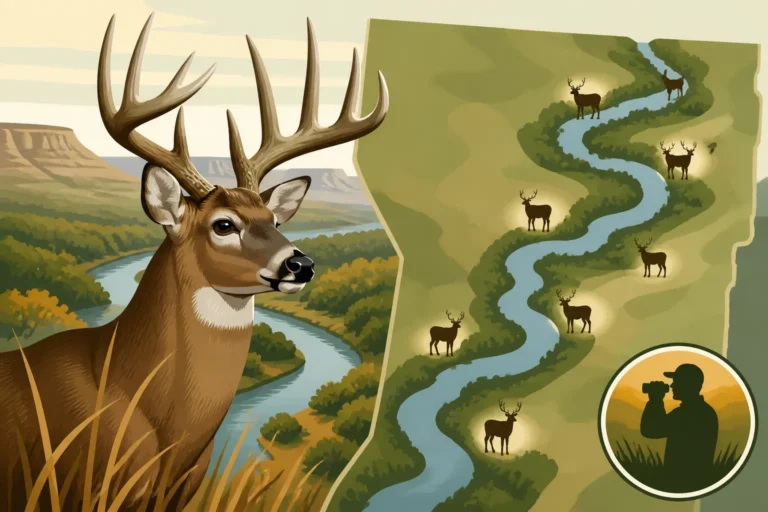
Mule deer are incredibly tough animals, adapted to survive in some harsh environments. However, even they have their limits, and prolonged drought can push them past those boundaries. Water, naturally, becomes a critical limiting factor. As scattered ponds dry up and smaller creeks become trickles or disappear entirely, mule deer are forced to concentrate around the remaining reliable water sources.
This concentration isn't just an inconvenience; it significantly increases stress levels within the herd. More deer in a smaller area means increased competition for resources, more frequent encounters with predators that learn where to wait, and a higher risk of disease transmission. Think of a small town well during a severe drought – everyone gathers there, but it also becomes a hub for potential problems. Does, already under nutritional stress, now contend with the added physiological burden of dehydration and heightened vigilance against threats. This constant state of alert diverts precious energy away from internal processes like gestation and milk production, further jeopardizing fawn survival. Understanding where and when these critical water sources are most impacted can inform scouting strategies when you're preparing for Hunting South Dakota Walk-In Areas.
Understanding Mule Deer Fawn Recruitment Challenges
Fawn recruitment—the number of fawns that survive to roughly six months of age and are "recruited" into the adult population—is the engine of herd growth. When dry years hit, this engine sputters, causing noticeable declines in future deer numbers.
Doe Body Condition and Fawn Survival
The health of the mother is paramount to the survival of her fawns. A doe's body condition, measured by her fat reserves, dictates her ability to successfully conceive, carry, and then nurse her fawns through their most vulnerable stage. In dry years, when forage quality and quantity plummet, does simply cannot pack on the necessary fat.
This leads to several critical issues. First, does in poor condition may not even conceive or may do so later in the breeding season, leading to fawns born later in the spring or early summer. These late fawns have less time to grow, develop, and gain crucial weight before the onset of their first winter, significantly decreasing their chances of survival. Second, even if a doe carries a fawn to term, her milk production will be compromised if her body condition is poor. This results in smaller, weaker fawns at birth that are less able to escape predators, tolerate harsh weather, or fight off illness. The cycle is brutal: a stressed doe produces a stressed fawn, and the odds are stacked against it from day one. Hunters often look at these Mule Deer Fawn Recruitment in Dry Years numbers to help understand herd health.
Predator Pressure and Fawn Vulnerability
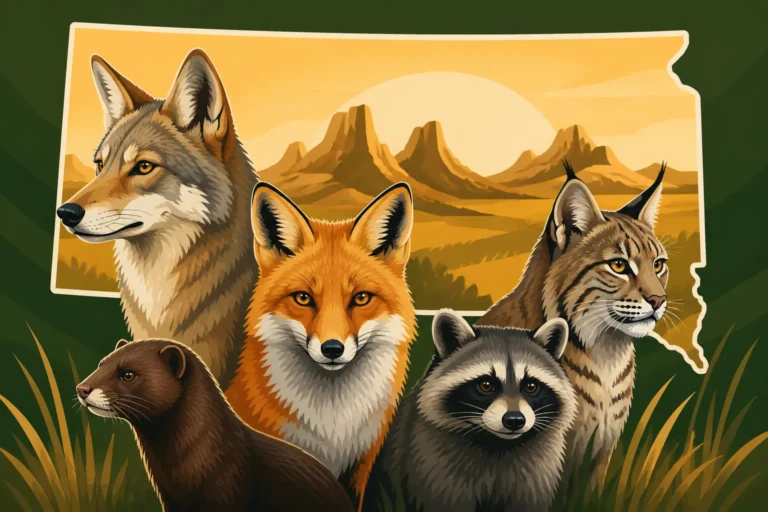
Predation is a natural and healthy component of any ecosystem. However, in dry years, the dynamic shifts, often disproportionately affecting vulnerable fawns. With does in poorer condition and fawns born weaker or smaller, these young deer become easier targets for opportunistic predators like coyotes, bobcats, and even resident mountain lions in the Black Hills.
A healthy, robust fawn has a better chance of escaping danger through sheer speed and agility. A malnourished or undersized fawn, however, may lack the strength to outrun a predator or the energy to stay hidden effectively. Furthermore, if does are concentrated around fewer water sources due to drought, predators quickly learn these patterns, increasing the odds of an encounter. The combination of increased vulnerability among fawns and predictable locations for predators can lead to a significant spike in fawn mortality rates. While predators are always a factor, their impact is amplified when the deer population is already stressed by environmental conditions. This is a critical factor for the overall South Dakota Mule Deer Numbers and Trends.
Delayed Breeding and Late Fawns
The timing of the rut and subsequent fawning season is usually fairly consistent. However, extreme environmental stressors like severe drought can throw a wrench into this natural rhythm. When does are in poor physical condition due to a lack of nutritious forage and adequate water, their bodies may simply delay breeding until they can recover some energy. This isn't a conscious decision but an evolutionary adaptation to ensure that any offspring have the best chance of survival.
The consequence of this delayed breeding is fawns being born later in the spring or early summer. While a fawn born in late June might seem fine, it has significantly less time than its early-May counterpart to grow, develop, and build up crucial fat reserves before the harsh South Dakota winter descends. These "late fawns" are at a distinct disadvantage; they are smaller and less resilient when the first snows hit, making them far more susceptible to starvation, cold, and predation. Their already slim chances of being recruited into the adult population diminish further, directly reducing the overall fawn crop that makes it to the next year.
Habitat and Conservation Strategies in Dry Years
While we can't control the weather, smart land management and conservation efforts can significantly mitigate the negative impacts of dry years on mule deer populations and fawn recruitment. Building resilient habitat is key to buffering these environmental shocks.
Importance of Resilient Habitat
Resilient habitat is like a deer's savings account—it provides critical resources even when times are tough. In South Dakota's West River country, this often means areas with diverse native grasslands, a good mix of woody browse species, and well-managed Conservation Reserve Program (CRP) acres. These diverse landscapes offer a wider variety of forage options, including plants that might be more drought-tolerant or offer nutritional value during lean times.
For example, areas with diverse brush and shrub species provide critical browse and cover that might stay greener longer than open grasslands during a dry spell. Furthermore, quality cover allows does to hide their fawns more effectively, reducing predation risk. CRP lands, often consisting of dense stands of native grasses, offer both forage and excellent thermal cover, protecting deer from summer heat and providing security. Investing in and maintaining these types of habitats through various programs can be a game-changer for mule deer survival during droughts. While CRP Loss and South Dakota Bird Numbers is often discussed for pheasants, it's just as vital for deer.
Water Development and Distribution
In naturally arid regions, strategically placed water sources can be life-savers. While natural ponds and ephemeral creeks might dry up, permanent water developments—like guzzlers or maintained stock tanks—can provide a reliable water supply for mule deer. The key isn't just having water, but distributing it effectively across the landscape.
When water sources are few and far between, deer are forced to travel long distances or congregate in large numbers at the remaining sites. This congregation, as mentioned, increases stress, competition, and disease risk. By developing and maintaining additional water points, land managers can help distribute deer more evenly, reducing pressure on individual locations and minimizing negative interactions. This can allow does and fawns to access water without expending excessive energy or facing heightened predator risk, directly contributing to better fawn survival. Finding these crucial spots can be a big part of Scouting a South Dakota Unit From Home.
Observing and Adapting as Hunters
For hunters, understanding fawn recruitment in dry years isn't just academic; it informs expectations, strategies, and responsible participation in wildlife management. Our observations in the field contribute to the bigger picture.
Monitoring Fawn-to-Doe Ratios
One of the most direct ways to gauge fawn recruitment success is by observing fawn-to-doe ratios. Wildlife agencies often conduct aerial or ground surveys to get these numbers, but astute hunters can also make valuable observations during their time afield. As you're out Reading Prairie Coulees for Mule Deer or just general scouting, pay attention not just to the number of does you see, but how many fawns are accompanying them.
A healthy population in a good year might show a ratio of 70-80 fawns per 100 does. In a dry year, that number could drop significantly, perhaps to 40 fawns per 100 does or even lower. A low fawn-to-doe ratio is a clear indicator of poor fawn survival, signalling that the herd isn't growing as it should. This information helps wildlife managers adjust tag allocations and season structures, and it helps hunters understand why certain areas might feel "emptier" than usual. Your observations contribute to a larger understanding of the herd's health and the impact of environmental factors like drought.
Utilizing Data for Hunt Planning
In an age of advanced mapping and data analysis, hunters have more tools than ever to make informed decisions, especially when faced with the challenges of dry years. While on the ground scouting remains irreplaceable, platforms like GoHunt provide valuable data on historical draw odds, harvest statistics, and even past weather patterns that can influence herd health.
For example, if you're targeting a specific unit in West River and know it experienced a severe drought two years prior, GoHunt might reveal a dip in fawn recruitment data from that period. This insight could suggest that adult buck numbers might be lower than usual, or that the overall age structure of the herd is skewed. Using such resources allows you to adjust your expectations, perhaps focus on areas with more resilient habitat or permanent water sources, or even consider applying for a different unit that might have been less impacted. It's about combining boots-on-the-ground knowledge with robust data to maximize your chances and make more ethical, informed hunting decisions. For serious planning, it's worth checking out their detailed insights. Knowing these trends can also influence decisions like your Rifle Choice for West River Mule Deer if you anticipate longer shots in more open, scoured landscapes.
Navigating the Impacts of Drought on South Dakota's Mule Deer
Dry years are a part of the ecological cycle in South Dakota, and mule deer have evolved to cope with them. However, the intensity and frequency of droughts can push these resilient animals to their limits, particularly impacting the critical process of fawn recruitment. For those of us who cherish our mule deer populations, whether we are hunters, wildlife enthusiasts, or land managers, understanding these dynamics is vital.
From the reduced forage quality that weakens pregnant does to the heightened vulnerability of fawns against a backdrop of scarce water, every aspect of a mule deer's life is affected. Conservation efforts that focus on creating diverse, resilient habitats and strategically placed water sources become even more critical during these challenging times. And for hunters, our role extends beyond the harvest. By carefully observing fawn-to-doe ratios and leveraging available data, we contribute to a more informed approach to wildlife management. Tools that provide an edge in data analysis, such as GoHunt, become incredibly useful for understanding the long-term impacts of environmental factors like drought on herd dynamics.
The health of our mule deer herds is a mirror reflecting the health of the prairie itself. By acknowledging the profound impact of dry years on fawn recruitment and supporting proactive conservation, we can help ensure that the iconic mule deer continues to thrive across the West River landscape for generations to come. When you're out Glassing South Dakota Breaks at First Light next season, remember the journey those fawns have taken to be there.
| Factor Affecting Mule Deer Fawn Recruitment in Dry Years | Impact of Dry Years | Consequence for Fawns |
|---|---|---|
| Forage Quality & Quantity | Significantly decreased nutritional value; less available browse and forbs. | Lower birth weight, weaker fawns, reduced lactation from doe. |
| Water Availability | Scarce, leading to increased competition and stress at remaining waterholes. | Dehydration risk, increased predation vulnerability, reduced doe health. |
| Doe Body Condition | Lower fat reserves entering winter and spring. | Delayed conception, poor milk production, higher fawn mortality. |
| Predator Pressure | Weakened fawns are easier prey; predators concentrate at water sources. | Higher fawn mortality rates, reduced overall recruitment. |
| Disease Spread | Concentration at water sources can facilitate disease transmission. | Increased risk of EHD or other illnesses affecting both does and fawns. |
| Breeding Timing | Stress can delay the rut, leading to later-born fawns. | Late fawns have less time to develop before winter, lower survival rates. |
Disclaimer
This article is for general informational purposes only and does not constitute professional advice. Laws, prices and regulations vary by location and change over time. Consult a qualified professional for guidance on your specific situation.