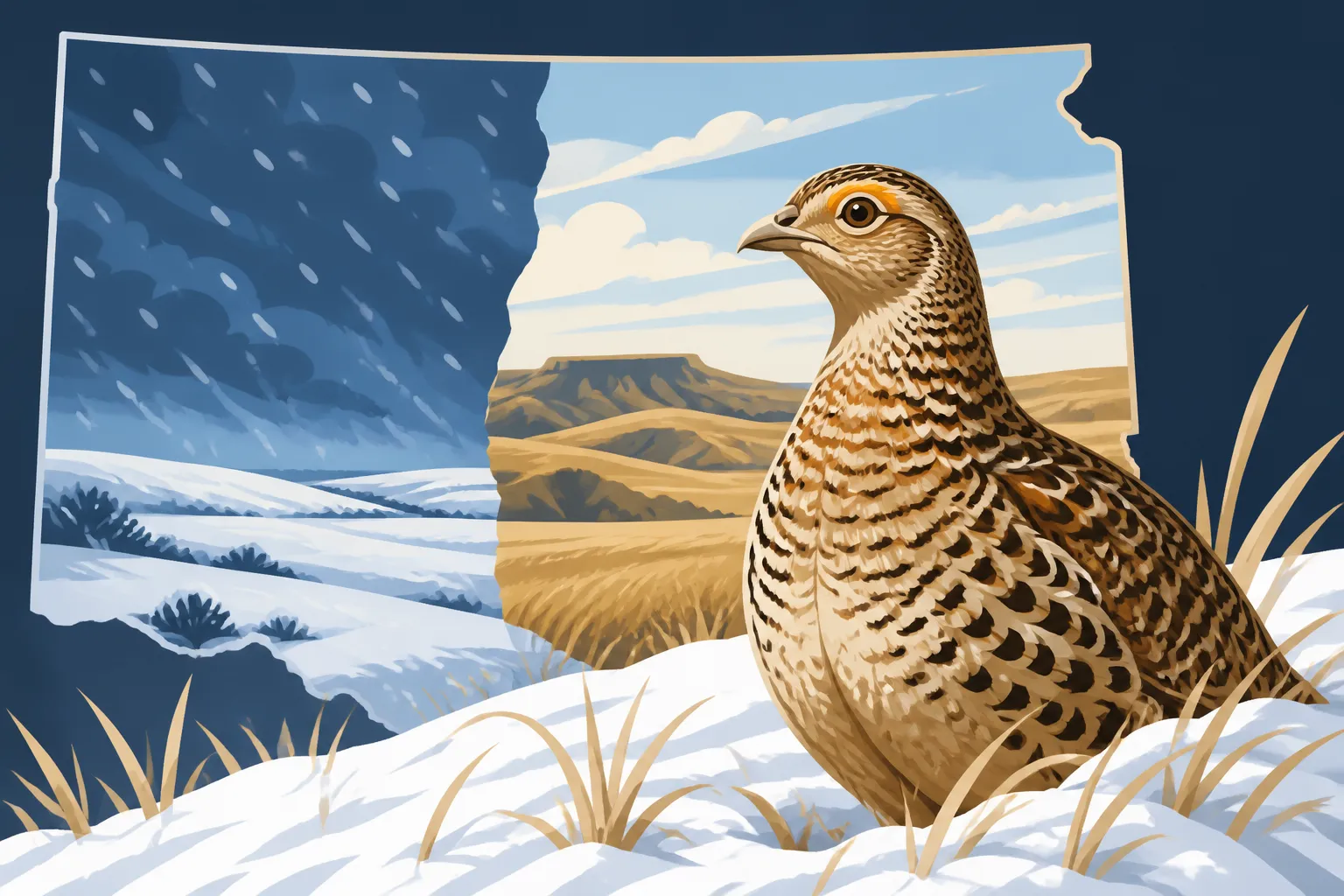
Hard Winters and South Dakota Hen Survival
It's a tough pill to swallow for any pheasant hunter, seeing the landscape blanketed in snow and feeling that biting South Dakota wind. We all know that a truly brutal winter can decimate wildlife, and a common worry that echoes across the prairie is what it means for the backbone of our pheasant population: the hens. If our hens don't make it through the deep freezes and heavy snowfalls, the next year's opener can feel mighty sparse. This guide is dedicated to pulling back the curtain on how hard winters impact South Dakota's crucial hen pheasant survival, examining the specific challenges they face, and highlighting what makes for truly indispensable winter cover.
The Direct Impact of Brutal South Dakota Winters on Pheasant Hens
When winter rolls in with its full fury, it's not just an inconvenience for us; it's a fight for survival for every creature on the landscape. For our beloved ring-necked pheasants, especially the hens, a severe winter can be a life-or-death scenario that directly dictates the success of the coming breeding season and, by extension, the quality of our fall hunting.
Why Hens are Particularly Vulnerable in Winter
Hens are the key to the future. Without a healthy, robust population of female birds to lay eggs in the spring, all the perfect nesting cover in the world won't make a difference. In winter, hens are particularly vulnerable because they are often slightly smaller than roosters and, crucially, they are carrying the physiological burden of preparing for spring nesting. Their bodies are working overtime, not just to survive the cold, but to maintain the energy reserves needed for egg production. Each calorie burned keeping warm is one less available for body maintenance or, later, for egg formation.
A prolonged cold snap, especially combined with deep snow, compounds this stress. Think about it: every step through crusty snow takes more energy, every gust of wind steals precious body heat. This isn't just a matter of feeling chilly; it's a constant, draining battle against hypothermia and starvation. The cumulative stress weakens them, making them more susceptible to disease and less able to evade predators. When we talk about Winter Severity and South Dakota Pheasant Survival, it's largely about how well these critical hens manage to endure.
Measuring Winter Severity and its Toll
While there isn't a direct "hen counter" out there in the blizzard, wildlife managers and seasoned hunters alike understand what constitutes a "hard winter" by observing key environmental factors. It's usually a combination of factors, not just one. Deep snow, for instance, is a major culprit. When the snow depth consistently exceeds six inches for weeks on end, it buries food sources. But it's not just depth; the duration matters. A month of deep snow is far worse than a few days.
Then there are the temperatures. Sustained periods of sub-zero Fahrenheit readings, especially when coupled with fierce prairie winds, amplify the energy demands on birds. Ice events, like freezing rain, can be particularly devastating. A layer of ice can encase vegetation, making food completely inaccessible, and it can mat down feathers, stripping away a bird's natural insulation. When conditions hit that perfect storm of deep, lasting snow, brutal cold, and ice, we know the toll on hen populations can be significant. Organizations like GoHunt provide tools that allow you to dive into historical weather data, which can be invaluable for understanding past population trends and scouting for areas that historically offer better winter protection.
Life-Threatening Challenges Faced by Wintering Hens
The South Dakota winter isn't just cold; it's a relentless siege of challenges that test every pheasant hen's will and physical limits. These aren't minor inconveniences; they are immediate threats to their very existence.
Food Scarcity Under Snow
One of the most immediate and critical threats to pheasant hens during a harsh winter is the disappearance of food. Imagine trying to find your dinner when it's buried under a foot of concrete-like snow. That's precisely what pheasants face. Their primary winter diet consists of waste grain (like corn and soybeans left after harvest), weed seeds, and sometimes buds or berries. Deep snow covers these vital sources, forcing hens to expend an exorbitant amount of energy digging or scratching, often for minimal reward.
If the snow has a hard crust on top, it becomes even more challenging. Their feet and beaks aren't designed for breaking through ice, so these food sources become completely locked away. This increased energy expenditure, coupled with reduced caloric intake, quickly leads to emaciation and starvation. Birds become weaker, slower, and less resilient to the cold, creating a deadly feedback loop. Areas where farmers leave standing strips of corn or where cattail sloughs have adjacent food sources become critical havens. This highlights why understanding how to locate Hunting Food Plots and Corn Edges can be important, not just for hunting, but for understanding winter survival.
Exposure to Extreme Cold and Wind
While finding food is vital, staying warm is a constant, metabolically expensive battle. Pheasant hens are built to withstand cold, but there are limits. They fluff their feathers to trap air, creating an insulating layer. However, persistent, biting winds can easily penetrate this layer, robbing them of heat. This is especially true on open, unprotected prairie.
Then there's the danger of freezing rain or prolonged wet snow. If a hen's feathers become saturated and then freeze, her insulation is severely compromised. It's like wearing a wet down jacket in a blizzard – it goes from being helpful to being a huge liability. In these conditions, pheasants can quickly succumb to hypothermia, even if they have some food. They'll seek out any available thermal cover, often packing into dense, wind-protected areas to share body heat.
Predation Risk and Winter Vulnerability
A weakened, cold, or hungry hen is an easier target. During severe winters, pheasants are often forced to abandon sparse, marginal cover in search of denser, more protective habitat or accessible food sources. This movement can expose them to predators. The open, snow-covered landscape makes them more visible to raptors like hawks and eagles, and their tracks are easily followed by mammalian predators such as coyotes and foxes.
Deep snow can also hinder their ability to run or fly quickly when threatened. A hen already struggling with low energy reserves simply cannot evade a pursuing coyote as effectively as a healthy bird. The combination of food scarcity, exposure, and increased predation forms a trifecta of deadly challenges that severely tests the resilience of the South Dakota hen pheasant population each winter.
The Indispensable Role of Quality Winter Habitat
Amidst the harsh realities of a South Dakota winter, quality habitat emerges as the ultimate lifeline for pheasant hens. It's not just about having some cover; it's about having the right kind of cover, strategically located, that provides both shelter and sustenance.
Thermal Cover: The Hens' Lifeline
When the blizzards rage and temperatures plummet, hens seek out thermal cover—places that physically block the wind and insulate them from the cold. The gold standard for this type of cover includes dense cattail sloughs, especially those with standing water or deep snow that create pockets of calm. These towering stalks act as natural windbreaks, trapping snow and creating warmer microclimates within their depths. For more on this, check out Cattail Sloughs as Winter Cover.
Other critical thermal cover types include thick, brushy shelterbelts, particularly those with multiple rows of evergreens and dense underbrush. These planted tree lines, often found on farmsteads or as field breaks, are literal lifesavers. Plum thickets, dense willow stands along waterways, and even heavy, ungrazed native grass prairies can offer crucial protection, provided they are robust enough to stand up to the snow and wind. Without these sanctuaries, hens are at the mercy of the elements, and their survival rates plummet dramatically.
Food and Cover Proximity
It’s not enough to have excellent thermal cover if hens have to fly a mile across open, snow-swept fields to find food. The ideal winter habitat offers food sources either within the cover itself or immediately adjacent to it. Think of a cattail slough bordered by a standing cornfield, or a dense shelterbelt next to a food plot planted with sorghum or millet.
Every flight or long walk in deep snow to access food costs precious energy. If the travel is too demanding, hens might choose to stay put and starve, or they might expose themselves to predation in a desperate search. This proximity minimizes energy expenditure, allowing birds to feed quickly and retreat to safety, conserving their critical fat reserves. Land management strategies, including specific conservation programs, often emphasize creating these vital food and cover complexes to maximize winter survival. A great planning resource like GoHunt can provide satellite imagery to help identify potential food and cover proximity on public or private grounds.
CRP and Other Conservation Programs for Wintering Birds
Conservation programs like the Conservation Reserve Program (CRP) play an absolutely vital role in providing the kind of diverse, dense habitat that pheasant hens need to survive winter. These programs incentivize landowners to take marginal cropland out of production and plant it with grasses, legumes, and other cover crops. These fields, often consisting of tall, stiff-stemmed grasses, can stand up through snowfall, providing excellent nesting cover in spring and, importantly, crucial thermal and escape cover during winter.
The loss or degradation of CRP acres or other similar habitat initiatives has a direct, negative impact on hen survival. When these acres are tilled up or improperly managed (e.g., hayed or grazed too intensely), the pheasant population loses critical winter sanctuaries. This is why discussions around CRP Acres and South Dakota Bird Numbers are so important, as these programs are literally the difference between life and death for countless birds during the harshest months. Robust, well-maintained habitat is the bedrock of a healthy pheasant population, allowing our hens to weather the storm and be ready for spring.
Population Rebound and Future Outlook After a Tough Winter
Even after a winter that feels like it’s scraped the land bare, there's always a glimmer of hope on the South Dakota prairie. Pheasants, by nature, are resilient, and their populations can bounce back with surprising speed, provided certain conditions align.
The Resiliency of Pheasant Populations
Pheasants are prolific breeders. A single hen can lay a clutch of 10-12 eggs, and if that nest fails, she's often capable of re-nesting, sometimes two or three times in a season. This high reproductive potential is their evolutionary hedge against natural mortality factors, including harsh winters. The key, however, lies in the surviving hen base. If enough hens make it through winter, even a significantly reduced number, and find good nesting conditions, they can produce a robust hatch. This is why, when we discuss South Dakota Pheasant Population History, we often see dramatic swings tied closely to winter and spring weather patterns.
The resilience isn't infinite, though. If hen survival drops below a certain threshold due to multiple consecutive severe winters or widespread habitat loss, the rebound becomes much slower and more challenging. But generally, given one good winter and a favorable spring, pheasants have shown time and again their ability to replenish their ranks, offering renewed optimism for the following hunting season.
Spring Weather and Nesting Success
A mild winter is certainly a great start, but the spring that follows is equally, if not more, critical for the overall population health. After surviving the cold, hens need favorable conditions for nesting and brood-rearing. This means moderate spring temperatures—not too cold, not too hot—and, crucially, appropriate rainfall. Heavy, prolonged spring rains can drown early nests and chill chicks, leading to significant brood mortality. Conversely, overly dry conditions can reduce insect populations (a vital food source for young chicks) and create sparse cover.
The timing and amount of Spring Rain and Pheasant Nesting Success are paramount. A gentle spring, with adequate moisture for lush cover growth but without torrential downpours, allows hens to nest successfully, hatch healthy broods, and raise their chicks to fledging age. This good weather, combined with ample, secure nesting cover, is what truly maximizes the post-winter rebound. It's a similar dynamic that impacts other prairie game, such as how Mule Deer Fawn Recruitment in Dry Years can suffer.
Monitoring and Management Efforts
While directly counting pheasant hens after a winter blizzard is impossible, South Dakota Game, Fish and Parks (GFP) employs various methods to monitor population trends and estimate survival rates. They no longer conduct the annual roadside brood surveys as they once did, but they utilize hunter harvest data, spring crowing counts, and landowner reports to gauge the health of the pheasant population. These indirect indicators, combined with habitat assessments, help them understand the impact of winter and predict potential population trends for the upcoming hunting season.
For hunters looking to stay informed and even make their own predictions, keeping an eye on winter weather patterns in specific regions, combined with using tools like GoHunt to analyze land cover and historical data, can offer valuable insights. Knowing the quality of winter cover in areas identified for Where South Dakota Pheasants Concentrate can give you a better idea of how hens in that area likely fared. It's about combining official information with personal observation and available technologies to gain a fuller picture of what to expect when you head out into the fields.
Winter Impact on Pheasant Hen Survival
| Winter Severity | Typical Conditions | Impact on Hen Survival | Expected Next Season's Brood Potential |
|---|---|---|---|
| Mild | Minimal sustained snow, moderate cold, little ice | High survival rates, low energy expenditure | Excellent, if spring weather is also favorable |
| Moderate | Intermittent snow, some cold snaps, occasional crust | Good to fair survival, increased energy use | Good, with potential for strong rebound |
| Severe | Deep, prolonged snow, extreme cold, ice events | Low survival rates, high mortality due to starvation/exposure | Reduced, with recovery dependent on subsequent mild years |
Disclaimer
This article is for general informational purposes only and does not constitute professional advice. Laws, prices and regulations vary by location and change over time. Consult a qualified professional for guidance on your specific situation.