How Pheasants Came to South Dakota
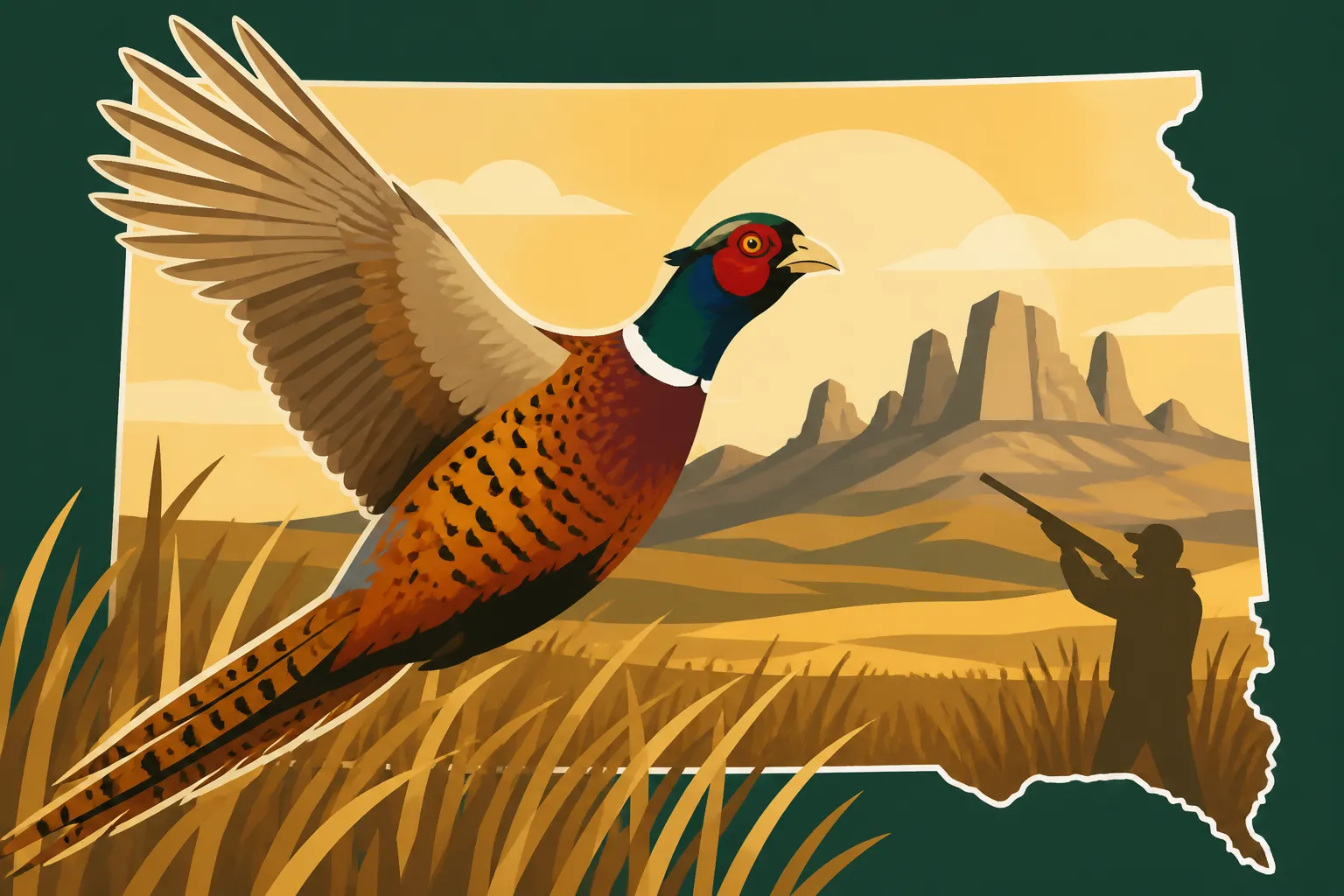
It’s easy to take for granted the sight of a brilliant pheasant rooster exploding from a cattail slough or a CRP field in South Dakota. For many of us, it feels like they’ve always been here, an integral part of the prairie landscape, a symbol of autumn and the hunt. But the truth is, these iconic birds aren’t native to our stunning state. Their journey to becoming the undisputed kings of the South Dakota prairie is a fascinating tale of deliberate introductions, ecological perfect storms, and a whole lot of dedicated effort. This guide will walk you through exactly how pheasants made their way to South Dakota, transforming our hunting culture and economy forever.
The Early Days: First Introductions and Initial Failures
Before the ring-necked pheasant became the legendary game bird we know today, there were numerous attempts across the United States to establish these colorful immigrants. It wasn't a straightforward process, and many of those initial efforts, while well-intentioned, ultimately sputtered out. Understanding these early tries helps us appreciate the eventual success in South Dakota.
Sporadic Introductions Across the Nation
The idea of bringing pheasants to North America wasn't a sudden flash of genius; it was a slow burn of experimentation driven by sportsmen and conservationists hoping to enhance local game populations. Records indicate that some of the earliest pheasant introductions in the United States date back to the late 1700s and early 1800s, primarily in states like New York and New Jersey. These were often private ventures, sometimes involving a few birds released by an enthusiastic individual, and largely undocumented in a scientific sense. They were more curiosity projects than systematic propagation efforts.
Imagine the excitement, and perhaps a touch of naiveté, of these early pioneers releasing a handful of exotic, beautiful birds into unfamiliar woodlands or farmlands. The thought was simple: introduce them, and they'll thrive. Unfortunately, the reality was often quite different. These early releases faced significant hurdles. The birds struggled with new predators they weren't accustomed to, unfamiliar food sources, and environmental conditions that didn't quite match their native Asian habitats. Without a critical mass of birds, sufficient diverse genetics, or the ideal habitat to support a breeding population, these scattered introductions often failed to establish a sustainable foothold, quickly disappearing into the vastness of the American landscape. It was a learning curve, to say the least, and it highlighted that mere introduction wasn't enough; the right conditions were paramount.
South Dakota's Own Initial Tries
Even South Dakota, which would later become the pheasant capital of the world, wasn't immune to these initial, less successful attempts. While the exact dates and details are somewhat hazy for every single early release, one widely cited first attempt in South Dakota involved individuals, perhaps specifically from the Reverend George W. McFarland of Spink County, who released pheasants around 1898 near Redfield. Other early releases were reported in Brown County around 1900.
These early releases, much like those in other states, were likely small in scale, possibly only a handful or a few dozen birds, without the benefit of extensive biological studies or habitat preparation. They were acts of hope and speculation rather than meticulously planned conservation strategies. The landscape of South Dakota at the turn of the century was also quite different from today, with varying agricultural practices and less understanding of what exactly made for prime pheasant real estate. While the genetics of the birds themselves were robust, the sheer numbers and localized environment might not have been enough to overcome the initial shock of a new world. It proved that simply dropping a few pheasants into a field wasn't a magic bullet; it needed careful planning, consistent effort, and, crucially, the right amount of birds in the right type of place.
The Game Changer: Successful Introductions and Propagation
The scattered, often-failed early attempts taught valuable lessons. It became clear that success wasn't about happenstance but about strategic, concerted efforts, combining suitable genetics with prime habitat and sufficient numbers. The real turning point for pheasants in South Dakota came with a more organized approach, backed by state initiatives and the lessons learned from previous trials and errors.
The Oregon Success Story and SD's Inspiration
To truly understand how pheasants flourished in South Dakota, we need to look west to Oregon. The first truly successful introduction of ring-necked pheasants into North America occurred in the Willamette Valley of Oregon in 1881. This monumental achievement was spearheaded by Judge Owen Nickerson Denny, who imported 60 Chinese ring-necked pheasants from Shanghai, China. Out of these, 26 survived the journey and were released. What made this attempt different? It wasn't just a handful of birds; it was a more substantial release into a relatively hospitable environment, and critically, subsequent releases followed.
The Oregon success story was a beacon of hope for game managers and sportsmen across the continent. It demonstrated that pheasants could thrive in North America if the conditions were right. This proof of concept inspired others, including those in South Dakota, to redouble their efforts, learning from Oregon’s model. The key takeaway was often the sheer volume of released birds and a consistent, multi-year strategy, rather than a one-off drop. Observing how these birds multiplied in Oregon provided a blueprint, influencing South Dakota's more structured approach in the years that followed.
The Major Stocking Efforts in South Dakota
Building on the early, less successful releases, the real game-changer for South Dakota pheasants began with more organized, state-backed stocking programs. Many sources confirm that the official, large-scale releases that truly established the pheasant population began around 1908-1911. This period marked a significant shift from individual, small-scale efforts to a more systematic state program. Birds were imported, often from established populations in other states (like Oregon, or direct imports from Asia), and raised in state game farms before release.
One notable historical account details the release of approximately 7,000 birds in 1911 across 73 of South Dakota's 75 counties. This wasn't just a single event; it was a strategic dispersal to maximize the chances of establishing breeding populations in various regions. The South Dakota Department of Game, Fish and Parks (GFP) played a crucial role, understanding the need for numbers and strategic placement. By releasing birds over several years and in substantial quantities, the state essentially flooded suitable habitats with enough pheasants to overcome early mortality and establish viable, self-sustaining populations. This was a critical lesson: successful propagation required scale.
The state didn't just release birds and hope for the best; they also supported conservation efforts and hunting regulations that allowed the populations to grow. They understood the long-term vision, not just instant gratification. This foresight is why you can still find incredible hunting opportunities today, thanks to careful management that began over a century ago. If you want to dive deeper into this history, you can explore When Pheasants Were Introduced to South Dakota.
Why South Dakota? The Perfect Habitat
It's one thing to introduce a species; it's another entirely for it to explode in numbers and dominate an ecosystem. South Dakota wasn't just lucky; it possessed a unique combination of environmental factors that created an almost ideal home for the ring-necked pheasant, essentially a tailor-made paradise for these foreign birds.
Agriculture and Food Sources
One of the primary reasons pheasants thrived so spectacularly in South Dakota is the abundance of suitable agricultural practices. The pheasants' native range in Asia included agricultural lands, so they were already adapted to coexisting with farming. South Dakota, with its vast expanses of corn, wheat, and soybean fields, offered an unparalleled smorgasbord of food. After harvest, waste grain left in the fields provides a crucial, readily available energy source, especially important during the harsh prairie winters.
Consider a typical fall in South Dakota: combines roll through vast cornfields, and while incredibly efficient, they always leave behind some kernels. For pheasants, these leftover kernels are like an all-you-can-eat buffet. This consistent and reliable food source, particularly through the lean winter months, is critical for survival and reproduction come spring. Fields of alfalfa, sunflowers, and sorghum also contribute, offering not just food but also cover. This symbiotic relationship with agriculture means that as farming expanded and evolved in South Dakota, so too did the pheasant population, finding endless sustenance to fuel their rapid growth.
Ideal Winter and Nesting Cover
Beyond food, pheasants need specific types of cover for survival, especially during the breeding season and the brutal South Dakota winters. This is where the landscape of South Dakota truly shines. The state naturally boasts a variety of dense cover types that pheasants exploit perfectly. Extensive grasslands, including native prairie and Conservation Reserve Program (CRP) lands, provide excellent nesting sites. Hens can hide their nests from predators, and the tall, undisturbed grass offers a safe haven for young chicks.
As winter descends, these birds need even more robust shelter. South Dakota's network of cattail sloughs, shelterbelts, and dense brushy draws become vital thermal cover. A cattail slough, for instance, provides incredible protection from biting winds and heavy snow, allowing pheasants to conserve energy and escape predators. Shelterbelts, rows of trees planted to break the wind, offer similar sanctuary. These features, often interspersed within or alongside agricultural fields, create a mosaic of habitat that is exactly what a pheasant needs to survive and reproduce year after year. The availability of diverse cover is a key factor in South Dakota's sustained pheasant population, contributing significantly to why South Dakota Is the Pheasant Capital.
Favorable Climate Conditions
While South Dakota's winters can be notoriously harsh, the overall climate offers a unique advantage for pheasants. They are remarkably hardy birds, capable of withstanding extreme cold and snow, provided they have adequate food and cover. The consistent snowfall in many areas provides an insulating layer, and once they've found dense cover, they can often ride out blizzards that would devastate less resilient species.
More importantly, the warm, relatively dry summers with ample sunshine are perfect for chick survival. Young pheasants are vulnerable to cold and wet conditions, which can lead to high mortality rates. South Dakota’s typical summers, with long daylight hours and often less torrential rain than other regions, give young broods a strong start. This allows them to grow quickly and gain the strength needed to face the coming winter. Of course, extreme weather events, like severe blizzards or prolonged droughts, can impact numbers, but the general pattern of weather in South Dakota aligns perfectly with the pheasant’s life cycle. For example, understanding Hard Winters and South Dakota Hen Survival is crucial for recognizing how delicate this balance can be, even in an ideal environment.
Pheasant Population Boom and Bust Cycles
The success of pheasants in South Dakota hasn't been a constant, uninterrupted upward trajectory. Like any wild population, their numbers are subject to fluctuations, experiencing periods of booming abundance followed by frustrating busts. Understanding these cycles is vital for both hunters and conservationists.
The Golden Age and Peak Populations
Following the successful widespread introductions and the establishment of robust breeding populations, South Dakota entered what many refer to as its "Golden Age" of pheasant hunting. By the mid-20th century, particularly from the 1940s through the 1960s, pheasant numbers reached unprecedented levels. The combination of established populations, burgeoning agricultural practices creating abundant waste grain, and vast amounts of undisturbed habitat led to incredible hunting opportunities. Harvest numbers were astronomical, often reaching into the millions annually, solidifying South Dakota's reputation as the place for pheasants.
During this period, tales of hunters limiting out within hours, sometimes even minutes, were commonplace. The sheer density of birds was astounding, with hunters reporting seeing hundreds, if not thousands, of pheasants in a single day. This era wasn't just about good hunting; it sparked an entire industry, drawing hunters from across the nation and injecting significant revenue into rural communities. It was a time when the myth of the South Dakota pheasant became a tangible, vibrant reality, setting a benchmark for future generations of hunters. If you're looking for more historical context, learning about South Dakota Pheasant Population History can provide a deeper understanding of these peaks.
Challenges and Declines Over Time
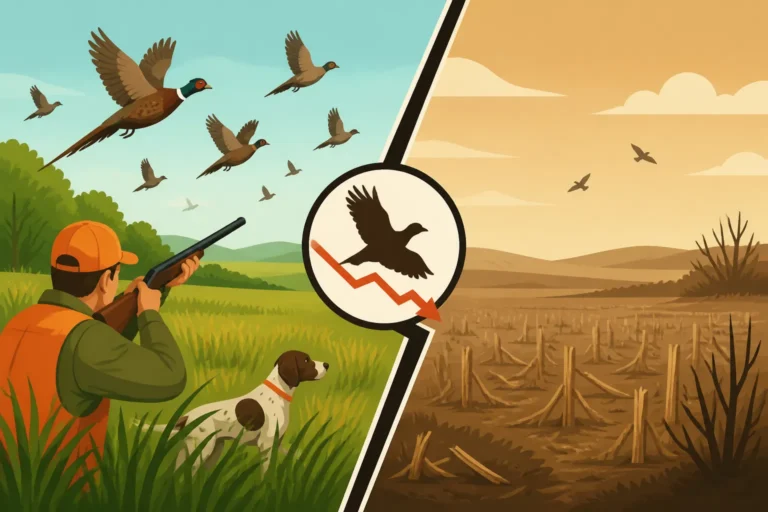
However, as with any ecological phenomenon, the good times couldn't last forever without facing challenges. Starting in the late 20th century and continuing into the 21st, South Dakota's pheasant populations have experienced periods of decline and fluctuation. One of the most significant factors impacting these numbers has been habitat loss, particularly the reduction of dense nesting and winter cover. The intensification of agriculture, driven by economic pressures and advancements in farming technology, has led to larger fields, fewer fence rows, and the conversion of marginal lands (which often served as prime pheasant habitat) into crop production.
The loss of CRP acres, a federal program that pays landowners to take environmentally sensitive land out of agricultural production and plant it with grasses and legumes, has been a particularly hard hit. These acres provided critical nesting and brooding habitat. When these contracts expire and land returns to row crops, pheasants lose vital real estate. You can learn more about this by reading CRP Loss and South Dakota Bird Numbers. Furthermore, severe weather events, such as prolonged droughts affecting nesting success or exceptionally harsh winters causing significant winter kill, also play a role. These factors, often working in concert, contribute to the "bust" periods in the pheasant cycle, creating frustratingly lean years for hunters.
Modern Management and Current Trends
Despite the challenges, South Dakota remains the premier destination for pheasant hunting, thanks to proactive management and conservation efforts by the South Dakota Department of Game, Fish and Parks. Modern strategies focus heavily on habitat improvement and acquisition, recognizing that habitat is the cornerstone of a healthy pheasant population. Programs like the Walk-In Area (WIA) program, which leases private land for public hunting, aim to secure and enhance habitat. You might find it useful to read about Hunting South Dakota Walk-In Areas if you're planning a trip.
Current trends show that pheasant populations can rebound with favorable weather and sustained habitat efforts. While we may not see the astronomical numbers of the "Golden Age" every year, consistent management, habitat enhancement, and responsible hunting practices ensure that hunters still enjoy fantastic opportunities. The state constantly monitors brood success, winter severity, and habitat conditions to make informed management decisions, proving that the commitment to these birds runs deep. The South Dakota GFP provides annual outlooks, often using models instead of the old brood survey, to give hunters an idea of what to expect each season, helping manage expectations and celebrate successes.
| Factor | Impact on Pheasant Population | Trend |
|---|---|---|
| Agricultural Practices | Abundant waste grain, potential habitat loss | Mixed |
| Nesting Cover | Essential for reproduction | Declining due to land use changes |
| Winter Cover | Critical for survival in harsh weather | Declining in some areas |
| Summer Weather | Favorable for chick survival, dry is good | Variable |
| Winter Severity | High mortality in extreme conditions | Variable |
| CRP Enrollment | Significant habitat boost | Fluctuating |
| Predator Pressure | Can impact nest and chick survival | Consistent |
| Habitat Management | Key to sustaining populations | Improving |
Economic and Cultural Impact on South Dakota
The ring-necked pheasant is more than just a game bird in South Dakota; it's a fundamental pillar of the state's identity, woven deeply into its economy and cultural fabric. Its presence has shaped communities, traditions, and the very image of the "Rushmore State."
Boosting Rural Economies
The economic impact of pheasant hunting on South Dakota's rural communities is nothing short of immense. Every fall, hunters from all corners of the country (and indeed, the world) descend upon the state, bringing with them a substantial influx of cash. This isn't just about license fees, though those are significant. Hunters spend money on gas, lodging, meals at local diners, groceries, sporting goods, dog supplies, and the services of guides and outfitters. Think about a small town like Miller, Ipswich, or Chamberlain during the pheasant season. These towns, sometimes with only a few hundred residents, swell with hunters, and every business, from the gas station to the local bar, feels the positive ripple effect.
Many small businesses, including family-owned motels, restaurants, and convenience stores, rely heavily on the pheasant season to boost their annual revenue, often accounting for a significant portion of their yearly income. It creates seasonal jobs and helps sustain communities that might otherwise struggle. This economic engine is so powerful that decisions about the pheasant season and habitat initiatives are often made with a keen eye on their potential impact on these vital rural economies. The pheasant truly is South Dakota's "golden goose," or in this case, its golden rooster.
Shaping Hunting Traditions and Community
Beyond the dollars and cents, pheasants have profoundly shaped the hunting traditions and community spirit in South Dakota. The pheasant opener, typically the third Saturday in October, isn't just another date on the calendar; it's a cherished annual event, almost a holiday for many families and groups of friends. Generations have passed down the traditions of pheasant hunting: the early morning drive to the field, the camaraderie of walking alongside family and friends, the thrill of a flushing rooster, and the pride in a well-trained dog.
The sport fosters a unique sense of community. Whether it's sharing stories at the local coffee shop, helping a neighbor get their dog ready, or simply gathering for a post-hunt meal, pheasants bring people together. For many non-residents, a South Dakota pheasant hunt is an annual pilgrimage, a chance to reconnect with old friends and make new memories against the backdrop of the vast prairie. These traditions extend to how we celebrate the bird itself, from the elaborate mounting of a prize rooster to the time-honored recipes for pheasant dinner. This deep cultural connection ensures that the legacy of the pheasant will continue for generations, making it a cornerstone of South Dakota's heritage. The excitement around the South Dakota Pheasant Opener Date is a testament to this deep-seated tradition.
Conservation and Management for Future Generations
The legacy of the pheasant in South Dakota is a testament to successful introduction, but its continued prosperity relies entirely on ongoing conservation and proactive management. Hunters and non-hunters alike recognize the importance of these efforts to ensure healthy populations for both ecological balance and future hunting opportunities.
Habitat Preservation and Restoration
At the heart of pheasant conservation in South Dakota is a relentless focus on habitat. As land use changes, maintaining and enhancing suitable cover and food sources becomes paramount. Organizations like the South Dakota Department of Game, Fish and Parks (GFP), Pheasants Forever, and various private landowners are constantly working on initiatives to preserve existing habitat and restore degraded areas. This includes planting diverse native grasses and legumes, establishing food plots that provide winter forage, and creating shelterbelts for crucial winter thermal cover.
Programs that incentivize landowners to maintain habitat, such as the Conservation Reserve Program (CRP) or state-specific initiatives, are critical. These programs recognize that much of the prime pheasant habitat exists on private lands, making partnerships with landowners essential. The goal isn't just to save existing patches but to create contiguous corridors of habitat, allowing birds to move safely and disperse effectively. Every acre of well-managed grassland, every new food plot, and every restored wetland contributes directly to the health and abundance of the pheasant population. This ongoing work is a testament to the long-term vision required to keep South Dakota the pheasant mecca.
Research and Monitoring for Informed Decisions
Effective wildlife management isn't guesswork; it's built on sound science and data. The South Dakota GFP invests significantly in research and monitoring programs to understand pheasant populations, their health, and how various factors impact their numbers. This includes roadside brood counts during the summer to estimate nesting success and chick survival, winter severity indices to predict overwinter mortality, and harvest surveys to track hunter success and overall bird numbers.
This robust data collection allows biologists and wildlife managers to make informed decisions about season lengths, bag limits, and habitat priorities. For instance, if a particular year sees a poor hatch due to excessive spring rains, management might adjust to ensure the breeding stock isn't overly impacted. Conversely, a strong year might allow for more liberal hunting opportunities. The integration of modern technology, including geospatial analysis and telemetry, further refines these insights. Organizations like GoHunt are also valuable resources for hunters to stay informed about current conditions and draw odds, providing critical data to plan hunts effectively. This continuous cycle of research, monitoring, and adaptive management is essential to navigate the inherent fluctuations of wild populations and ensure the long-term sustainability of pheasant hunting in South Dakota.
Hunter Education and Ethical Hunting Practices
Beyond direct population management, promoting responsible hunting is a cornerstone of conservation. South Dakota requires hunter education for many first-time hunters, emphasizing safety, wildlife identification, and ethical hunting practices. This ensures that new generations of hunters understand their role in conservation and respect the resource. Education covers everything from proper gun handling and muzzle discipline in a bird drive to understanding shooting hours for pheasants and knowing how to properly tag and transport birds legally.
Ethical hunting also involves respect for landowners, adherence to trespass laws, and understanding the importance of fair chase. It means making quick, clean shots and diligently working to retrieve every bird, even those that fall in dense cover. Organizations like Pheasants Forever also promote youth hunting programs, passing on these values to the next generation and fostering a lifelong commitment to conservation. Ultimately, every hunter in the field plays a part in the conservation effort, acting as stewards of the land and its wildlife, ensuring that the legacy of the South Dakota pheasant continues to thrive. You can find more information about these crucial requirements, including South Dakota Hunter Safety Requirements, on the GFP website.
Disclaimer
The information provided in this article is for general informational purposes only and is not intended as professional advice. Hunting regulations, license requirements, and wildlife populations can change frequently. Always consult the official South Dakota Game, Fish and Parks (GFP) website and the current year's hunting handbook for the most accurate and up-to-date information before planning any hunting activity.