Wildlife Violations on a Guided Hunt
It's a nightmare scenario no hunter wants to face: you've saved, planned, and finally embarked on a guided hunt in beautiful South Dakota, only to realize something isn't quite right. Whether it's an honest mistake or something more nefarious, finding yourself caught up in a wildlife violation on a guided trip can be terrifying, confusing, and have serious consequences. This guide is here to help you understand what constitutes a violation, who might be held responsible, and most importantly, how to protect yourself when you put your trust in an outfitter.
Understanding What Constitutes a Wildlife Violation
When we head afield, we assume our guides are the experts, the ones who know the land, the game, and especially, the rules. But regulations can be complex, and sometimes, even well-meaning guides can misinterpret a rule or make an error. Other times, unfortunately, there can be deliberate disregard for the law. Knowing what broadly falls under the umbrella of a wildlife violation is your first line of defense.
Common Types of Hunting Violations
Wildlife violations aren't always about outright poaching. Often, they stem from missteps in understanding or adhering to the specific details of hunting regulations. For instance, failing to properly tag an animal immediately after harvest is a common issue, even for seasoned hunters. This might seem minor, but it's a critical step in proving legal take and preventing misuse of a tag. Another frequent problem can be exceeding bag limits, perhaps encouraged by a guide who wants to ensure client satisfaction, or hunting outside of legal shooting hours. Imagine the sun just dipping below the horizon, and your guide urges "just one more shot!" – that could easily put you on the wrong side of the law.
Another area ripe for violations is related to licensing and permits. Maybe your guide assures you that a certain area is open, but your specific license doesn't cover it, or perhaps you're hunting with a species-specific tag but pursue another animal. Even seemingly innocent actions, like using an illegal weapon for a particular season or failing to report a harvest as required, can lead to charges. It's not always a high-stakes, dramatic bust; sometimes it's simply a failure to follow the detailed administrative steps that are part of legal hunting.
South Dakota Specific Regulations to Watch For
South Dakota has its own set of rules, which can differ significantly from other states. For instance, understanding the nuances of South Dakota Hunter Education and Licensing is paramount. Non-resident pheasant hunters, for example, often purchase a small game license that allows hunting for two non-consecutive five-day periods, or a single longer period. Miscounting these days or hunting outside your declared period is a violation.
Regarding big game, understanding the specific deer units and associated tags is critical. A West River Any Deer tag, for example, is for a specific unit, and hunting outside that unit, even by a small margin, can lead to a trespass violation if it’s private land, or a tag violation if you’re on public land not covered by your specific unit. Another often-overlooked area is carcass transport rules, especially with concerns like Chronic Wasting Disease (CWD). There are strict regulations about what parts of a deer can be transported out of certain CWD management areas. Your guide should know these, but ultimately, the responsibility often falls on the hunter. Furthermore, always be aware of the exact South Dakota Harvest Reporting Rules. Failure to report an animal can invalidate your legal take.
Who is Held Responsible: Hunter, Guide, or Both?
This is where things can get really tricky, and frankly, quite unfair-feeling to the hunter. When a violation occurs on a guided hunt, the question of culpability isn't always clear-cut, and it's a common misconception that the guide is solely responsible.
The Hunter's Ultimate Responsibility
It's a tough pill to swallow, but in almost all circumstances, the hunter is ultimately responsible for their own actions and ensuring compliance with hunting laws. Ignorance of the law is rarely an acceptable defense, even if you were following your guide's instructions. When you pull the trigger, that's your action, and you are expected to have the appropriate license and knowledge of the game laws.
Imagine this: your guide points out a mule deer buck across a fence, insisting it's on public land. You take the shot. Later, a game warden approaches, revealing the deer was indeed on private land where you didn't have permission. Even though your guide told you it was okay, you pulled the trigger, and you will likely be charged with trespass and potentially unlawful take. The guide might also face charges, but your personal liability remains. This is why due diligence is so crucial. Don't simply trust implicitly. Take responsibility for your hunting education and be aware of key regulations laid out in the South Dakota Hunting Handbook Release.
Guide and Outfitter Liability
That's not to say guides and outfitters are off the hook. Far from it. Guides and outfitters can absolutely face severe penalties, including fines, loss of their guiding license, and even jail time, depending on the severity and nature of the violation. If a guide knowingly directs a client to commit an illegal act, encourages over-limits, hunts in closed areas, or aids in illegal activities, they can and will be prosecuted.
For example, if an outfitter consistently provides illegal tags or operates a business without the proper permits, they would face direct charges for those actions. If a guide repeatedly tells clients to shoot multiple deer on a single-tag hunt, they could be charged with aiding and abetting. The law often views guides as professionals with a higher degree of knowledge and ethical responsibility, especially when clients are paying for their expertise. Their actions can have a ripple effect, impacting not only their business but also their reputation, which services like BookYourHunt and GoHunt rely on to maintain their listings of quality operators.
However, the legal system can be complex. In many cases, both the hunter and the guide may be cited or charged, with the courts determining the degree of culpability for each party. It's a heavy burden, and one that underscores the importance of choosing a reputable outfitter.
Here's a simplified table illustrating potential responsibilities in common scenarios:
| Violation Type | Hunter Responsibility | Guide/Outfitter Responsibility |
|---|---|---|
| No Valid Hunting License | Primary: Hunter must possess valid license. | Secondary: Guide should verify client has a license. If guide knowingly takes unlicensed hunter, they could be charged with aiding/abetting. |
| Hunting Out of Season | Primary: Hunter must know season dates. | Primary: Guide should know and adhere to season dates. If guide directs out-of-season hunt, both liable. |
| Exceeding Bag Limit | Primary: Hunter must count their take. | Primary: Guide should track client's take and instruct adherence to limits. If guide encourages over-limit, both liable. |
| Illegal Method of Take | Primary: Hunter must use legal weapon/method. | Primary: Guide should ensure legal methods are used. If guide provides illegal equipment or advises illegal method, both liable. |
| Trespassing | Primary: Hunter must have permission for land. | Primary: Guide should know property boundaries and have permission. If guide knowingly leads hunt onto private land without permission, both liable. |
| Failure to Tag Game | Primary: Hunter must tag immediately upon kill. | Secondary: Guide should remind and supervise tagging. If guide prevents proper tagging, could be charged. |
Protecting Yourself as a Hunter
The best defense against a wildlife violation on a guided hunt is proactive prevention. It starts long before you ever step foot in a field.
Thoroughly Vetting Your Outfitter
Before you book anything, do your homework, and I mean serious homework. Don't just pick the first name that pops up in a search or relies solely on a flashy website. Platforms like BookYourHunt and GoHunt can be great starting points for discovery, but they are just that – a starting point. Dig into reviews, not just the glowing ones on the outfitter's own site, but independent forums and review aggregators. Look for consistency and specific details, not just generic praise.
One of the most crucial steps is to ask for references. Speak to past clients, and ask them very specific questions:
- "Did the hunt align with what was advertised?"
- "Were there any concerns about legality or ethical practices?"
- "How did the guide handle situations near property lines or regarding bag limits?"
- "Did they explain the local regulations clearly?"
Also, check if the outfitter is properly licensed by the state. This information is often public record, and a reputable outfitter should be transparent about it. Any hesitation or evasiveness should be a major Red Flags When Booking in South Dakota. Don't be shy about asking direct questions about their practices and adherence to wildlife laws. Reputable outfitters will welcome your questions and be happy to provide detailed answers.
Understanding Your License and Regulations
Even if you're paying a guide, you are responsible for knowing the fundamental rules of your hunt. Before you leave home, read the South Dakota hunting regulations for the specific species and season you'll be hunting. This includes understanding bag limits, season dates, legal shooting hours, and tagging requirements. You can find this information readily available on the South Dakota Game, Fish and Parks (GFP) website. Pay close attention to any special unit restrictions or specific weapon requirements.
Make sure your hunting license and any required tags are purchased correctly and are valid for your specific hunt. If you're hunting deer, understand your unit boundaries. For pheasants, be clear on your five-day periods if you're a non-resident. You should carry a copy of the regulations (either physical or digital) with you in the field. This way, if there's ever a question or a directive from your guide that feels off, you can quickly consult the official rules. Think of it as your own personal backup system. Being well-informed empowers you to make ethical decisions, even under pressure. Reviewing resources like Questions to Ask a South Dakota Outfitter can help you form a good checklist for your due diligence.
Communication and Refusal
Open communication with your guide is vital. Before the hunt even begins, discuss expectations regarding ethics and legal compliance. Make it clear that you expect to hunt legally and ethically at all times. If, at any point during the hunt, your guide suggests an action that feels wrong or illegal, speak up immediately. Ask for clarification. Refer to your regulations book.
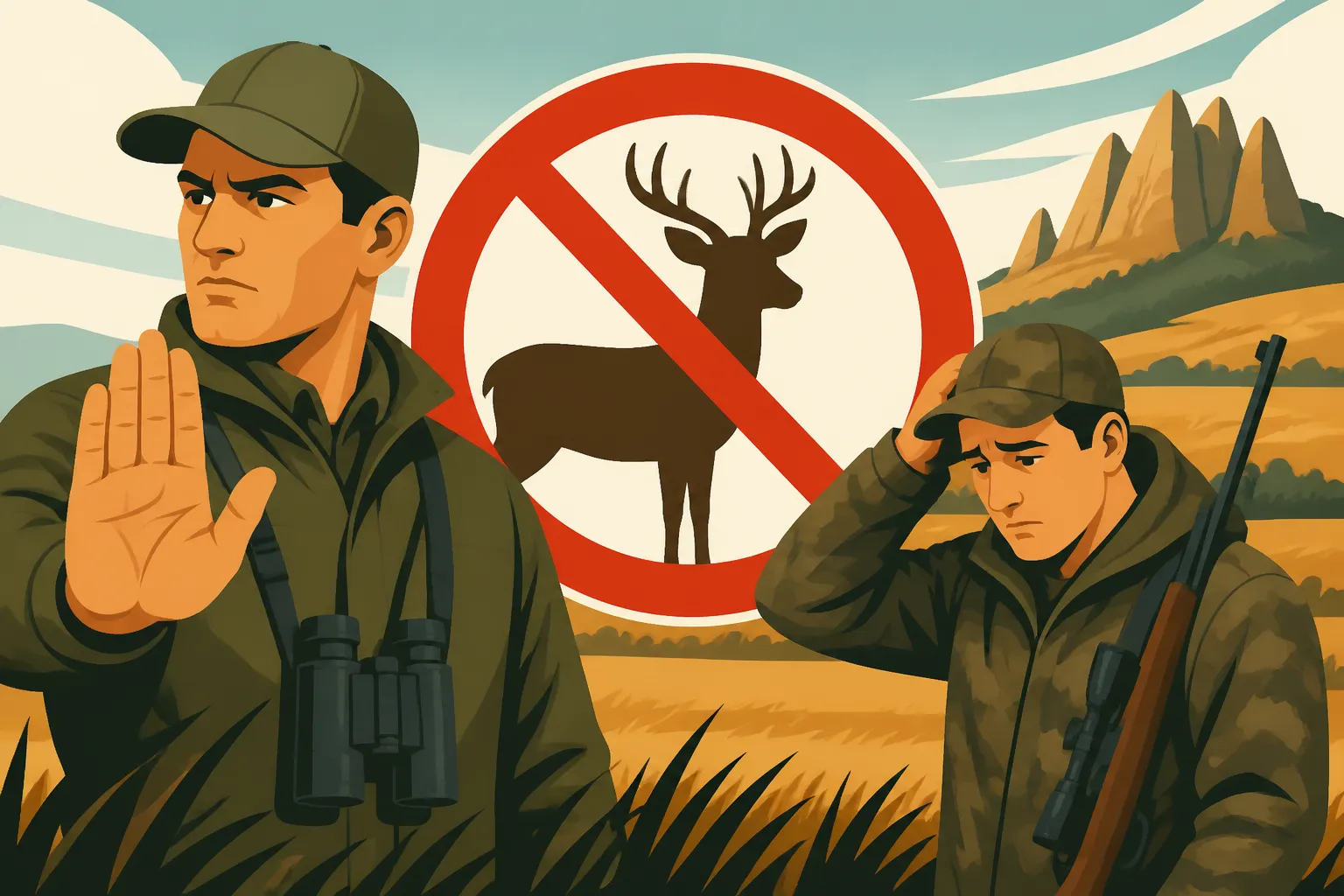
It can be uncomfortable, even intimidating, to question a professional you've paid, but your license, your reputation, and potentially your freedom are on the line. If you're told to shoot a second pheasant after you've already filled your daily limit, or to cross a fence onto clearly posted private property, you have every right—and indeed, a responsibility—to refuse. If the guide insists, it's time to end the hunt. While it's a terrible situation to be in, walking away from a questionable situation is far better than facing South Dakota Wildlife Violation Penalties. Your safety and legal standing come first, always.
Reporting and Consequences
Should the unfortunate happen and you witness or are involved in a violation, knowing the proper steps to report and understanding the potential consequences is crucial.
What to Do If You Witness or Suspect a Violation
If you witness a violation by your guide or another hunter in your party, or if you yourself are involved in one due to your guide's instructions, documenting everything is key. Make detailed notes:
- Date, time, and specific location (GPS coordinates if possible).
- Description of the violation.
- Names of individuals involved.
- Vehicle descriptions and license plates.
- Photos or videos if safe and legal to obtain.
Then, immediately report it to the proper authorities. In South Dakota, this means contacting a game warden or calling the GFP's Turn In Poachers (TIP) line. Do not try to handle the situation yourself, and do not confront the individuals involved directly, as this could escalate the situation and put you at risk. For specific guidance on how to provide this information effectively, you can look up resources related to Reporting Poaching in South Dakota. Your prompt and accurate reporting can help protect wildlife and ensure justice.
Legal and Practical Consequences
The consequences for wildlife violations in South Dakota can range from warnings and fines to license suspension, equipment forfeiture, and even jail time for serious offenses. Fines can be substantial, often in the hundreds or thousands of dollars, depending on the species and the nature of the violation. Forfeiture of the illegally taken game and any equipment used (like a firearm or vehicle) is also a possibility. Repeated offenses or serious violations can lead to a lifetime ban from hunting.
Beyond the legal ramifications, there are significant practical and ethical consequences. A conviction for a wildlife violation can stay on your record, potentially impacting your ability to hunt in other states through interstate compacts. It damages your reputation as a responsible hunter and can lead to a great deal of personal stress and financial strain. From an outfitter's perspective, a violation can lead to a loss of their operating license, massive fines, and a complete destruction of their business and livelihood. This is why it's so critical for both hunters and guides to understand and respect the law – the stakes are incredibly high for everyone involved. Outfitter Contracts and Deposits in South Dakota will often have clauses about adherence to laws, and any violation could invalidate your agreement.
Disclaimer
This article is for general informational purposes only and does not constitute professional advice. Laws, prices and regulations vary by location and change over time. Consult a qualified professional for guidance on your specific situation.