Lacreek Refuge Hunting Access
One of the biggest hurdles for any hunter looking to explore new grounds in South Dakota is figuring out the access rules and what’s actually open to hunting, especially when you’re dealing with federal lands like National Wildlife Refuges. It can feel like navigating a maze of specific regulations, unit boundaries, and often counter-intuitive local rules. This comprehensive guide is designed to cut through that confusion, giving you a clear picture of what to expect when you consider hunting at Lacreek National Wildlife Refuge.
Understanding Lacreek National Wildlife Refuge
Lacreek National Wildlife Refuge, nestled in Bennett County in the southwestern part of South Dakota, is more than just a beautiful expanse of land; it's a vital haven for migratory birds and other wildlife. Established primarily as a nesting and resting area for waterfowl and other migratory birds, the refuge's mission revolves around conservation and providing essential habitat. This purpose directly impacts how and where hunting is permitted, making it quite different from simply stepping onto state Game Production Areas or Walk-In Areas.
The landscape itself is a mix of wetlands, grasslands, and some limited areas of dense cover, all managed to support a diverse ecosystem. These habitats are crucial for ducks, geese, and various shorebirds, but also provide a home for deer, turkeys, and furbearers. Because it's a federal refuge, the rules are often stricter and more specific than those you might encounter on state lands, reflecting the priority given to wildlife protection and scientific management. It's not uncommon for sections to be completely closed to hunting, or for specific regulations to apply to certain species, making pre-hunt research absolutely essential.
Purpose and History of the Refuge
Lacreek National Wildlife Refuge was established way back in 1935 by President Franklin D. Roosevelt, a testament to its long-standing importance in wildlife conservation. The driving force behind its creation was to protect and restore migratory bird populations, particularly waterfowl, which were facing significant declines due to habitat loss and drought conditions of the era. The refuge spans thousands of acres, a mosaic of water management units, native grasslands, and carefully planted cover crops. Over the decades, management efforts have focused on maintaining stable water levels, controlling invasive species, and providing food and cover for birds throughout their migration patterns.
This historical context is important because it underscores why certain areas within the refuge might be designated as "closed" or "restricted." The primary goal is to ensure undisturbed breeding, nesting, and resting sites for sensitive species. While hunting is a recognized and valued wildlife management tool, it is always secondary to the refuge's core conservation objectives. For hunters, this means adapting to a more structured and often less expansive hunting environment than what you might find on larger, more general public lands like the National Grasslands or even some South Dakota Game Production Areas.
Geographic Location and Terrain
Lacreek Refuge is situated in the Nebraska Sandhills region, though technically within South Dakota. This gives it a unique blend of habitats, from shallow lakes and marshes fed by the Lacreek to rolling sandhills and expansive grasslands. The refuge's proximity to larger rivers and other wetland complexes in the region makes it a significant stopover point on the Central Flyway for waterfowl. Driving through, you'll see large pools of water, often surrounded by cattails and reeds, transitioning into drier uplands with native grasses and some scattered pockets of trees.
For hunters, understanding this terrain is crucial. Waterfowl hunting will obviously focus on the wetlands, while deer or turkey hunting might lead you to the grassier uplands or along the edges of larger water bodies. The nature of the landscape also means that access points can be limited, and navigating the refuge might require specific knowledge of roads, parking areas, and designated hunting zones. It’s not a place you just blindly drive into; a good map, like what you’d find on the onX Hunt app, is indispensable for locating legal access roads and ensuring you stay within permitted hunting boundaries.
Hunting Opportunities at Lacreek Refuge
While conservation is the primary goal, Lacreek National Wildlife Refuge does offer regulated public hunting opportunities for several species. However, it's critical to understand that these opportunities are often limited in scope, species, and duration compared to open public lands. The refuge aims to provide quality hunting experiences while ensuring minimal disturbance to the overall wildlife populations and their habitats. This balance means hunters need to be especially diligent in reviewing current regulations directly from the South Dakota Game, Fish and Parks (GFP) and the U.S. Fish and Wildlife Service (USFWS) specific to Lacreek.
The hunting seasons here often align with state seasons but may have more restrictive dates or even completely different opening and closing times. Bag limits can also be more stringent, and specific weapon restrictions might be in place. Don't assume that because something is legal statewide, it's automatically legal within the refuge boundaries.
Permitted Game Species
The primary draw for many hunters at Lacreek Refuge is waterfowl. The refuge's extensive wetlands make it a magnet for ducks and geese, especially during the fall migration. You can expect to find various puddle ducks like mallards, pintails, teal, and wigeon, as well as diving ducks on the larger water bodies. Canada geese are also common. Beyond waterfowl, there are usually opportunities for deer, primarily white-tailed deer, and sometimes turkeys or even upland birds like pheasants, though the focus is less on upland species due to habitat type and management priorities. Decoying Ducks on a South Dakota Prairie Pothole is a tactic many hunters employ here, given the abundant water.
Here’s a general overview of common hunting opportunities, but remember to always check current regulations:
| Species | Typical Hunting Method | General Season Timing | Special Regulations (Common) |
|---|---|---|---|
| Waterfowl | Decoying, Jump Shooting | Fall (Sept-Jan) | Specific blinds, non-toxic shot only, special shooting hours, sometimes limited entry. |
| Deer | Archery, Muzzleloader | Fall (Sept-Dec) | Specific zones, antlerless permits often restricted. |
| Turkey | Shotgun, Archery | Spring/Fall | Limited units, draw tags often required. |
| Upland Birds | Walking with dogs | Fall (Oct-Jan) | Very limited access/numbers, often closed. |
Note: This table provides general information. Specific dates, limits, and rules change annually. Always consult current refuge and state regulations.
Season Dates and Specific Regulations
The hunting seasons at Lacreek Refuge are published annually and can vary slightly from year to year. It’s absolutely essential to consult the most current refuge-specific regulations, which are often available as a hunt brochure or fact sheet directly from the refuge office or their website. These documents will outline everything from legal shooting hours, which might differ from statewide regulations (for example, often starting later in the morning to allow birds to leave roosting areas), to specific non-toxic shot requirements for all hunting, not just waterfowl.
You'll also find details on permitted weapons – some areas might be archery-only for deer, while others allow muzzleloaders during specific windows. South Dakota Waterfowl Seasons and Zones will give you the statewide context, but Lacreek’s rules can supersede or augment those. Furthermore, some portions of the refuge might only be open on certain days of the week, or require hunters to check in and out at a designated station. It's a system designed for precision, so don't leave your research to chance. A tool like GoHunt can help you track general season dates, but the specific refuge regulations will always be the final word.
Navigating Access and Regulations
Hunting Lacreek Refuge isn't as simple as driving up and walking in. There are specific access points, parking areas, and designated hunting units that you must adhere to. This level of detail requires planning and using reliable mapping tools to ensure you're always on solid legal ground. Disregarding these regulations can lead to serious penalties, from fines to loss of hunting privileges.
One common frustration for hunters on federal refuges is the feeling of being over-regulated. However, these rules are in place to balance conservation with recreational use, ensuring the unique habitats and wildlife populations thrive. It's about respecting the specific purpose of the refuge and doing your part to maintain its ecological integrity for future generations.
Permits and Special Requirements
Beyond your standard South Dakota hunting license, habitat stamp, and any federal stamps like the South Dakota Federal Duck Stamp Rules for waterfowl, Lacreek National Wildlife Refuge often has its own set of permits or requirements. This could include a refuge-specific hunting permit, which might be free or require a small fee, and is often obtainable online or at the refuge headquarters. For certain big game opportunities, like deer or turkey, you might need to apply for a limited draw permit specific to the refuge, separate from the general state draw. These refuge-specific draws can be highly competitive due to limited tag numbers.
Always verify if a check-in/check-out system is in place. Many refuges require hunters to register upon arrival and report their harvest upon departure. This data is critical for refuge management to monitor hunting pressure and wildlife populations. Failure to comply can result in warnings or citations. Always carry your valid state and federal licenses, proof of any refuge permits, and identification while hunting on Lacreek. You'll also need to ensure you're familiar with South Dakota Hunter Education and Licensing requirements before even applying.
Utilizing Mapping Tools like onX Hunt
In today's hunting world, digital mapping tools are an absolute game-changer, and nowhere are they more useful than on complex public lands like Lacreek Refuge. onX Hunt is an invaluable resource for navigating these areas. With onX Hunt, you can download offline maps to your phone, showing detailed property boundaries, including the precise limits of the refuge and any adjacent private land. This is crucial for avoiding trespass and ensuring you're only hunting in permitted zones.
The app also typically highlights designated public access points, parking areas, and often even trail systems. For Lacreek, these maps can show water impoundments, areas marked as "closed to hunting," and specific units open to different species. Before you even leave home, you can scout the refuge virtually, identifying potential hunting spots, access routes that don't blow out birds, and escape cover for deer. You can mark waypoints for blinds, observe historical aerial imagery to see how water levels might have changed, and plan your approach with precision. E-Scouting Walk-In Areas Before the Season is a skill that translates directly to refuge hunting.
Understanding Designated Hunting Zones and Closures
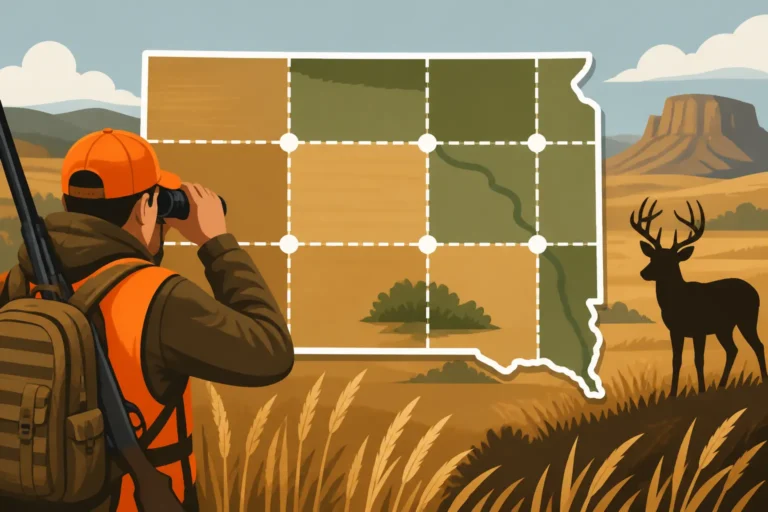
It's common for National Wildlife Refuges to divide their lands into various zones, some open to hunting, some open to specific types of hunting, and others completely closed. These closures are usually marked with signs on the ground, but relying solely on signs in dense cover or large areas can be risky. This is where your onX Hunt app, combined with the official refuge map, becomes your best friend.
A zone might be "Waterfowl Hunting Only" or "Archery Deer Only," while another might be a "Wildlife Sanctuary" completely off-limits to human entry during certain times of the year. Some areas are designated as "Retrieval Zones," allowing hunters to enter closed areas only to retrieve legally harvested game, and then only under specific conditions (e.g., unloaded firearm, direct route). Always double-check if your chosen hunting method and target species are permitted in the specific unit you intend to hunt. This is a common point of confusion for hunters unfamiliar with federal lands, so take the time to study the maps and regulations.
Tips for a Successful Hunt at Lacreek
Hunting a National Wildlife Refuge like Lacreek can be an incredibly rewarding experience, offering unique opportunities to pursue game in a managed, wild setting. However, it requires a different mindset and level of preparation than a typical pheasant hunt on private land or a deer hunt on a large block of National Forest. Success at Lacreek often hinges on thorough research, respectful adherence to regulations, and adapting your tactics to the specific environment.
Remember that these are conservation areas first, and hunting is a privilege managed carefully. Approaching your hunt with respect for the rules and the wildlife will not only increase your chances of success but also contribute to the long-term sustainability of hunting opportunities at the refuge.
Pre-Season Scouting and Research
Just like hunting anywhere else in South Dakota, pre-season scouting is paramount, but for Lacreek, it needs to be combined with deep regulatory research. Start by reviewing the official refuge website and hunting regulations as soon as they are released for the upcoming season. Pay close attention to any changes from previous years regarding hunting areas, access, and species. You can also contact the refuge office directly; the staff are often a wealth of information and can clarify any confusing rules.
Once you have the regulatory framework, dive into your mapping applications like onX Hunt. Identify all legal access points, parking areas, and the boundaries of permitted hunting zones. Look for water levels, historical patterns of bird use (if available), and potential travel corridors for deer. If you can physically scout, do so! Drive the accessible roads, walk the open areas, and observe where birds are roosting or feeding. Scouting South Dakota Public Ground Before the Season is a critical step, and even more so on a refuge. Look for signs of game, but also note areas of heavy cover, prevailing winds, and potential blind locations.
Waterfowl Hunting Specifics
For waterfowl hunters, Lacreek is a gem, but it demands specific tactics. Decoying is a popular and effective method, especially for ducks on the numerous potholes and impoundments. Consider smaller, mobile spreads if you're hunting walk-in areas, or larger spreads if you have boat access to bigger water bodies where allowed. Concealment is key – natural blinds are best, but layout blinds or portable blinds are often necessary in open environments. Pay close attention to the wind, as it dictates how ducks will approach your spread. Decoy Spreads on a Prairie Pothole will be different from hunting larger lakes.
Jump shooting can also be productive in certain areas, particularly along smaller creeks or less-pressured marshes, but be mindful of other hunters and refuge regulations that might limit this method. Regardless of your chosen tactic, non-toxic shot is mandatory for all waterfowl hunting, and often for all hunting within refuge boundaries. Be prepared for potentially crowded conditions on opening weekends, and consider weekday hunts for a more solitary experience. Remember, South Dakota Duck Bag Limits and possession limits are statewide, but refuge rules might add further restrictions.
Big Game and Upland Bird Hunting Considerations
While waterfowl steal the spotlight, big game opportunities for deer and sometimes turkey can be excellent at Lacreek. For deer, archery hunting is a popular method, allowing hunters to stalk through the varied terrain or set up in natural blinds along travel corridors. Whitetails will often use the dense cover around water bodies and brushy draws as bedding areas, moving to adjacent grasslands or agricultural fields (if present) to feed. Understanding Whitetail Range Along South Dakota Rivers can help you predict deer movement here. Muzzleloader seasons offer another opportunity, but again, check the specific weapon restrictions for the refuge.
Upland bird hunting, particularly for pheasants, is usually very limited at Lacreek Refuge, if offered at all. The habitat management is often geared towards waterfowl and migratory birds, meaning classic pheasant cover might be scarce or designated as closed. If upland hunting is permitted, expect lower bird numbers and focus on the edges of grasslands near water or dense pockets of cover. Always check the refuge's specific hunting brochure for the most current information on upland species.
Respecting the Refuge and Other Users
Hunting on a National Wildlife Refuge is a shared experience. You'll likely encounter other hunters, birdwatchers, photographers, and general wildlife enthusiasts. Maintaining a respectful demeanor and adhering to all rules not only ensures a positive experience for everyone but also strengthens the case for continued hunting access on these precious public lands.
Pack out everything you pack in, including spent shell casings. Leave no trace of your presence. Park only in designated areas. Be aware of sound and movement, especially during peak migration periods, to avoid disturbing non-target species or other recreational users. These common courtesies go a long way in fostering a positive image of hunters as responsible conservationists. The more we demonstrate respect for these unique areas, the more likely these opportunities will continue to exist for future generations.
Disclaimer
This article is for general informational purposes only and does not constitute professional advice. Laws, prices and regulations vary by location and change over time. Consult a qualified professional for guidance on your specific situation.