Sand Lake Refuge Hunting Rules
Hunting on federal lands can often feel like navigating a bureaucratic maze, especially when you're trying to figure out the specific rules for a national wildlife refuge. It's easy to get overwhelmed by the layers of state and federal regulations, leaving you wondering if it's even worth the effort to chase those pheasants or ducks. This guide will walk you through the essential hunting rules and opportunities at the Sand Lake National Wildlife Refuge in South Dakota, helping you understand what to expect and how to prepare for a successful and legal hunt.
What is Sand Lake National Wildlife Refuge?
The Sand Lake National Wildlife Refuge, nestled in northeastern South Dakota, is far more than just another piece of public land. Established in 1935, it's a critical stopover and nesting area for millions of migratory birds on the Central Flyway, making it an absolute gem for waterfowl and upland bird enthusiasts alike. The refuge encompasses thousands of acres, featuring vast expanses of marsh, open water, native prairie grasslands, and managed croplands, all designed to provide vital habitat. It's a place where you can witness incredible concentrations of ducks and geese during migration, and where pheasants thrive in the dense cover surrounding the water.
A Haven for Migratory Birds and Local Wildlife
The very essence of Sand Lake Refuge is its role as a vital link in the chain of migratory bird habitats across North America. When fall arrives, the skies fill with ducks and geese, using the refuge as a crucial staging area before continuing their journey south. Species like mallards, northern pintails, Canada geese, and various diving ducks are abundant. Beyond the waterfowl, the prairie uplands are a stronghold for ring-necked pheasants, and you might also encounter deer, coyotes, and various non-game species. It’s a dynamic ecosystem, managed meticulously to balance wildlife conservation with public use, including hunting, fishing, and wildlife observation. Understanding its primary purpose as a refuge helps frame why certain hunting rules are in place – they are designed to protect the very resource hunters cherish.
Balancing Conservation with Public Access
The U.S. Fish and Wildlife Service, which manages national wildlife refuges, operates under a mandate to conserve wildlife and habitat while also allowing compatible public uses. Hunting is considered one of these "compatible uses," but it comes with strict guidelines to ensure it doesn't negatively impact the refuge's primary conservation mission. This means that while hunting is indeed allowed, it's often confined to specific areas, during specific seasons, and under additional regulations beyond what you'd find on typical state public lands. This balance can sometimes feel restrictive, but it's what preserves the quality of the habitat and the wildlife populations for future generations to enjoy. It requires hunters to be diligent in checking and adhering to the refuge's unique rules.
Specific Hunting Opportunities at Sand Lake Refuge
Sand Lake National Wildlife Refuge offers a few distinct hunting opportunities, primarily focused on migratory birds and upland game. It’s crucial to understand that not all species are open to hunting, and even for those that are, the regulations can differ significantly from statewide rules. Always consult the most current refuge-specific regulations, which are usually available on the U.S. Fish and Wildlife Service website for Sand Lake, or at the refuge headquarters.
Waterfowl Hunting: Ducks and Geese
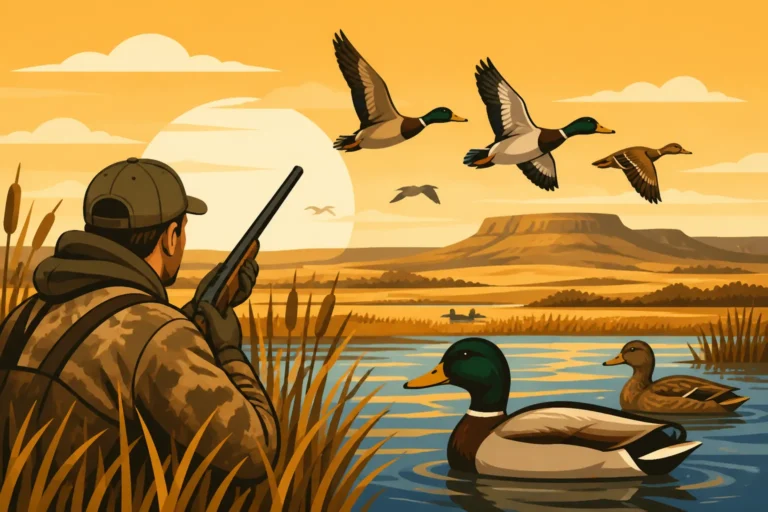
Waterfowl hunting is undoubtedly the main draw at Sand Lake, given its role as a major staging area. Hunters can pursue various duck species and Canada geese within designated hunt units. These units are typically identified on refuge maps, and access might be limited to certain times of day or specific entry points. You’ll find that non-toxic shot is mandatory for all waterfowl hunting on the refuge, a common regulation across federal lands to protect the environment from lead contamination. Decoy spreads can be effective here, especially in the larger pools or around the managed wetlands. Remember, Decoying Ducks on a South Dakota Prairie Pothole or Field Hunting Geese in South Dakota Cut Corn tactics might need slight adjustments to conform to refuge-specific rules regarding blind placement or setback distances from water bodies.
| Species | Typical Season Timing (Check Current Regs) | Special Considerations |
|---|---|---|
| Ducks (various) | Roughly September – December | Non-toxic shot required, specific hunt units, potential shooting hour restrictions. |
| Canada Geese | Roughly September – December | Non-toxic shot required, specific hunt units, potential shooting hour restrictions. |
| Pheasants | Roughly October – January | State season dates generally apply, but refuge boundaries may have specific opening/closing times or daily bag limits. |
Upland Game Hunting: Ring-necked Pheasants
While waterfowl often take center stage, Sand Lake also offers some excellent pheasant hunting, especially in the grass and cattail edges surrounding the wetlands. South Dakota is, after all, the pheasant capital, and the refuge provides prime habitat for these birds. The season for pheasants on the refuge generally aligns with the statewide South Dakota Pheasant Season and Licences, but there may be specific refuge-level restrictions on hunting dates (e.g., closing early, or not opening until a certain date), daily bag limits, or shooting hours. It’s vital to confirm these details as they can differ from the general state regulations. Hunters with dogs will find ample cover for their canine companions, but always be mindful of other hunters and refuge visitors.
Limited Big Game Opportunities
Generally, Sand Lake National Wildlife Refuge is not known as a primary big game destination. While white-tailed deer are present on the refuge, specific hunting opportunities for them are usually very limited, often requiring special draw permits or being open only during extremely restricted seasons if at all. These opportunities are rare and highly controlled, so don't plan a deer hunt around Sand Lake without first securing a refuge-specific permit and confirming that such a hunt is indeed offered for the current year. Most hunters visiting Sand Lake are focused on the world-class bird hunting.
Understanding the Rules and Regulations
Hunting on a National Wildlife Refuge requires meticulous attention to detail regarding regulations. You're not just adhering to South Dakota's hunting laws; you're also bound by an additional set of federal rules specific to Sand Lake. Failing to understand these can lead to a ruined hunt, fines, or loss of hunting privileges.
General Refuge Rules and Prohibited Activities
Federal refuges have a core set of rules that apply across the board, with some specifics tailored to each individual refuge. For Sand Lake, these commonly include:
- Non-Toxic Shot: As mentioned, this is generally mandatory for all hunting on the refuge, not just waterfowl. This protects the environment and other wildlife from lead poisoning. Always double-check this, but it's a safe assumption for any federal refuge.
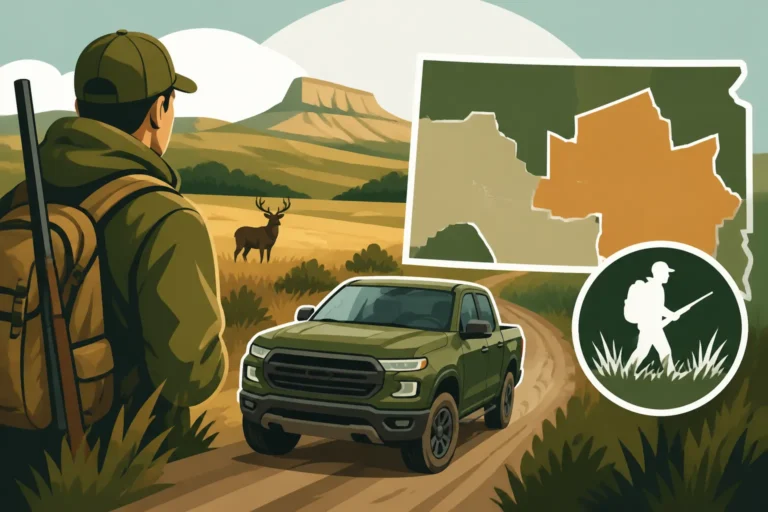
- Motorized Vehicle Use: Access for vehicles is typically restricted to designated public roads and parking areas. Off-road travel, even for retrieving game, is almost universally prohibited. This is where a good mapping tool like onX Hunt becomes invaluable, allowing you to clearly see refuge boundaries and approved access points.
- Blinds and Decoys: There might be rules regarding temporary versus permanent blinds, how long decoys can be left out, and setback distances from public roads or established boundaries.
- Retrieving Game: While retrieving legally harvested game is allowed, specific rules might dictate how you do it. For example, you might not be allowed to enter areas closed to hunting, or use vehicles where prohibited. This is particularly important for waterfowl that fall into dense cattail sloughs or across boundaries.
- Littering: Pack it in, pack it out. This goes without saying for any responsible hunter, but it's strictly enforced on refuges.
- Alcohol: Consumption of alcoholic beverages might be prohibited in certain areas or entirely on the refuge during hunting hours.
- Firearms: Beyond state laws, there might be specific rules about carrying loaded firearms in vehicles or in specific non-hunting zones.
Always, and I mean always, review the current Sand Lake National Wildlife Refuge Public Use Regulations brochure or website before you leave home. State-level resources like GoHunt can provide excellent general information, but the refuge's specific brochure is the ultimate authority for their land.
Permit Systems and Application Deadlines
While some hunting on Sand Lake might be open with just your standard state hunting licenses and a federal duck stamp (if waterfowl hunting), other opportunities, especially for big game or even specific pheasant units, could require a special refuge permit. These permits are often limited in number and may involve an application process or a lottery draw.
For instance, if there's a limited deer hunt, you'd likely need to apply directly through the refuge. These application periods usually have strict deadlines that do not align with state draw deadlines. Missing a deadline means missing the opportunity for that year. It's a classic frustration for hunters: you've got your South Dakota Nonresident Hunting Licence Cost and your South Dakota Federal Duck Stamp Rules, but then you find out you need another permit just for this one piece of ground! Stay organized, mark your calendar, and check the refuge website well in advance of your planned trip.
Designated Hunt Units and Time Restrictions
The refuge is often divided into distinct hunt units, with varying regulations for each. Some units might be open to hunting, while others are entirely closed for sanctuary purposes. Furthermore, hunting hours on a refuge can be more restrictive than statewide shooting hours. For example, shooting might not be allowed until after sunrise, or might close earlier than sunset. These time restrictions are put in place to reduce disturbance to resting birds and other wildlife, particularly during sensitive periods. Navigating these zones effectively benefits greatly from familiarizing yourself with South Dakota Hunter Safety Requirements and maintaining strict muzzle discipline, especially in busy public areas.
Planning Your Hunt and Avoiding Common Pitfalls
A successful hunt at Sand Lake National Wildlife Refuge isn't just about sharp shooting; it's about smart planning and preparation. Because of the layered rules and the unique environment, going in unprepared can lead to frustration and missed opportunities.
Required Licenses, Stamps, and Permits
Before you even think about packing your gear, confirm you have all the necessary paperwork. For hunting any game on the refuge, you'll need a valid South Dakota hunting license. If you're chasing waterfowl, a federal duck stamp is a must, along with being HIP (Harvest Information Program) registered. Don't forget that South Dakota HIP Registration is mandatory for all migratory bird hunters. Beyond that, as discussed, check for any refuge-specific permits. It’s always better to have an extra permit than to be caught without a required one. Many a hunter has driven for hours only to find out they lack a crucial piece of paper.
Scouting and Mapping Tools
Pre-season scouting, even if just through digital means, is incredibly important for Sand Lake. The refuge provides maps, but overlaying them with modern satellite imagery is a game-changer. Tools like onX Hunt allow you to clearly identify refuge boundaries, designated hunt units, roads, and potential cover or water bodies. You can mark parking areas, walk-in access points, and areas that look promising for pheasants or ducks. Reading Aerial Imagery for Cattail Cover can help you pinpoint those thick pheasant haunts, while understanding the contours of the water can inform your waterfowl decoy placement. Don't rely solely on general South Dakota public land maps; the refuge's specific zones are what matter here.
Respecting Boundaries and Closed Areas
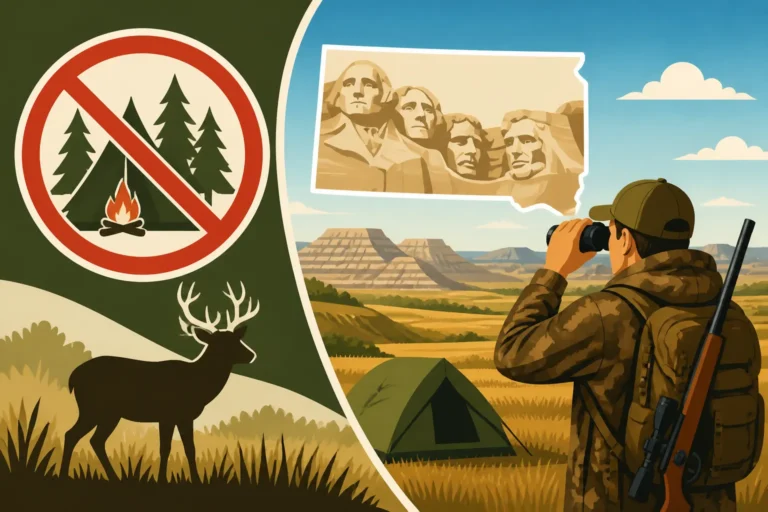
One of the biggest pitfalls for hunters on national wildlife refuges is inadvertently crossing into a closed area or private property. Refuge boundaries, especially those bordering private land, can sometimes be subtle or poorly marked. This is where your pre-scouting and a GPS-enabled mapping app truly shine. Always know where you are and where the boundaries lie. Closed areas are often critical sanctuaries for wildlife and are strictly enforced. Violating these can result in severe penalties. Pay close attention to signs, fencing, and any natural landmarks that delineate open versus closed zones. When planning your access routes, also consider the principles of Access Routes That Do Not Blow Out Birds, particularly near high-traffic areas.
Safety Considerations and Etiquette
Hunting in a popular public area like Sand Lake means you'll likely encounter other hunters, birdwatchers, and other outdoor enthusiasts. Safety and etiquette are paramount. Always wear appropriate blaze orange if required (for upland game hunting, it generally is). Be aware of your surroundings, know your target and what's beyond it, and communicate with other hunting parties. Retrieve downed game quickly and efficiently. If you're walking through thick cover, consider wearing durable boots suitable for long treks and wet conditions, like those discussed in Boots for Walking Cattails All Day. Being courteous and respectful not only ensures a positive experience for everyone but also helps maintain hunting as a compatible use on these valuable public lands. Remember, a good reputation for hunters helps keep these areas open for all of us.
Disclaimer
This article is for general informational purposes only and does not constitute professional advice. Laws, prices and regulations vary by location and change over time. Consult a qualified professional for guidance on your specific situation.