Losing South Dakota Points After You Draw
It can be incredibly frustrating to spend years diligently building up points for a coveted South Dakota big game tag, only to feel like you're back at square one once you finally draw. Many hunters worry that all their hard-earned progress vanishes the moment they succeed, leaving them with no idea how to approach future applications. This guide will walk you through exactly what happens to your South Dakota preference and bonus points after you draw a tag, helping you understand the system and plan your next move with confidence.
Understanding South Dakota's Hybrid Point System
Before diving into what happens after a draw, it's absolutely essential to understand the unique hybrid point system South Dakota employs. Unlike some states that use a purely preference or purely bonus system, South Dakota blends both, which can be a source of confusion for new and even experienced applicants. This dual system is designed to reward loyalty and persistence while also providing some degree of randomness to ensure fair access over time.
The Preference Point Advantage
South Dakota utilizes preference points for specific draws, primarily for nonresident deer licenses. The beauty of a preference point system is its straightforward nature: the more points you have, the better your chances of drawing a tag. In a purely preference system, the applicant with the most points always draws first, then the next highest, and so on, until all tags are allocated. South Dakota applies this concept to its nonresident West River deer draw, for instance, where points often dictate success. This predictability is what makes preference points so valuable, as they provide a clear path to drawing a tag if you're patient enough to accumulate them.
However, it's not quite as simple as "highest points wins" in every scenario, and this is where the hybrid nature comes into play. For the specific units where preference points are used, they essentially give you a higher priority. Imagine a queue where people with more preference points get to jump closer to the front. You're building up an advantage that, over time, almost guarantees a tag in most units. But the critical distinction is how these points behave after you've had your turn at the front of the line.
The Bonus Point Multiplier
In addition to preference points for certain deer tags, South Dakota also uses a bonus point system for other highly sought-after species like antelope and elk. The bonus point system works quite differently from preference points. Instead of directly moving you up a queue, bonus points give you more "chances" in a random draw. For every bonus point you have, you get an additional entry into the drawing. So, if you have 5 bonus points, you'll have 6 entries in the draw (your initial application plus 5 bonus entries). This significantly increases your odds without guaranteeing a tag, introducing a welcome element of chance for everyone.
The "cubing" aspect of South Dakota's bonus points adds another layer of complexity and advantage. After accumulating a certain number of bonus points, your entries are cubed, meaning your advantage grows exponentially. For example, once you hit three consecutive years of applying for a bonus point tag and are unsuccessful, your entries might be cubed (e.g., if you have 3 points, you get 3x3x3 = 27 entries, plus your initial application entry). This can drastically improve your odds over time, rewarding consistent effort even if you haven't drawn in a while. Understanding how these systems differ, especially how South Dakota's Hybrid Preference and Bonus Points operate, is key to navigating the draw.
How Drawing a Tag Affects Your Points
This is the million-dollar question for many hunters. You've put in the time, you've been loyal to the system, and finally, that "successful" email lands in your inbox. Naturally, your mind immediately jumps to, "What now? Did I just wipe out years of effort?" The answer depends entirely on whether you drew a tag that utilized preference points or bonus points. South Dakota’s system is designed to manage future access, so it handles each point type distinctly.
Resetting Preference Points
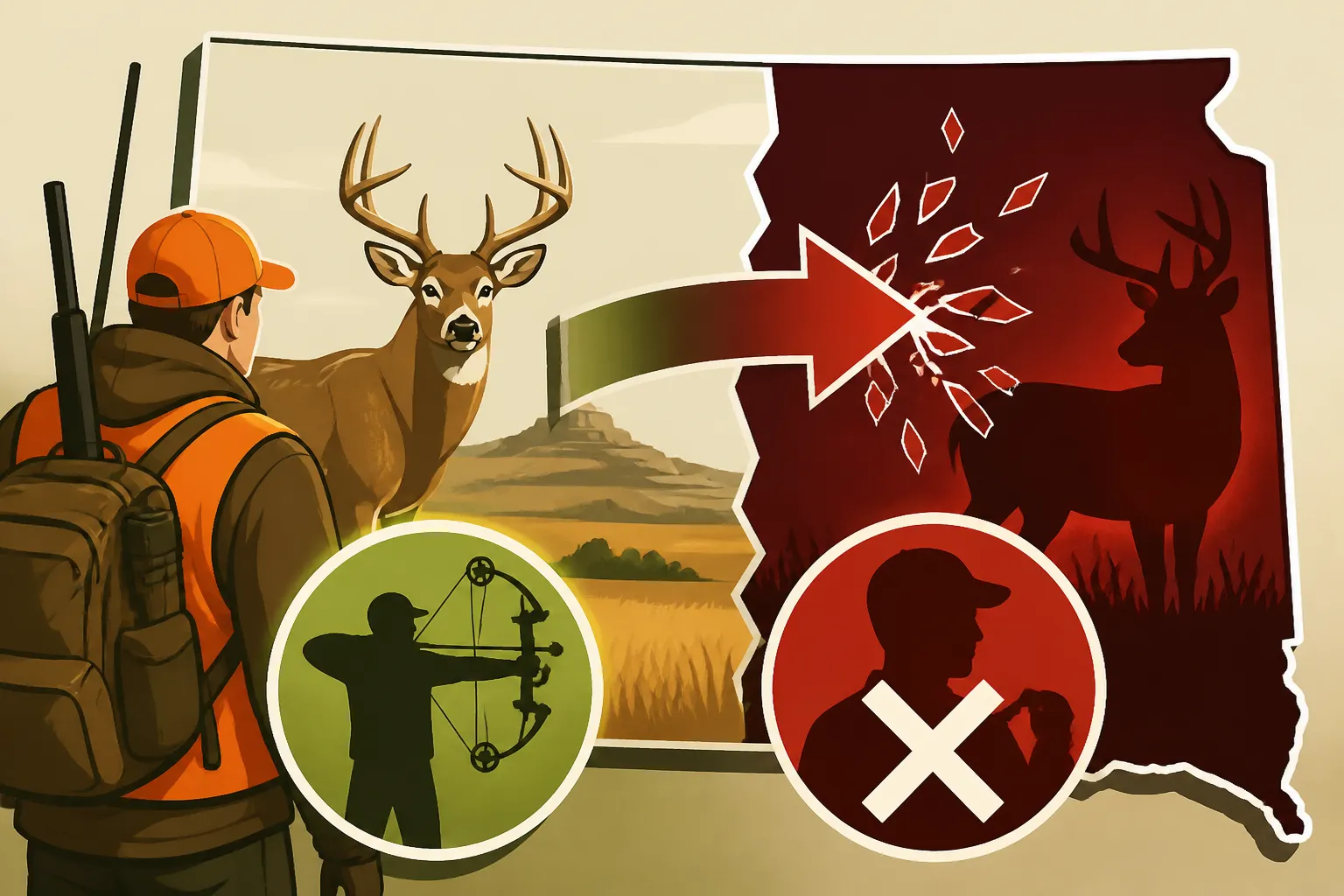
If you draw a big game tag that was allocated using the preference point system (like many nonresident deer tags), your preference points for that specific species and license type are indeed reset to zero. This is a crucial detail and often the source of most hunter frustration. It means that once you've successfully used your accumulated preference points to draw a tag, you essentially go back to the beginning of that specific "preference point queue."
For example, if you've been building up points for a nonresident West River deer tag for five years, and you successfully draw, those five preference points are gone. Your next application for the same type of tag will start you over with zero preference points. This system ensures that hunters who haven't drawn yet eventually get their turn, preventing perpetual point accumulation by a few individuals. While it can feel like a setback, it's the nature of a true preference system designed to cycle hunters through the drawing process. It's a clear trade-off: you got your tag, now it's someone else's turn at the front.
Impact on Bonus Points for Future Draws
The good news for hunters playing the bonus point game is that drawing a tag does not automatically zero out your bonus points. This is a significant difference compared to preference points and is a critical aspect of how the South Dakota draw system works. When you draw a tag through the bonus point lottery (e.g., for antelope or elk), your accumulated bonus points for that species are simply converted into "zero points" for the next year's application cycle for that same tag type.
What does this mean in practice? Let's say you've been accumulating bonus points for a South Dakota Antelope Season and Draw for seven years, and you finally draw a buck tag. When you apply for antelope again next year, you won't have the cumulative 7 bonus points; you'll effectively start that new application with zero new points. However, the system often has a mechanism where you continue to earn a "bonus point" for each year you apply unsuccessfully. So, while your big accumulation isn't lost, it essentially pauses and you start earning new points from scratch after drawing. This system maintains some long-term advantage while still allowing others to catch up in the random draw. For those wondering, "When South Dakota Points Switch to Bonus," this dynamic is particularly relevant as it influences long-term strategy.
Specific Scenarios for Different Species
The rules about point loss can vary slightly depending on the species and the specific license type you apply for. It's not a one-size-fits-all situation across all of South Dakota's diverse big game draws.
- Deer: For nonresident deer, especially West River units, preference points are generally reset upon drawing. If you drew one of the South Dakota Deer Licence Types by Region with preference points, expect them to reset. However, if you apply for an antlerless deer tag or certain East River deer tags which might involve a bonus point system or a general lottery, the rules could differ. Always check the current year's hunting handbook for the specific tag you're targeting.
- Antelope: For antelope, as mentioned, drawing a tag often converts your current bonus points to zero for the next application cycle, but doesn't wipe out your history of earning bonus points entirely. You essentially restart the accumulation process. So, if you manage to draw a pronghorn tag, you still have a historical advantage over someone just starting, but your immediate "multiplier" resets.
- Elk: Similar to antelope, South Dakota Elk Draw and Units typically utilize a bonus point system. Drawing an elk tag will reset your effective bonus point count to zero for the subsequent draw, meaning you start earning new points from the baseline. Given the extreme difficulty in drawing some of these coveted tags, this system ensures that even if you hit the jackpot once, you won't continually dominate the draw every few years without others getting a chance. This structure helps manage expectations and makes every drawn tag feel truly special.
Strategic Considerations for Future Applications
Drawing a tag in South Dakota is a fantastic accomplishment, but it's also a pivot point for your future hunting plans. Understanding how your points are affected should lead you to re-evaluate your strategy for the upcoming seasons. Don't just reapply out of habit; take the time to consider your new standing and long-term goals.
Rebuilding Your Point Portfolio
If your preference points were reset, you're back to square one for that specific license type. This is the perfect time to decide if you want to start rebuilding those points immediately. Do you want to try to draw that same tag again in another 5-7 years, or is it time to explore other options? You can always choose to apply for a point-only purchase during the South Dakota Point-Only Purchase Period without applying for a tag. This allows you to accumulate points for the future without committing to a specific hunt for the current year, which is a smart move if you're not planning a hunt or don't have enough points for your desired unit.
For bonus point species like antelope or elk, while your previous accumulation is "zeroed out" for immediate draw odds, you still want to consistently apply to earn a new bonus point each year. This means continuing to apply for the tag or purchasing a bonus point if that option is available for the specific species. The key is consistency. Missing a year might mean losing out on that next bonus point, which can slow down your return to competitive draw odds. Many hunters use resources like GoHunt to track their point totals and strategize when to apply for a point-only versus a tag, ensuring they're always moving forward.
Using Data to Plan Your Next Move
Drawing a tag is a great reminder that the system works, eventually! Now, it's time to leverage available data to plan your next hunting adventure. After a point reset, you'll want to look at current draw odds for various units and species. Consider:
- Difficulty of Draw: Did you draw an easy unit or a hard one? If you spent many years building points for a difficult unit, you might want to switch to an easier-to-draw unit while you rebuild points for the tougher tags.
- Time Horizon: How many years are you willing to wait until your next draw? If you want to hunt sooner, look for tags with lower point requirements or higher draw odds. Resources like GoHunt provide invaluable insights into historical draw odds and required points for various South Dakota big game draws.
- Species Diversification: Perhaps now is the time to start building points for a different species. If you just drew a West River mule deer tag, maybe start accumulating points for antelope or even consider applying for prairie elk if those interest you. You can only draw one specific type of big game tag in a year, but you can build points for multiple species concurrently. Knowing How Many Points to Draw West River Deer or How Many Points to Draw a Black Hills Tag can inform these decisions.
Here's a quick reference table to help visualize the point situation:
| Point Type | System Overview | Impact After Drawing a Tag | Next Year's Strategy |
|---|---|---|---|
| Preference | Direct priority; highest points draw first (e.g., Nonresident Deer) | Resets to 0 for that specific license type | Start accumulating points again (apply or buy point-only) |
| Bonus | Multiple entries in a random draw (e.g., Antelope, Elk) | Effectively resets to 0 for the next draw's calculation | Continue applying annually to earn a new bonus point |
Common Misconceptions and FAQs
The South Dakota point system can be a maze, and it's easy to fall prey to common misunderstandings, especially regarding what happens after a successful draw. Let's clear up some of the most frequent questions and dispel some myths.
What if I Don't Use My Tag?
This is a scenario many hunters dread, especially if unforeseen circumstances prevent them from going on their planned hunt. If you successfully draw a South Dakota tag but are unable to use it, the impact on your points is generally the same as if you had hunted. For preference points, they will still be reset to zero. For bonus points, your count for the next draw will still reset to zero. The act of drawing the tag, not the act of hunting with it, is what triggers the point reset mechanism.
This policy is in place to ensure fairness to other applicants. The tag was allocated based on your point accumulation, preventing someone else from drawing it. While it's unfortunate if you can't go, the system treats it as if you utilized your draw opportunity. Some states offer options to surrender a tag and get points reinstated, but this is generally not the case in South Dakota's primary big game draws. It underscores the importance of being absolutely sure you can commit to a hunt before applying, especially for highly sought-after tags. Always be sure to check the South Dakota Draw Results Dates to plan accordingly and avoid this situation if possible.
Can I Still Buy a Point If I Draw?
This is another common question, particularly for hunters who want to maintain progress for other species. Generally, yes, you can still buy a point for a different species or license type even if you successfully drew and hunted a different tag in the same year. For example, if you drew a nonresident deer tag and your preference points reset, you could still apply for or purchase a bonus point for antelope or elk during the designated application period, assuming you meet all other eligibility requirements.
South Dakota's point system is largely species-specific. Drawing a deer tag doesn't typically prevent you from continuing to accumulate points for an elk or antelope tag, as long as those points are managed under separate systems. This flexibility allows dedicated hunters to pursue multiple big game opportunities in the long run. Just be diligent about the South Dakota Draw Application Deadlines for each species to ensure you don't miss the window to apply for a tag or purchase that crucial point-only option. It’s important to understand the regulations around purchasing a South Dakota Preference Point for Nonresidents or residents if you are going this route.
Disclaimer
Please remember that hunting regulations, license costs, and point systems in South Dakota can change annually. Always consult the official South Dakota Game, Fish and Parks (GFP) website or the current year's hunting handbook for the most accurate and up-to-date information before applying for any licenses or points. This guide provides general information and strategic advice based on current understanding.