Habitat Work on South Dakota Public Land
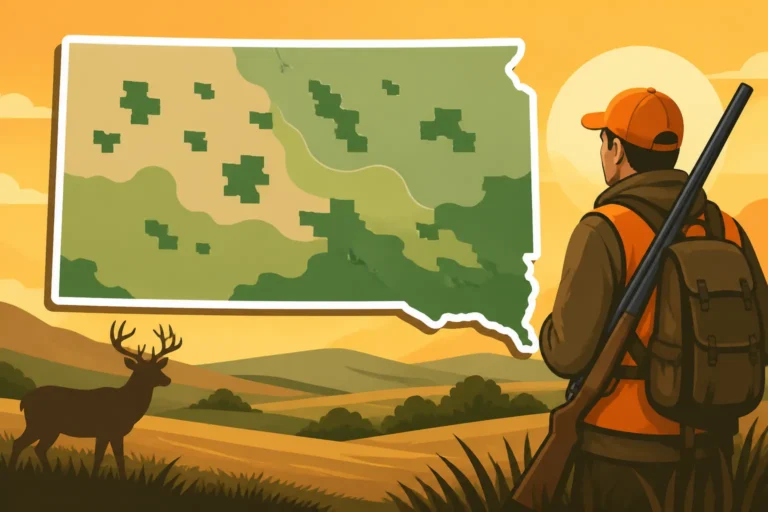
It's a common frustration when you pull up to a promising-looking piece of public hunting land in South Dakota, only to find it's a sea of short grass or an impenetrable tangle that doesn't seem to hold any game. Many hunters wonder what goes into making these areas more productive, or why some public spots feel so much more vibrant than others. This guide is all about shedding light on the crucial habitat work happening on South Dakota's public lands, explaining what it entails, how it benefits you as a hunter, and how you can play a part in enhancing these vital wild spaces.
Understanding Habitat Work on Public Lands
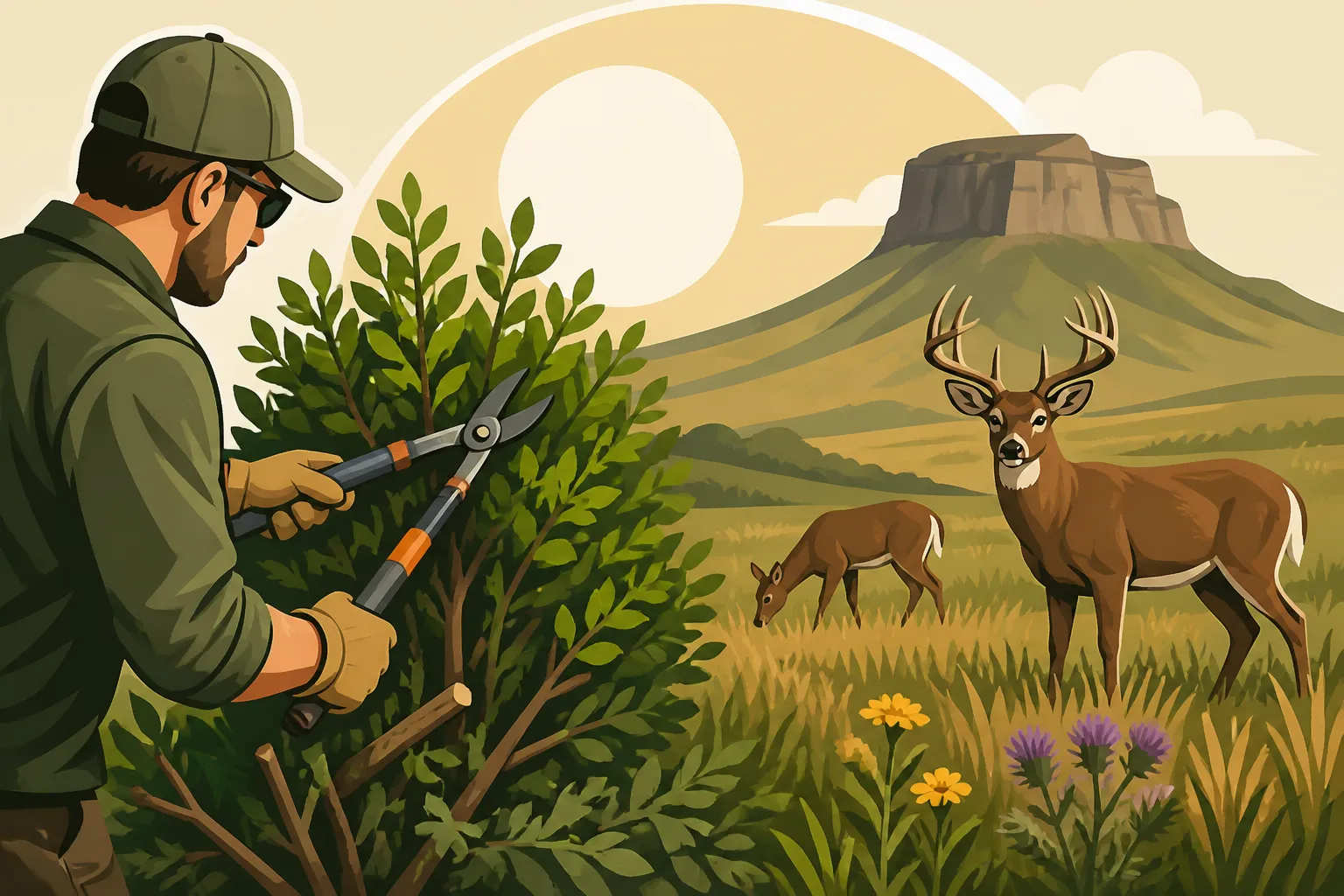
When we talk about "habitat work," we're really talking about active management strategies designed to improve the living conditions for wildlife. It's not just about letting nature take its course; often, human intervention, carefully planned and executed, is necessary to create and maintain the diverse ecosystems that game animals thrive in. On South Dakota's public hunting lands, this is a continuous, year-round effort.
What Constitutes "Habitat Work"?
Habitat work encompasses a wide range of activities, all with the goal of providing better food, water, cover, and space for game species. Think about what a pheasant needs: dense nesting cover in spring, food sources through fall and winter, and thick thermal cover to survive blizzards. Or a mule deer: browse, water, and secure bedding areas away from disturbance. Meeting these needs often requires more than just fencing off an area. It involves understanding ecological processes and applying sound management principles.
This work isn't always obvious to the casual observer. You might drive past a section of public land and see a field that looks a little different, or a patch of woods that seems recently thinned, without realizing the immense planning and effort that went into those changes. From subtle adjustments to dramatic overhauls, these projects are the backbone of vibrant wildlife populations on the lands we all get to enjoy.
Why Active Management is Essential
Some folks might wonder why we can't just leave wild spaces completely untouched. While "wild" is certainly a goal, many landscapes, particularly those that have been heavily modified by agriculture or other human activities, benefit immensely from active management. For instance, without prescribed burns, many prairie grasslands would become choked with invasive species or dense, undesirable woody growth, reducing their value for prairie grouse or pheasants. Similarly, historical grazing practices often removed much of the diverse native vegetation, which now needs careful reintroduction and nurturing.
The reality of wildlife management on public land, especially in a state like South Dakota with such diverse hunting opportunities, is that it's a constant balancing act. It's about maximizing the potential of a given piece of ground to support healthy game populations, while also considering other environmental factors like soil health, water quality, and biodiversity. It's a testament to dedicated professionals and volunteers who understand that a truly wild and productive landscape often requires a helping hand.
Common Types of Habitat Projects You'll Encounter
Public lands in South Dakota host a variety of habitat projects, each tailored to the specific needs of local wildlife and the characteristics of the land. When you're Scouting South Dakota Public Ground Before the Season, knowing what kind of habitat work has been done can give you a significant advantage in predicting where game might be.
Enhancing Food and Water Sources
Food and water are the most basic requirements for any animal, and public land managers go to great lengths to ensure these are available.
Food Plots and Supplemental Forage
You might be surprised to find food plots not just on private ground, but on some public hunting areas too. These aren't always traditional corn fields; they can often be small, strategic plantings of sorghum, millet, sunflowers, or even alfalfa. These plots provide critical energy for pheasants, deer, and other species, especially during the harsh late season. On Game Production Areas, you'll sometimes see specific crops planted precisely for this purpose. Food Plots on Game Production Areas are designed to draw and hold game, making those areas much more attractive to hunters.
Beyond planted crops, habitat work often involves improving native forage. This could mean selective grazing or mowing to stimulate new growth of desirable grasses and forbs, or even planting native species that provide excellent browse for deer and antelope. Understanding these subtle interventions helps you appreciate why certain areas hold more game, even if you can't see a "food plot" in the traditional sense.
Developing Water Sources
Water can be a limiting factor, especially in the drier parts of West River country. Habitat projects address this by developing or enhancing water sources. This might include creating small dugouts or ponds, installing "guzzlers" – structures designed to collect rainwater for wildlife – or restoring natural seeps and springs. For species like pronghorn antelope, reliable water is essential. Knowing where water sources are located, even on an onX Hunt map, can be critical for planning your approach, especially during dry spells when game is concentrated around those precious few spots.
Creating and Maintaining Effective Cover
Cover is just as vital as food and water, offering protection from predators and the elements. South Dakota's diverse landscape means a variety of cover types are needed, from dense winter thermal cover to nesting habitat.
Tree Plantings and Shelterbelts
One of the most visible forms of habitat work is the planting of trees and shrubs to create shelterbelts or expand existing woody cover. These linear plantings, often seen on the edges of fields or along property lines, provide invaluable winter cover for pheasants, especially when deep snow hits. They also offer important browse and bedding cover for deer. The species chosen are usually hardy, native varieties that can withstand prairie conditions and provide year-round benefit. These shelterbelts become crucial holding areas for pheasants, particularly Late-Season South Dakota Pheasants in Heavy Cover.
Grassland Restoration and Management
The vast grasslands of South Dakota are themselves a critical habitat, especially for pheasants and prairie grouse. Habitat work here involves ensuring a healthy mix of native grasses and forbs, often by using controlled burns, rotational grazing, or targeted herbicide application to remove undesirable species. Prescribed burns, in particular, are powerful tools. They mimic natural fire cycles, preventing woody encroachment, improving forage quality, and stimulating new growth, which is vital for nesting cover and insect production for young birds. You'll find that lands with diverse grasses, including taller, thicker stands for winter, like Cattail Sloughs as Winter Cover, are much more productive.
Wetlands and Aquatic Habitat Improvement
Waterfowl and many other species rely heavily on healthy wetlands. South Dakota's East River pothole country is legendary for its duck production, and ongoing habitat work is key to keeping it that way.
Restoring Prairie Potholes and Marshes
Many historic prairie potholes were drained for agriculture. Habitat projects actively work to restore these wetlands by plugging drainage tiles, building berms, or excavating shallow depressions to hold water. These restored potholes become magnets for ducks, geese, and a host of other wetland species, providing critical breeding grounds and migratory staging areas. Waterfowl Hunting the South Dakota Prairie often depends on the success of these ongoing restoration efforts.
Managing Riparian Areas
Along rivers and streams, "riparian" areas—the land directly bordering the water—are incredibly productive. Habitat work here focuses on managing vegetation to stabilize banks, provide cover, and improve water quality. This might involve planting native trees and shrubs, or managing grazing to prevent degradation. Healthy riparian zones are crucial corridors for deer, turkeys, and countless other species, impacting everything from South Dakota Whitetail Hunting in River Bottoms to the health of aquatic insects that feed fish and birds.
How Habitat Work Benefits Hunters
It's easy to see the direct benefits of habitat work: more game, healthier animals, and more robust ecosystems. For hunters, these benefits translate into tangible improvements in their experience.
Increased Game Populations
This is perhaps the most obvious benefit. When an area provides ample food, water, and cover, wildlife populations naturally flourish. Better nesting success for pheasants means more birds in the fall. More secure bedding areas and browse for deer lead to higher fawn survival and healthier bucks. This directly impacts your chances of success and the overall quality of the hunting experience. Imagine pulling into a South Dakota Game Production Area that has undergone extensive habitat work and seeing healthy, thriving game animals, a direct result of that dedicated effort.
Improved Hunting Opportunities and Access
Well-managed habitat can also improve how and where you can hunt. Strategically placed food plots can concentrate game, making it easier to locate animals. Diverse cover, like a mix of tall grass and woody draws, allows for varied hunting tactics, whether you're pushing a cattail slough or stalking a coulee. Furthermore, improved access roads and parking areas, often part of public land management, make it easier for hunters to reach these productive spots. Tools like GoHunt sometimes provide data on specific units or areas, which can indirectly reflect the quality of habitat and recent management efforts.
Consider an area where new shelterbelts have been planted. Not only will these hold more birds, but they might also create natural funnel points or blocking positions that make for more effective pheasant drives. Habitat improvements often open up new possibilities for hunters to explore and enjoy.
| Habitat Type | Primary Game Benefitted | Hunter Benefit | Example Project |
|---|---|---|---|
| Food Plots / Forage | Pheasant, Deer, Turkey | Concentrates game, increases animal health | Planting sorghum, native browse restoration |
| Water Sources | Pronghorn, Deer, Elk | Critical in dry areas, draws game to specific spots | Guzzler installation, pond excavation |
| Shelterbelts / Woody Cover | Pheasant, Deer, Turkey | Winter cover, thermal protection, bedding | Planting cedar rows, shrub thickets |
| Grassland Diversity | Pheasant, Grouse, Deer | Nesting habitat, bugging areas, winter security | Prescribed burns, rotational grazing |
| Wetland Restoration | Waterfowl, Pheasant | Breeding grounds, migratory stops, winter cover | Plugging drainage tiles, creating shallow ponds |
| Riparian Areas | Deer, Turkey, Waterfowl | Travel corridors, water access, diverse vegetation | Bank stabilization, native tree planting |
Healthier Ecosystems Overall
Beyond individual game species, habitat work contributes to the overall health of the ecosystem. Diverse plant communities support a wider array of insects, which are crucial food sources for young birds. Improved water quality benefits everything from fish to amphibians. When you're hunting in a well-managed area, you're not just seeing game; you're experiencing a thriving, balanced natural system. This holistic approach ensures that South Dakota's wild places remain vibrant and productive for generations to come.
How You Can Support Habitat Efforts
It’s easy to feel like habitat work is something done to the land, by others. But as hunters and outdoor enthusiasts, we have a vital role to play in supporting and advocating for these critical efforts. Our contributions, whether financial or through direct action, make a real difference.
Financial Contributions Through Licenses and Stamps
Every time you purchase a hunting license or a habitat stamp in South Dakota, a portion of that money goes directly towards funding habitat improvement projects. The South Dakota Habitat Stamp Price is specifically designed to generate funds for these vital programs, ensuring that public lands have the resources needed for maintenance and enhancement. This is one of the most direct and impactful ways hunters financially support the very resource they enjoy.
It’s not just about compliance; it's about investment. When you buy your South Dakota Nonresident Hunting Licence Cost or even your annual resident tag, you’re directly contributing to the work that makes our state such a premier hunting destination. These funds are carefully managed to ensure they're put to the best possible use, from restoring wetlands to planting shelterbelts.
Volunteering and Partnerships
Many state and federal agencies, as well as conservation organizations, rely on volunteers to help with habitat projects. This could involve planting trees, building fences, maintaining guzzlers, or helping with prescribed burns. Organizations like Pheasants Forever, Ducks Unlimited, and the National Wild Turkey Federation often organize local work days, providing a hands-on opportunity to give back. You don't need to be an expert; enthusiasm and a willingness to work are usually all that's required.
Participating in these events isn't just about the physical labor; it's also a chance to learn, meet like-minded individuals, and gain a deeper understanding of the ecological processes at play. It's incredibly rewarding to hunt an area where you've personally invested time and effort in improving the habitat. Check with your local Game, Fish and Parks office or conservation groups to see what opportunities are available in your area.
Advocating for Sound Wildlife Management
Finally, one of the most powerful ways you can support habitat work is by becoming an informed advocate. Stay up-to-date on proposed changes to wildlife management policies, participate in public comment periods, and share your perspective with elected officials and wildlife agencies. Organizations like the South Dakota Wildlife Federation often champion habitat causes and offer ways for members to get involved.
Use resources like the South Dakota Hunting Handbook Release to understand the current rules and regulations, and follow discussions around proposals for new habitat initiatives or land acquisitions. Tools like onX Hunt and GoHunt aren't just for finding game; they can also help you visualize and understand different land types and how habitat projects might impact them. By lending your voice, you help ensure that habitat work remains a priority and that future generations will have abundant wildlife and quality hunting opportunities on our public lands.
Disclaimer
This article is for general informational purposes only and does not constitute professional advice. Laws, prices and regulations vary by location and change over time. Consult a qualified professional for guidance on your specific situation.